

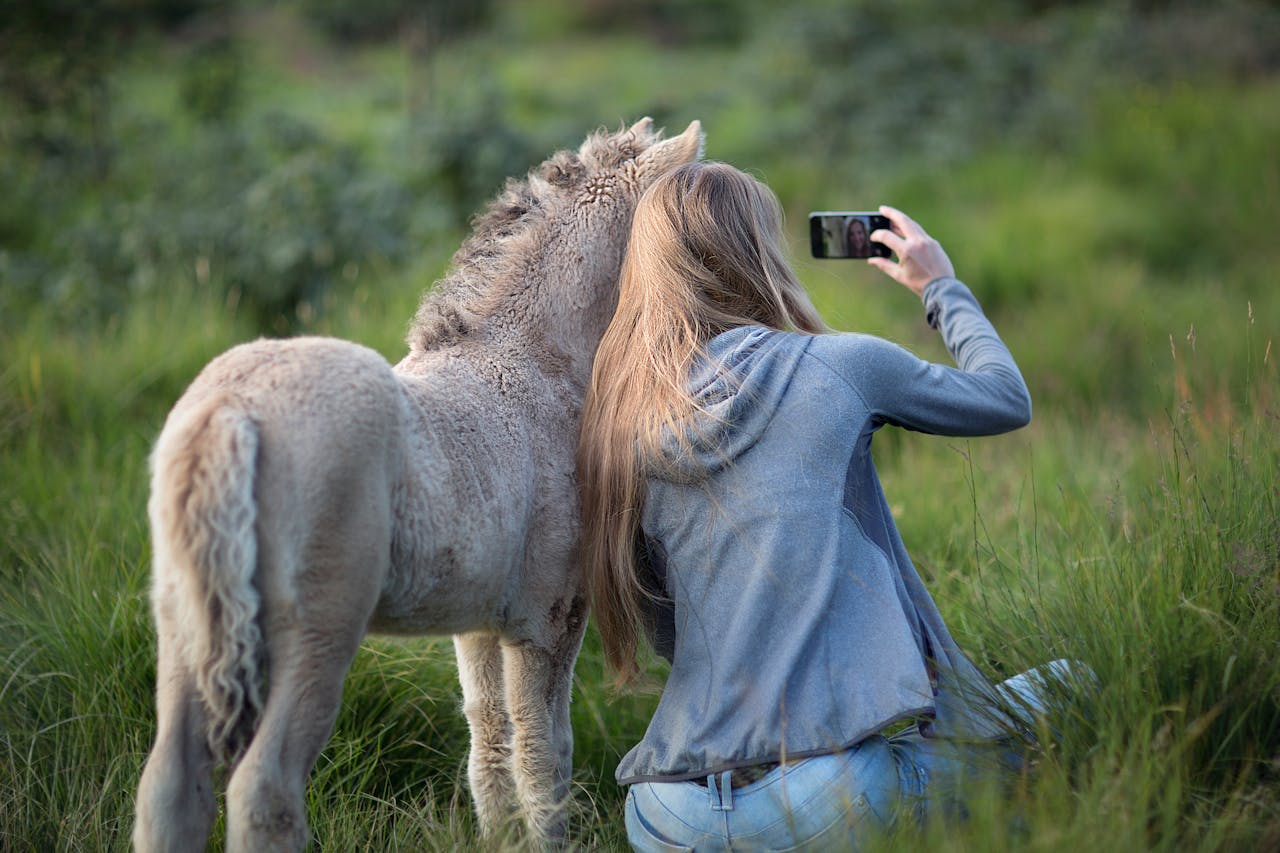
Wildlife selfies used to look like harmless travel bragging, but they quietly became a real economy. Tour operators sold close-encounter packages, creators built pages around animal proximity, and destinations used those images as marketing fuel. Brands followed attention, and attention rewarded risky framing. The result was predictable: the closer the shot, the better it performed.
Now the model is colliding with rules that carry real penalties, not just polite guidance. Protected-area managers, marine regulators, and wildlife agencies are tightening distance requirements, defining harassment more clearly, and enforcing violations with fines or criminal citations in ways travelers can no longer ignore. What looked like a content trend is becoming a compliance problem across parks, coastlines, and high-demand wildlife destinations.
The Old Incentive System Rewarded Being Too Close
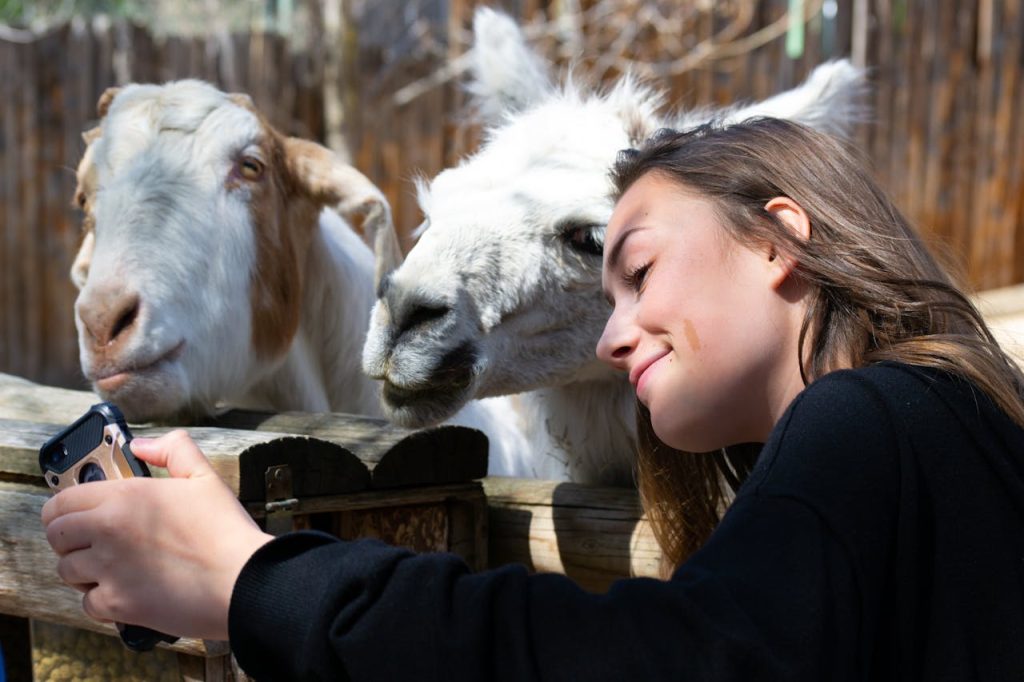
The original incentive system was simple and brutal. A distant, respectful wildlife photo rarely outperformed an image that looked intimate and daring. So the market kept pushing toward proximity, even when guides knew better and local managers warned against it. In attention markets, risk is often mispriced until a hard rule changes behavior.
That hard rule is now arriving in many places at once. Agencies are no longer relying on etiquette language alone, and operators are facing stricter exposure when a guest crosses a legal line. Once penalties are visible and public, the economics change fast: one viral moment can convert into a citation, a court date, or a damaged business reputation.
National Parks Are Treating Distance as a Legal Boundary
Across U.S. parks, the baseline expectation is not ambiguous: keep significant distance from wildlife, and more distance from top predators. NPS guidance commonly cites a minimum of 25 yards from most wildlife and 100 yards from bears and wolves, with park-specific variations. Yellowstone mirrors that structure and explicitly states it is illegal to remain near wildlife at any distance that disturbs or displaces the animal. This turns space into a legal boundary, not just a safety suggestion.
In practice, that means the moment animal behavior changes because of human presence, the legal risk rises. It does not require dramatic contact to trigger enforcement.
Federal park regulations also prohibit feeding, touching, teasing, frightening, or intentionally disturbing wildlife. That language matters because it captures the full behavior stack behind many selfie incidents, including conduct people often dismiss as minor. Penalties route through federal criminal provisions tied to park regulations, so violations can become more than a warning. The legal framework is already in place, and managers are using it.
Yellowstone incident reporting has shown how this plays out publicly, including cases where visitors were cited after approaching bison too closely. Park notices have also stated that each cited violation can carry fines up to $5,000 and six months in jail.
Marine Wildlife Rules Are Even More Explicit
The marine side is moving with the same logic, but often with tighter operational detail. In Hawaii, NOAA’s rule prohibits swimming with, approaching, or remaining within 50 yards of Hawaiian spinner dolphins, including interception behavior such as leapfrogging. The regulation applies to people, vessels, and objects, and it covers designated nearshore waters where encounter pressure is highest. This is not advisory language. It is enforceable law.
Under the Marine Mammal Protection Act, harassment includes acts that can injure or disrupt core behaviors like feeding, breeding, or sheltering. NOAA viewing guidance also sets clear distance norms for whales and other marine mammals, with species-specific federal requirements that can exceed baseline recommendations. The legal and practical message is aligned: if the encounter alters behavior, the operator and guest may both be exposed. The photo may last forever, but so can the enforcement record.
The Arctic Just Raised the Bar Too
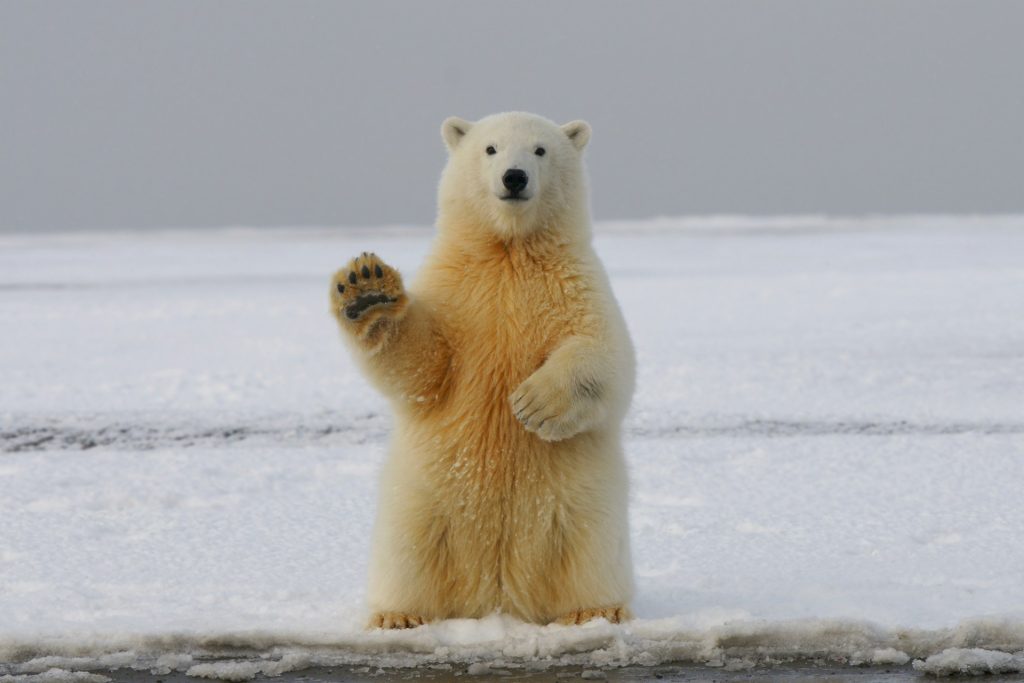
Svalbard tightened protections through regulations that entered into force on January 1, 2025. Authorities there prohibit unnecessary disturbance, attraction, or pursuit of polar bears, while introducing mandatory stand-off distances. The rule requires at least 300 meters, and 500 meters from March 1 through June 30. That is a major shift for expedition-style wildlife photography norms.
The duty to retreat is just as important as the distance rule itself. If a bear is discovered at close range, people must move away to regain legal distance.
For operators, this changes route design, guest briefing, lens planning, and timing windows. For creators, it changes the product: fewer tight shots, more behavior-at-distance storytelling, and heavier dependence on long focal lengths. In pure business terms, the visual style that once drove clicks is being priced out by legal exposure. Markets adapt, but usually after margins are hit.
This is what a legal wall looks like in practice. It does not ban wildlife tourism; it rewrites how close contact can be monetized.
Drone-Driven Selfies Are Losing Ground on Refuges
Close-up wildlife content is no longer just about feet on the ground. Drones became the shortcut to dramatic framing, but refuges in the U.S. now state this clearly: launching, landing, or disturbing wildlife with uncrewed aircraft systems on national wildlife refuges is prohibited. That takes a large chunk of low-cost aerial wildlife selfie production off the table in exactly the places where wildlife sensitivity is highest.
This matters economically because drone content scaled fast and cheaply, especially for small operators and creators. Once those flights are unlawful in key protected areas, production costs rise and legal risk rises with them. The new advantage goes to compliant operators who can deliver distance-safe experiences without pretending the law is optional. In a tightening market, compliance becomes a product feature.
The Trade Side Is Tightening the Back End
The selfie economy also touches captive wildlife supply chains, and that is where international trade law bites hard. CITES uses three appendices with different protection levels, and Appendix I species receive the strongest controls, with trade only in exceptional circumstances and not primarily for commercial use. Appendix II and III still regulate movement through permit systems, which means paperwork and traceability are not optional. That framework raises friction across the pipeline from acquisition to display.
For businesses built on exotic-animal encounter content, that is a structural challenge, not a temporary hassle. If sourcing is murky, legal risk compounds across borders and partners. If sourcing is lawful, operating costs rise because permits, documentation, and compliance checks are part of the model. Either way, the old easy-growth playbook gets harder to run at scale.
Injury Data Shows Why Enforcement Is Intensifying

Enforcement pressure is not coming out of nowhere. CDC reporting on Yellowstone incidents documented injuries where people approached bison at very close range for photos, including selfie behavior. Several cases required hospitalization, and officials tied incidents to failure to maintain required distance. Regulators see this pattern repeatedly, so stricter enforcement is a predictable response rather than a symbolic one.
Research on Yellowstone bison injuries also found strong group-behavior effects, including many incidents when groups of three or more approached animals. That matters for the selfie economy because social validation is often built in: once one person steps in close, others follow. The problem is not only individual judgment; it is crowd dynamics around attention-seeking behavior. Legal boundaries are increasingly designed to interrupt that chain reaction.
What this really means is simple. The market used to reward proximity first and responsibility second. Regulators are forcing the opposite order, and businesses that ignore that shift will keep absorbing avoidable risk.
The Next Phase Favors Compliant Storytelling, Not Proximity Stunts
Protected destinations are already showing the direction of travel. In the Galapagos system, visitors are expected to keep distance from wildlife and use authorized guides, which reframes the experience around observation rather than contact. That model supports conservation goals while still sustaining tourism value. It also leaves less room for impulsive, high-risk selfie behavior.
The winners in the next phase will be operators and creators who treat law as design input, not as a final disclaimer. Long-lens visuals, behavior-first narration, tighter guest briefings, and strict encounter protocols can still produce compelling content and strong margins. The wildlife selfie economy is not disappearing, but its old playbook is being regulated out of relevance. In more places, that transition has already begun.