

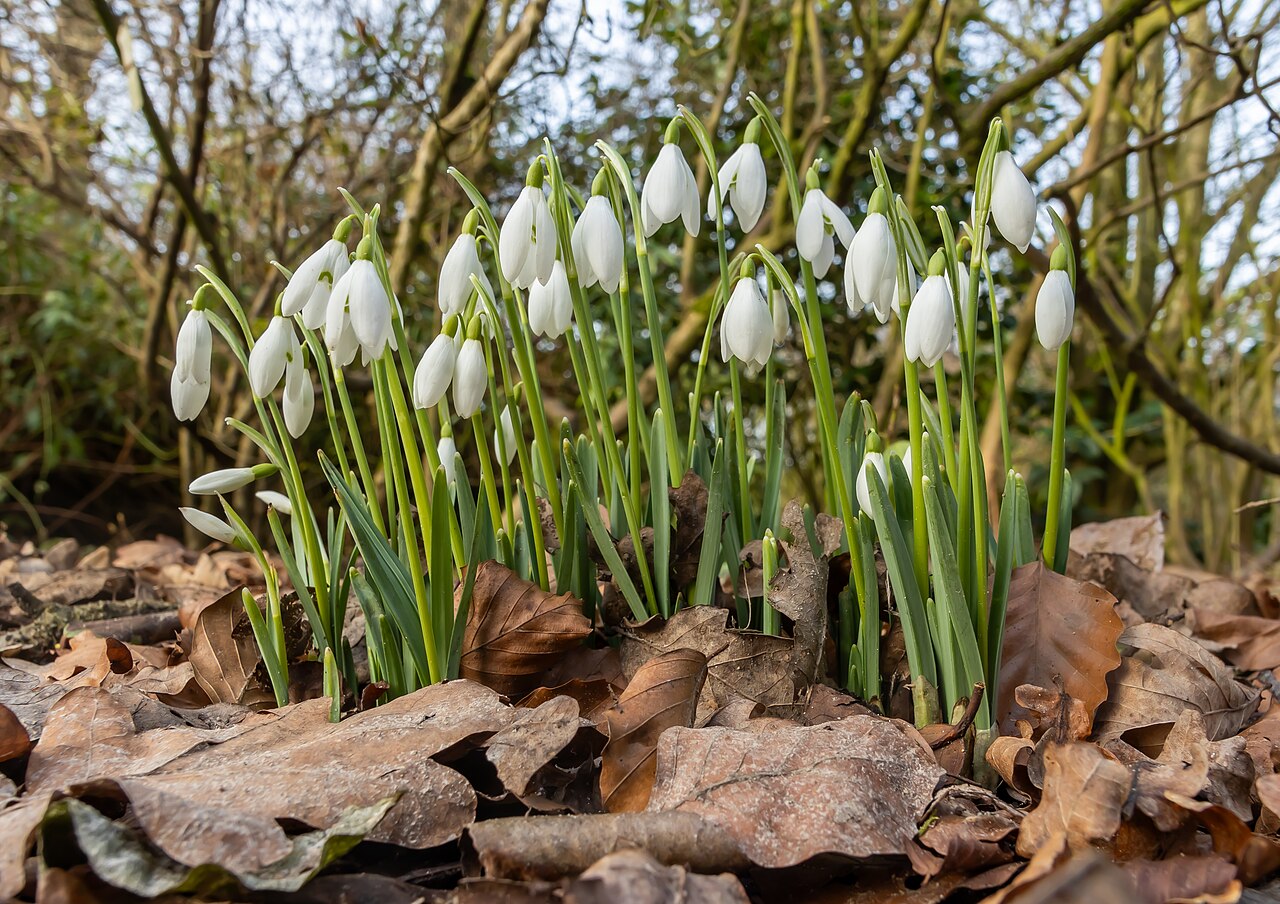
Winter does not have to mean a garden on pause. While most beds fade to twigs and mulch, a handful of flowers treats cold as a cue, not a threat. They open in weeks when skies stay gray and the yard seems stuck.
Success starts with simple realism: hardiness, light, and soil. Matching plants to the right USDA zone and reading nursery tags prevents wishful planting. Late-fall prep matters because roots need time to settle before the ground locks up.
With the right choices, winter becomes a season of small surprises: scent near a walkway, bright petals against frost, and color that holds steady until spring arrives.
Hellebores
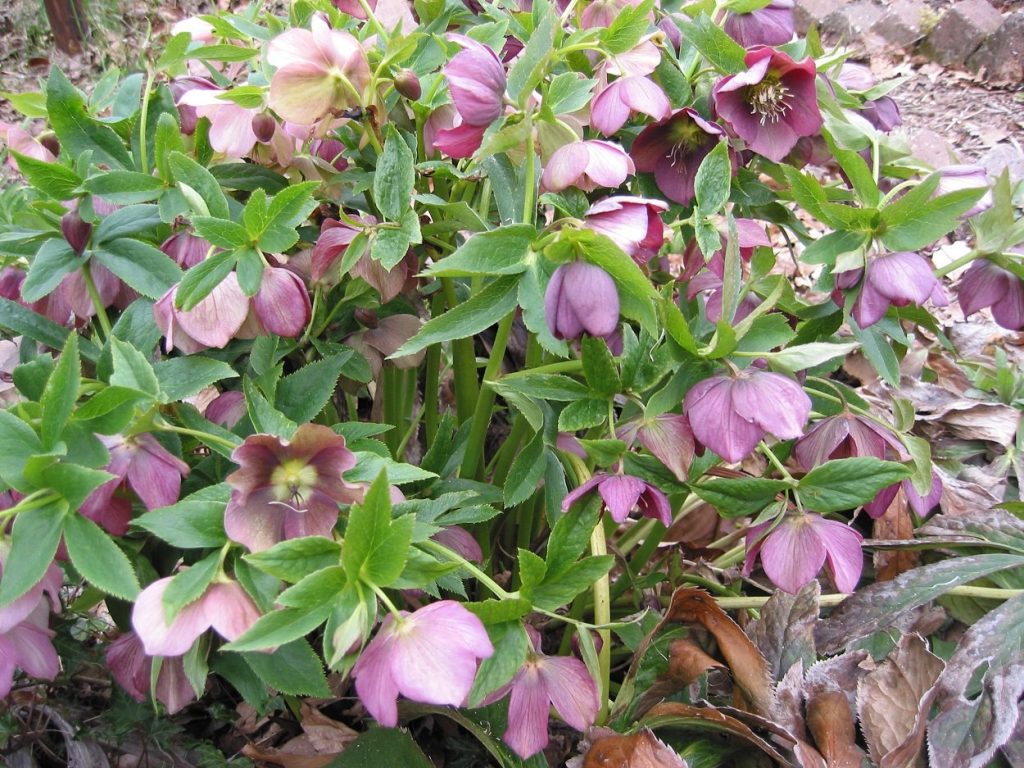
Hellebores bloom when most perennials are still asleep, often in mid-to-late winter depending on climate. Their nodding flowers look delicate, but the plants hold up through cold snaps, and the waxy green foliage stays handsome for months.
Often called Lenten roses because of their timing in some regions, hellebores bring muted pinks, whites, and deep wine tones to shady borders. They shine under bare tree limbs, where winter light can reach the buds.
Given rich, well-drained soil and a leaf-mulch blanket, they settle in and return reliably. The blossoms also last well in a vase, making hellebores one of winter’s best cut flowers.
Snowdrops
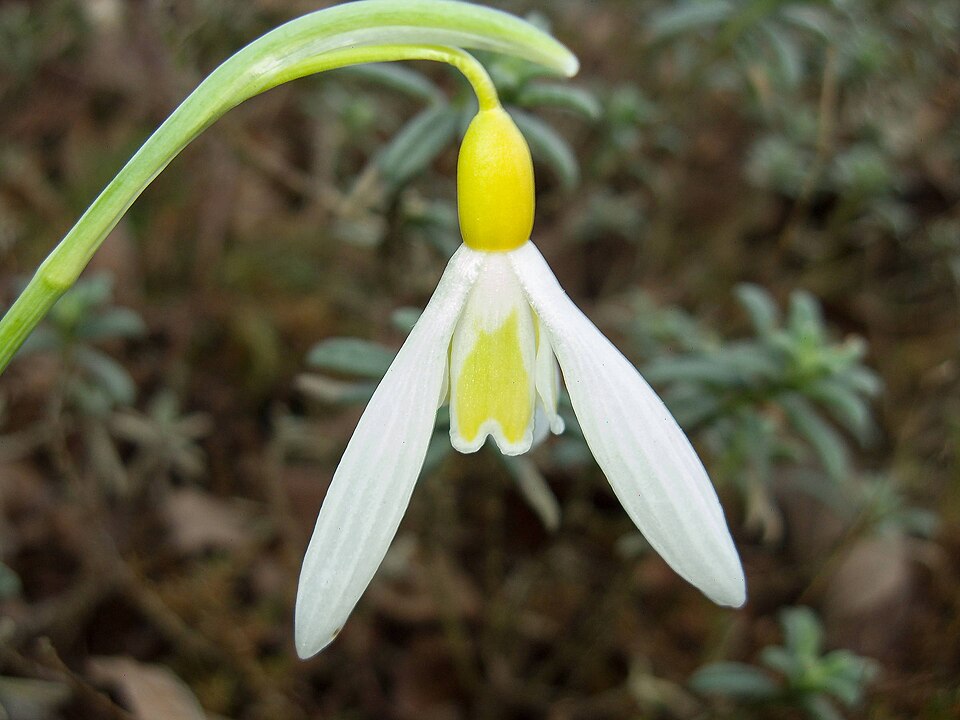
Snowdrops are famous for appearing while snow still lingers, their white bells bending like tiny lanterns over cold ground. Planted in fall, galanthus can start flowering before the garden feels ready.
In borders, they look best at the front edge, where short stems are not lost behind winter debris. Clusters tucked into rock gardens or beneath deciduous shrubs create a natural, drifting look. Along walkways, they reward looks.
Because the blooms arrive so early, the surrounding soil should stay evenly moist, not soggy. Once established, snowdrops spread into small colonies that brighten late winter, then linger into early spring.
Winter Aconite
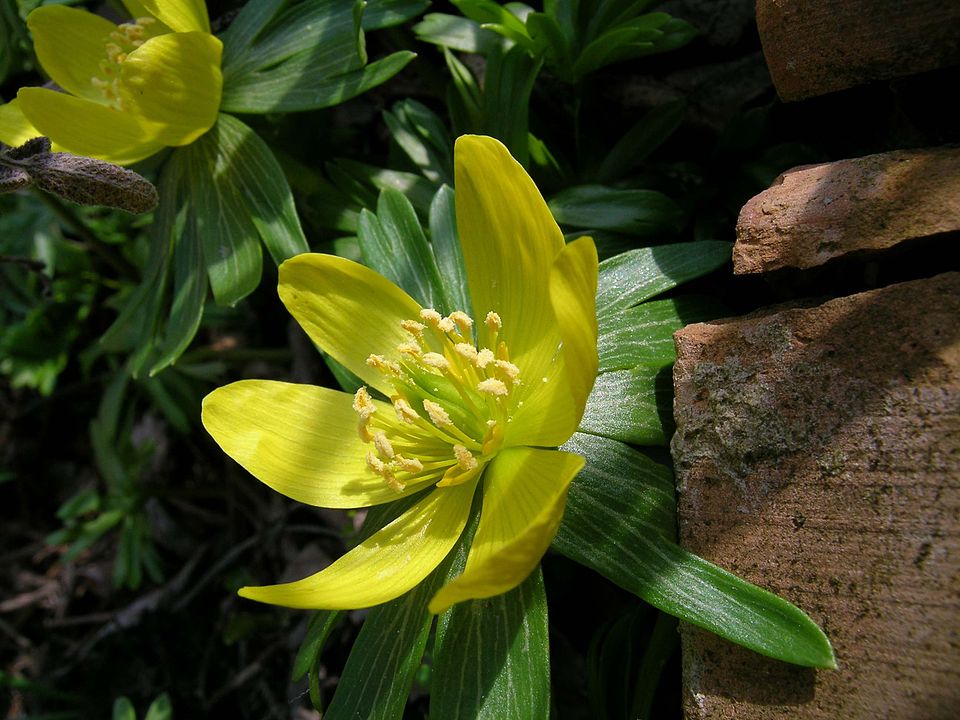
Winter aconite shows up when patience is running thin, pushing buttercup-yellow blooms through cold soil, sometimes right beside lingering snow. Those early flashes of color can help lure the first pollinators on mild days.
The plants stay small, so they work best in groups where the effect reads like scattered coins across the bed. They also tuck neatly under deciduous shrubs, where summer shade arrives after flowering.
Deer, rabbits, and digging rodents often ignore winter aconite, a rare gift for an early bulb. With fall planting and good drainage, it settles in and returns each late winter, year after year, without much fuss.
Witch Hazel
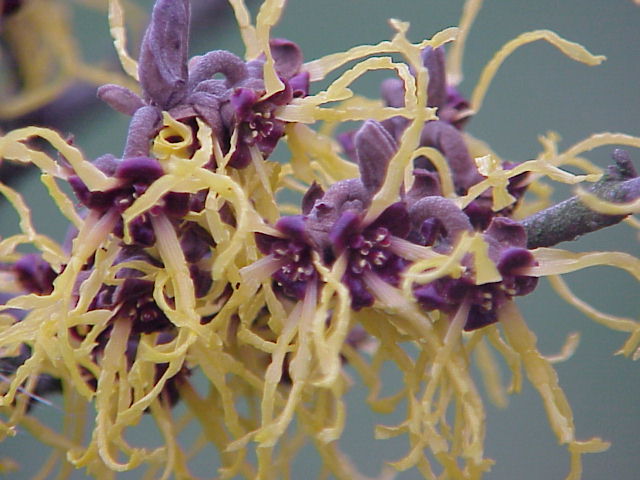
Witch hazel brings a little mischief to the bare season, unfurling wispy yellow or orange flowers in late winter or very early spring, before leaves appear. The shrub can look as if light has snagged on its branches.
Because there are many kinds of witch hazel, the safest move is choosing a winter-blooming type, not one that waits for spring. Placed near an entry or path, the bloom is easier to notice, and some carry a light, spicy fragrance.
Cold rarely ends the show; petals may curl in freezing weather and open again when temperatures ease. That stop-and-start rhythm can stretch the display for weeks, even in rough winters.
Camellia
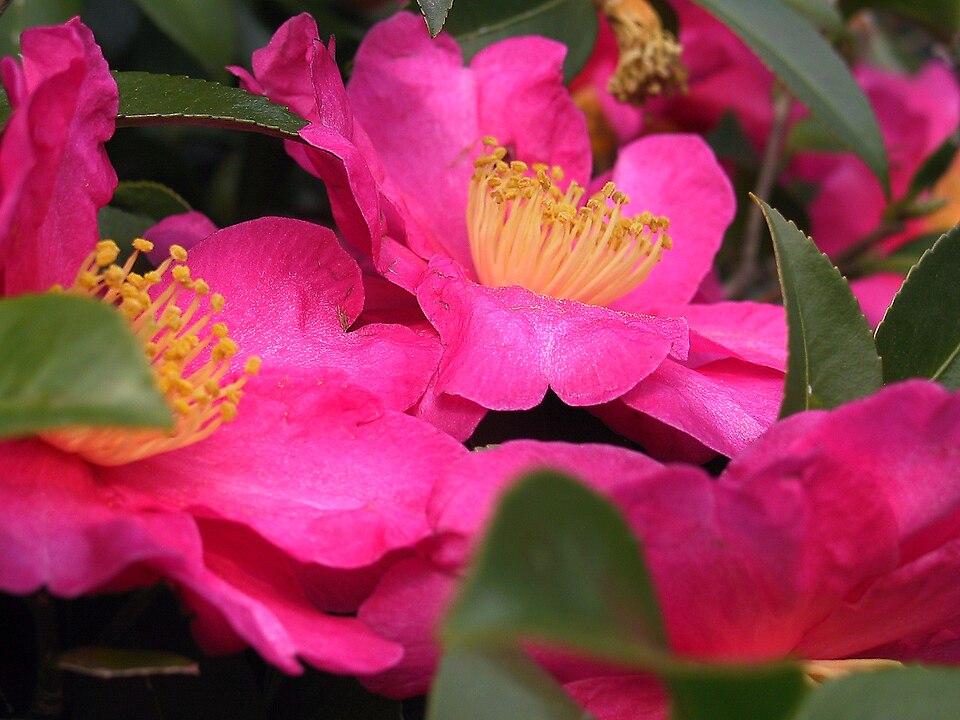
Camellias offer winter grandeur where they are hardy, opening rose-like blooms from late fall into mid-spring, depending on the variety. Against evergreen leaves, each flower reads like a centerpiece.
Not every camellia tolerates real cold, so choosing a winter-blooming type suited to the region is the make-or-break detail. Plant tags help clarify sun and soil needs. When the match is right, the shrub becomes a reliable anchor in a sheltered corner.
Harsh weather can mark petals, yet the plant keeps its schedule and replaces blooms as days lengthen. That steady pace turns camellia into a season-long presence, not a brief event.
Algerian Iris
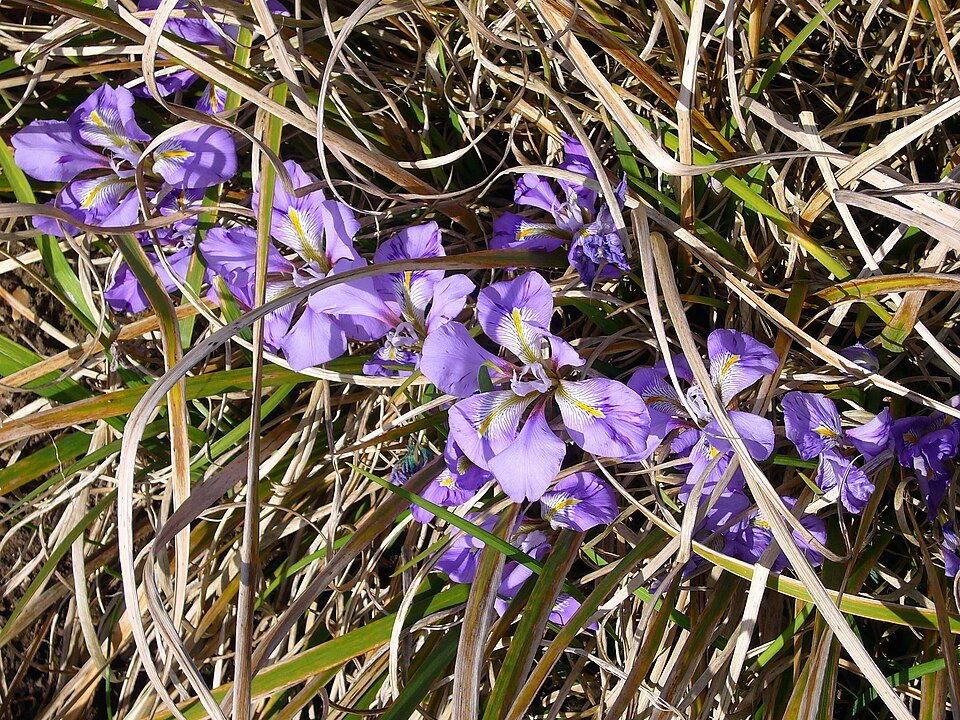
Algerian iris is a winter treat in warm climates, sending up fragrant blooms as early as December while keeping evergreen foliage. It feels less like a seasonal guest and more like a steady presence.
The flowers rise on slender stems, so placement matters. Along walkways or near steps, the scent is easy to catch on a mild afternoon. In beds, the upright leaves keep structure when other perennials collapse.
Timing shifts with weather, so the plant rewards protected pockets: a south-facing wall, a courtyard, a spot out of wind. In the right warmth, Algerian iris blooms calmly through the season and starts the garden year early.
Winter Heath
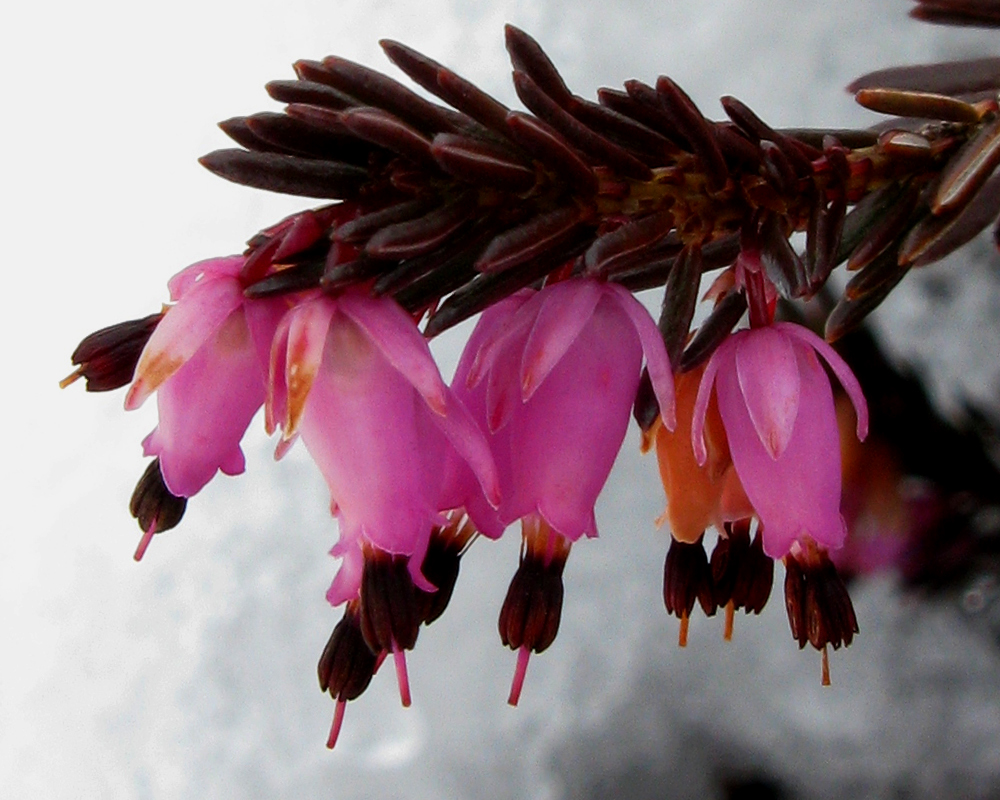
Winter heath earns its reputation the honest way: it keeps flowering when the weather refuses to cooperate. It stays reliable when nights bite. Even in cold climates, it holds pink or white blooms over evergreen foliage, so beds stay lively instead of bare.
Its low, dense shape makes it a natural ground cover along the front of a mixed border. Planted in drifts, the color reads as a soft carpet against stone, mulch, and winter grasses.
Because the foliage stays green, winter heath bridges seasons, tying late fall into early spring. Give it sun and well-drained soil, and it becomes a winter performer that rarely asks for attention.
Cyclamen
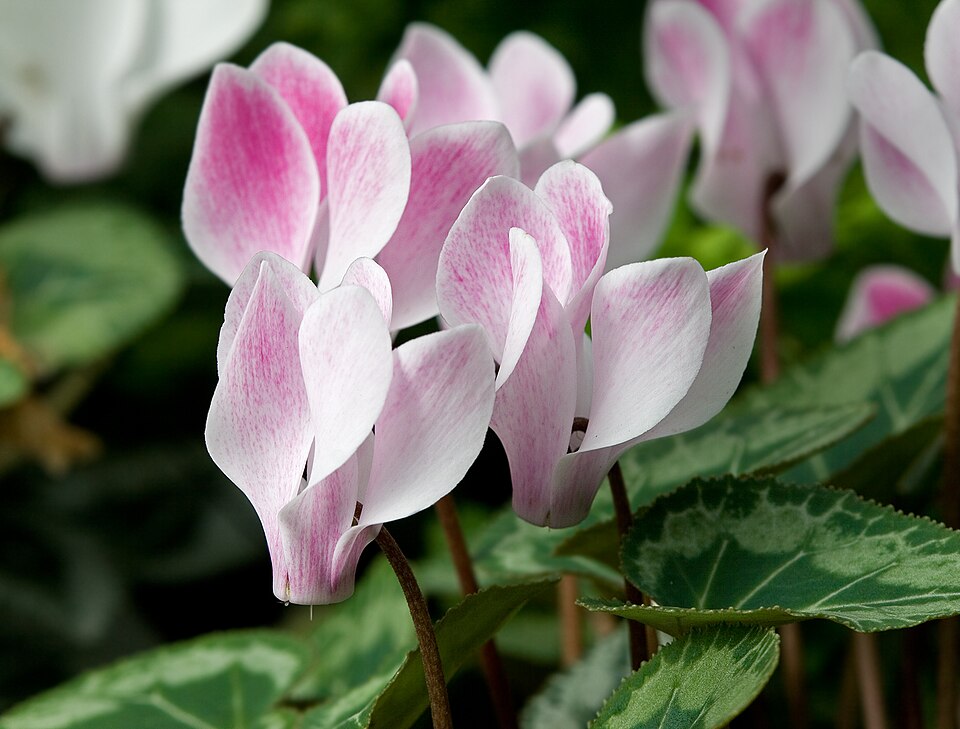
Cyclamen is often sold as a houseplant, but in mild climates it can serve outdoors as a winter ground cover. Blooms rise above patterned leaves in pink, white, lavender, and fuchsia, standing out against muted beds.
Its preferences flip the usual script: winter sun, then shade when heat returns. Space beneath deciduous trees works well because bare branches admit light now and cast cover later.
Planted in small colonies, cyclamen looks natural without feeling fussy. It prefers well-drained soil and resents standing water. The flowers keep coming in cool weather, and the foliage stays decorative after the last bloom fades.
Glory of the Snow
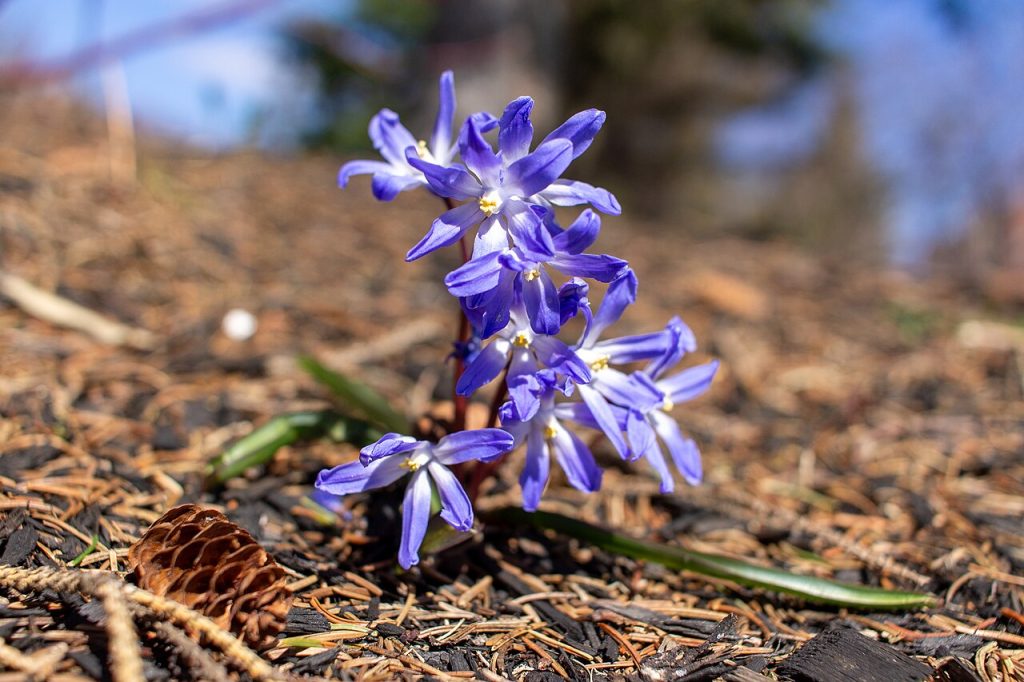
Glory of the snow lives up to its name, blooming in late winter when snow can still be on the ground, often into early spring. The flowers are small but bright, and they read as a confident signal that the season is turning.
Because it is a bulb, fall planting sets the stage for the show. Massing it at the front of edging or under trees gives the best impact, especially when the surrounding bed is still mostly quiet.
After the first year, the patch tends to expand, spreading into a wider sweep with little effort. That slow drift of color makes glory of the snow one of the easiest ways to build a winter-to-spring transition.