

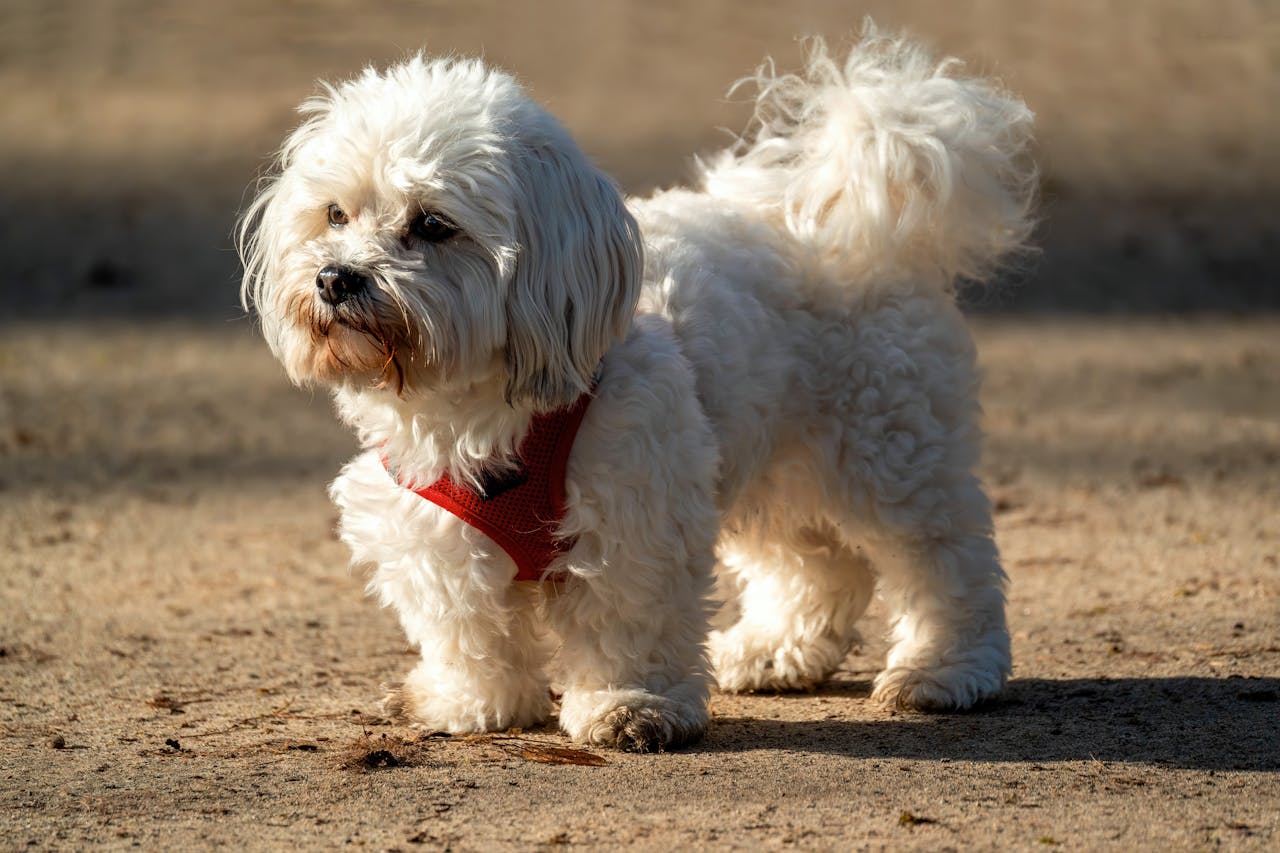
Tiny dogs fit neatly into apartment life, but their small size can hide big needs. Many were bred as alert companions, which can mean constant scanning, sharp barking, and a hair-trigger startle response. Bodies that stay toy-sized come with tradeoffs: crowded teeth that trap plaque, kneecaps prone to slipping, and low tolerance for bumps. New owners often expect low-maintenance charm and discover a dog that needs steady training, thoughtful socialization, and routines for vet, grooming, and calm time. The payoff is real affection, but only when the household respects a small body’s limits. That mismatch sparks stress.
Chihuahua
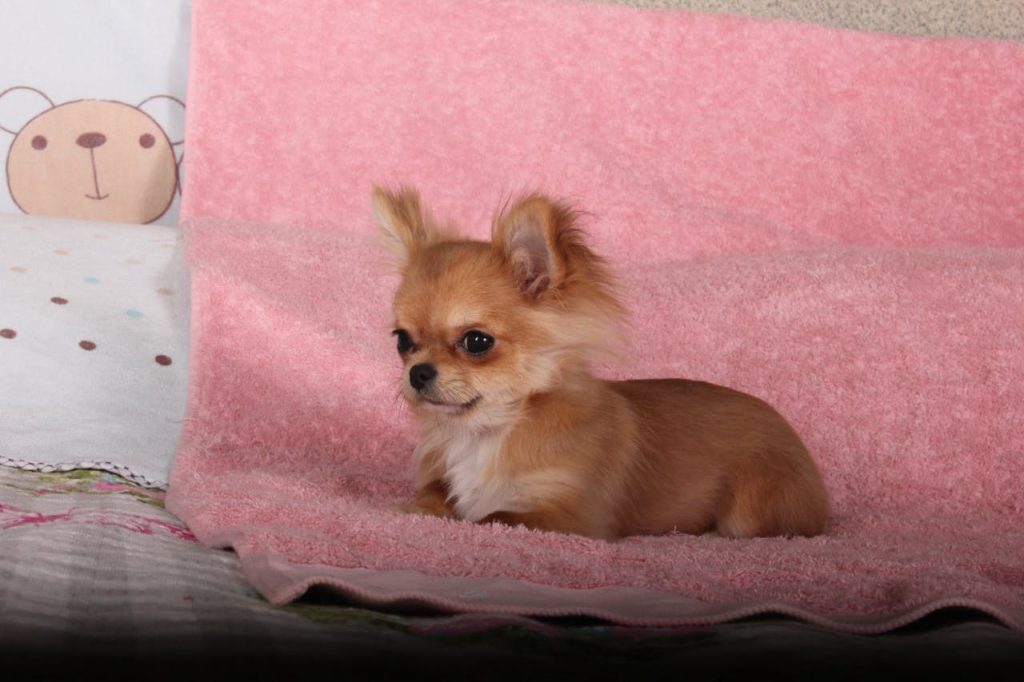
Chihuahuas stay tiny, but their confidence runs large, and that often shows up as constant alertness. Many were bred to bond tightly with one person, so they can shadow a favorite human, guard laps, and treat visitors like intruders. Without early, calm social time, a small warning bark can become a daily soundtrack.
The surprise downside is how much management a toy body needs. A slip from a couch can hurt, winter walks may require warmth, and small jaws crowd teeth, trapping plaque fast. Brushing, dental chews chosen for size, and periodic cleanings become routine, not optional. Good handling habits prevent snappy moments.
Pomeranian
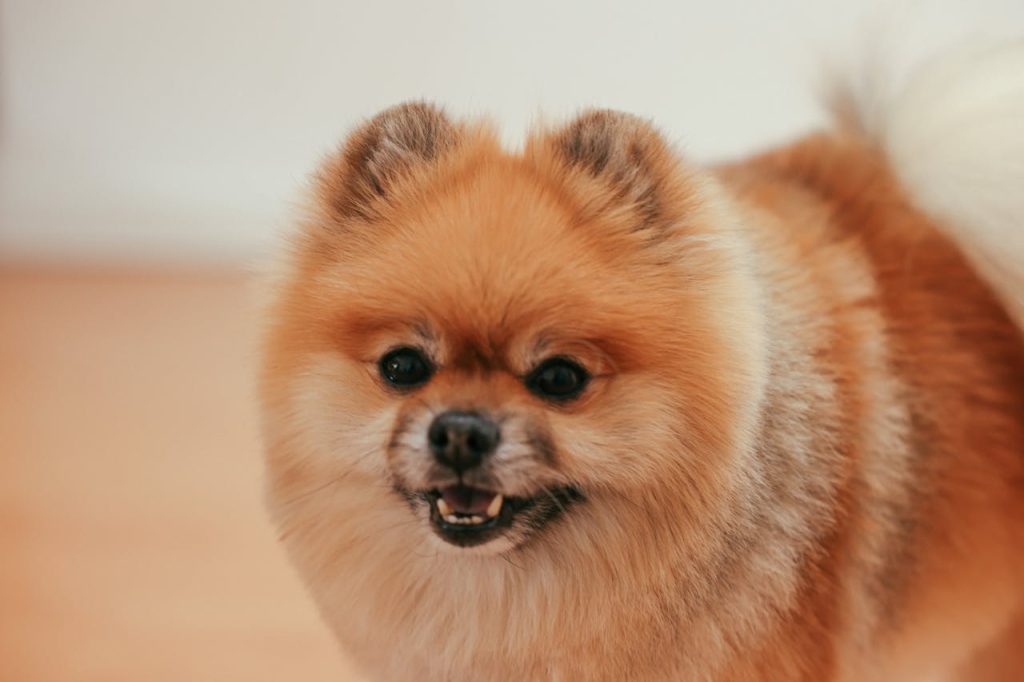
Pomeranians look like living confetti, yet the breed often comes with a loud, watchful personality. Their instinct is to announce everything: delivery trucks, squirrels, even a neighbor closing a car door. That energy is charming until it turns into reactivity and stress in tight spaces, especially in busy buildings.
The coat is the other surprise. To keep it from matting, owners need brushing that reaches the undercoat, not just the fluffy top. Skipped grooming can mean painful tangles and skin irritation, and some Poms deal with fragile knees or a sensitive windpipe that hates pulling. Harnesses and upbeat sessions help.
Yorkshire Terrier
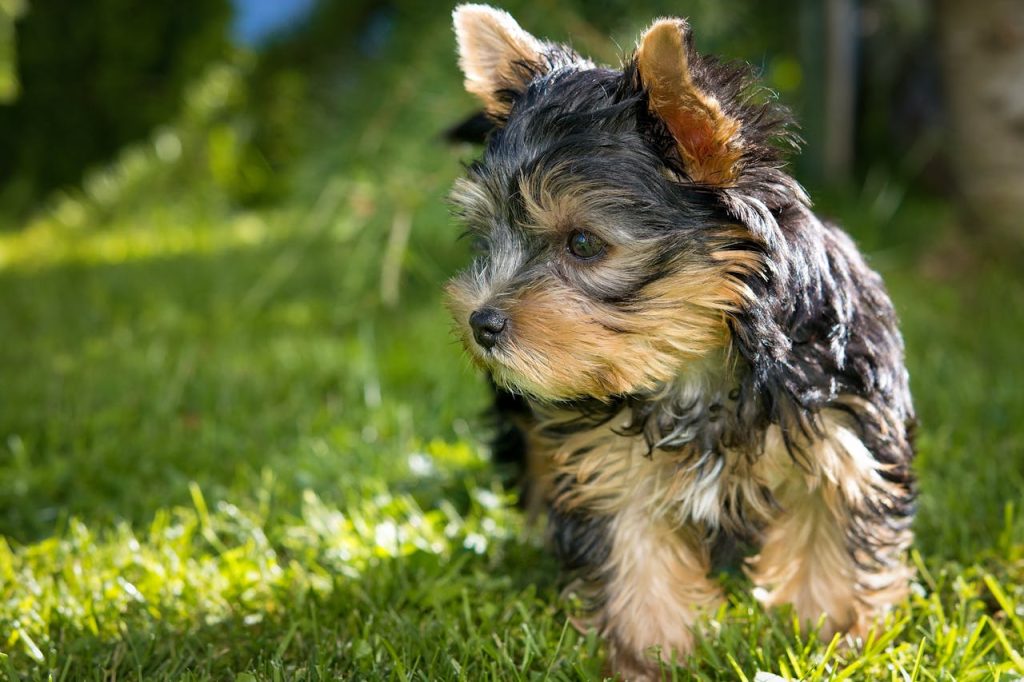
Yorkshire Terriers stay pocket-sized, but they are true terriers at heart: bold, curious, and stubborn about rules they did not invent. They can chase, bark, and guard prized items, which surprises people expecting a quiet lap companion. Housetraining can take longer because tiny bladders leave less margin for error.
The coat behaves like human hair, so it tangles easily and needs frequent brushing or regular trims. Add crowded teeth and delicate bones, and routine care becomes a calendar item. Skipping training and grooming often leaves a dog that acts cute and feels stressed. Many also chill easily, even indoors at night.
Toy Poodle
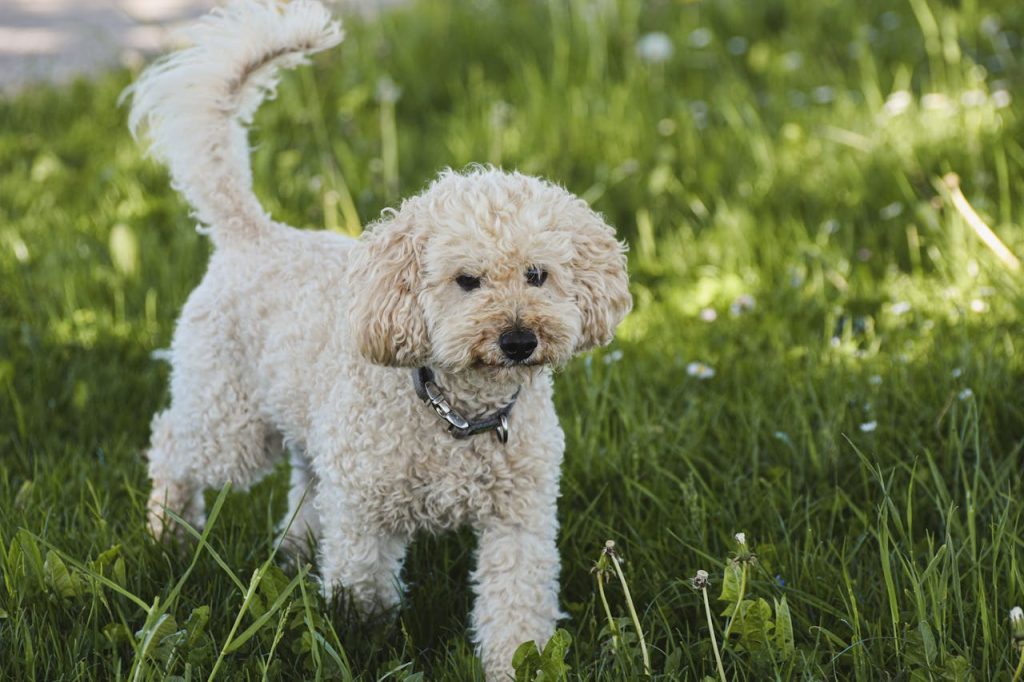
Toy Poodles stay small, but their brains are busy and their feelings run close to the surface. They learn fast, which is wonderful, yet boredom shows up as nuisance barking, pacing, or creative rule-breaking. Some bond so tightly that being left alone becomes a real challenge.
The coat does not shed much, but it grows continuously and mats near the skin if grooming slips. Regular trims, ear care, and brushing are part of life, not an occasional favor. Like many toy breeds, they can deal with luxating kneecaps and dental crowding, so prevention matters early. A tiny body still needs daily walks and puzzle play to stay steady.
Shih Tzu
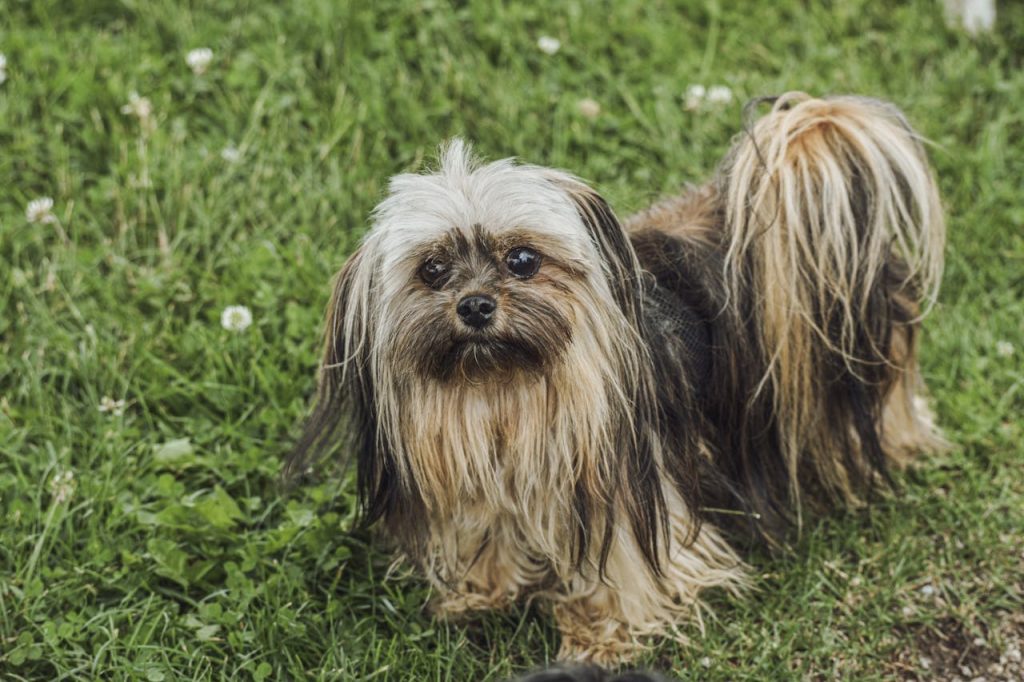
Shih Tzus stay small and sweet-natured, but the flat face that makes them look babyish can create real upkeep. Many snore, run warm, and struggle in heat or heavy humidity, so summer walks may need early mornings and shade. Their large eyes also sit exposed, making them prone to irritation from dust and rough play.
Coat care surprises new owners. Long hair mats quickly, especially behind ears and under collars, and routine brushing or short cuts are the difference between comfort and misery. Add picky eating, dental crowding, and the occasional stubborn streak, and the breed asks for more structure than its plush-toy vibe suggests.
Miniature Dachshund
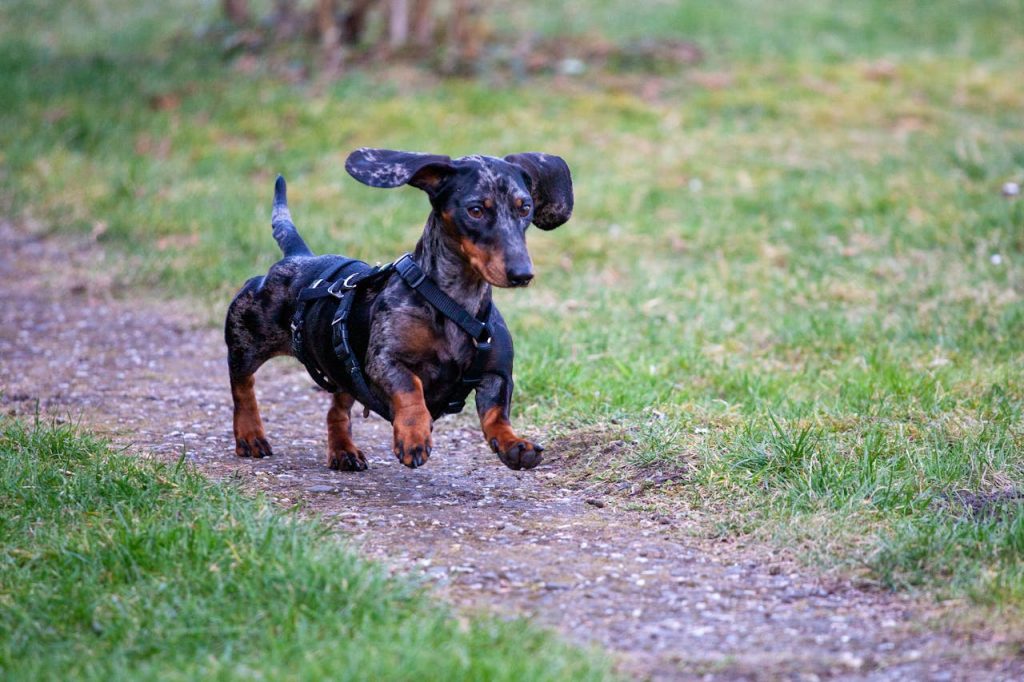
Miniature Dachshunds stay compact, but their long backs are built on a risky bargain. They were bred to go to ground, so they often leap, twist, and dig with determination, even when it is hard on the spine. Stairs, jumping off beds, and rough play can raise the odds of back injury over time.
The other surprise is attitude. Many are funny, loyal, and stubborn, and their hound nose can override recall in a heartbeat. Weight control matters more than people expect, because extra pounds load the back. Ramps, harnesses, and calm training protect both body and household peace. Housetraining can be slow, especially in cold rain.
Cavalier King Charles Spaniel
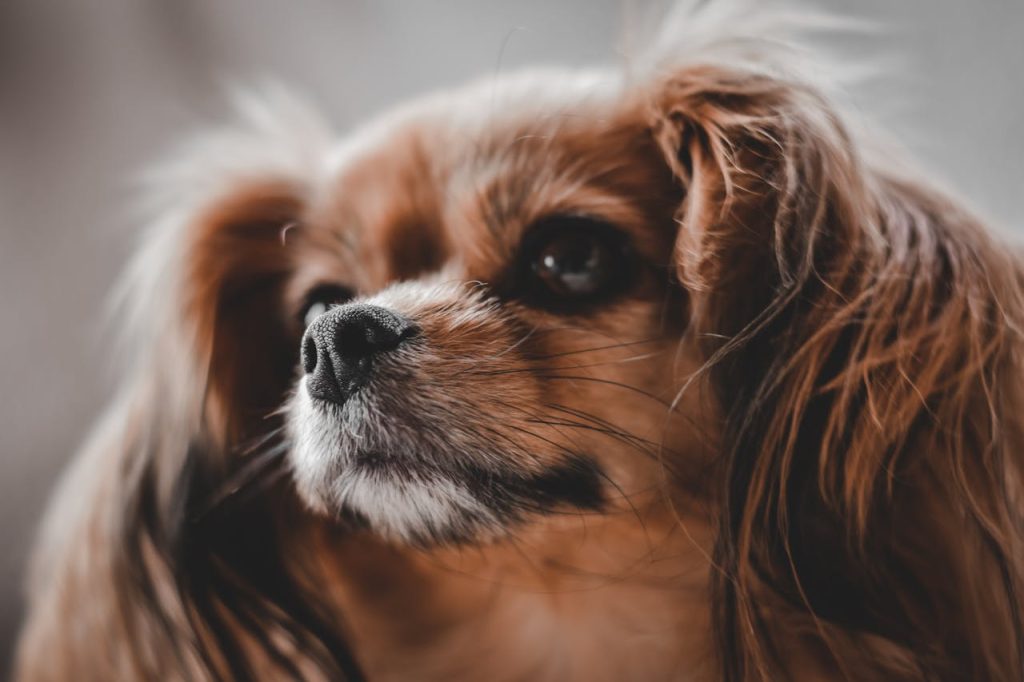
Cavalier King Charles Spaniels stay small and seem effortless, but the breed carries serious health considerations. Heart disease, especially mitral valve problems, is common, so responsible breeders screen and owners should plan for regular checkups. Their gentle nature also means they can worry quietly, instead of acting out, which makes issues easy to miss.
They are Velcro dogs. That sweetness can slide into separation anxiety if they are left alone for long stretches. Ear infections can also be a recurring chore because floppy ears trap moisture. The surprise is not the size; it is the long-term commitment to proactive care.
Maltese
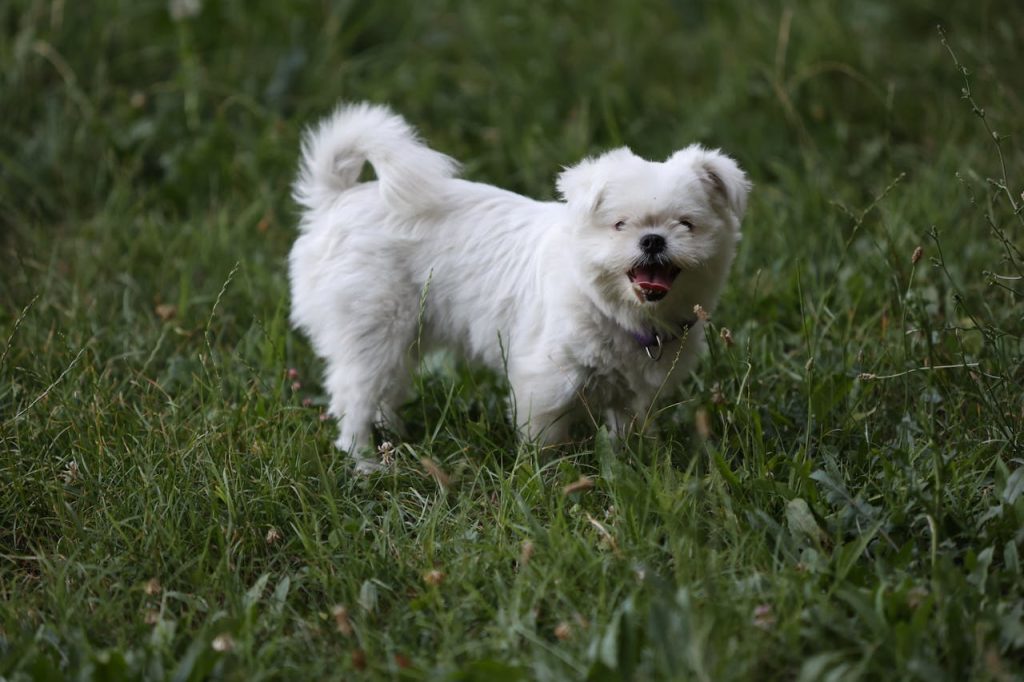
Maltese dogs stay tiny and devoted, but their cloud-white look comes with constant maintenance. Tear staining and facial dampness can irritate skin, so owners end up wiping eyes, keeping hair trimmed, and watching for allergies. They also chill easily and may prefer indoor play over long cold walks.
Like many toy breeds, they are prone to dental buildup because small mouths crowd teeth. Brushing and regular cleanings make a bigger difference than fancy treats. Add a sensitive stomach in some lines and a tendency to bark when bored, and the breed needs structure, not just cuddles. Missed brushing makes mats form fast.
Papillon
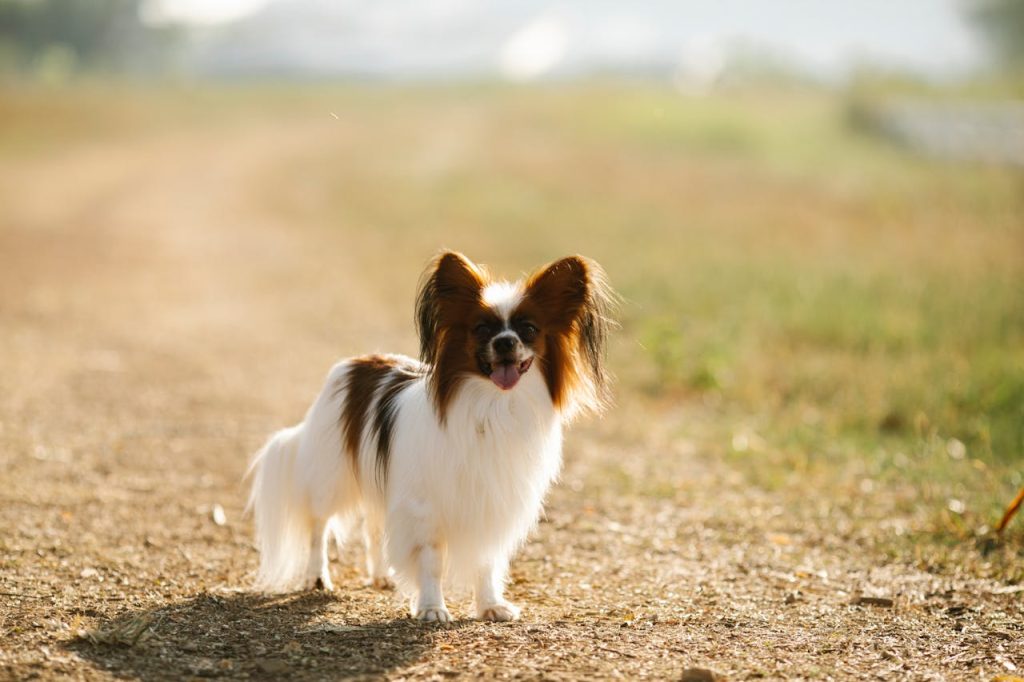
Papillons stay small, but they are athletic and surprisingly intense for a dog with butterfly ears. They excel at learning tricks and agility, yet that same drive can turn into demand barking when attention runs thin. Some also become wary of rough greetings, because people assume they are sturdier than they are.
The downside is fragility plus fussiness about manners. A hard landing can injure a leg, and letting them rehearse lunging on leash quickly becomes habit. Like other toy breeds, luxating kneecaps and dental crowding can appear, so weight control and tooth care matter early. They thrive when brains get work, not just laps.
Pug
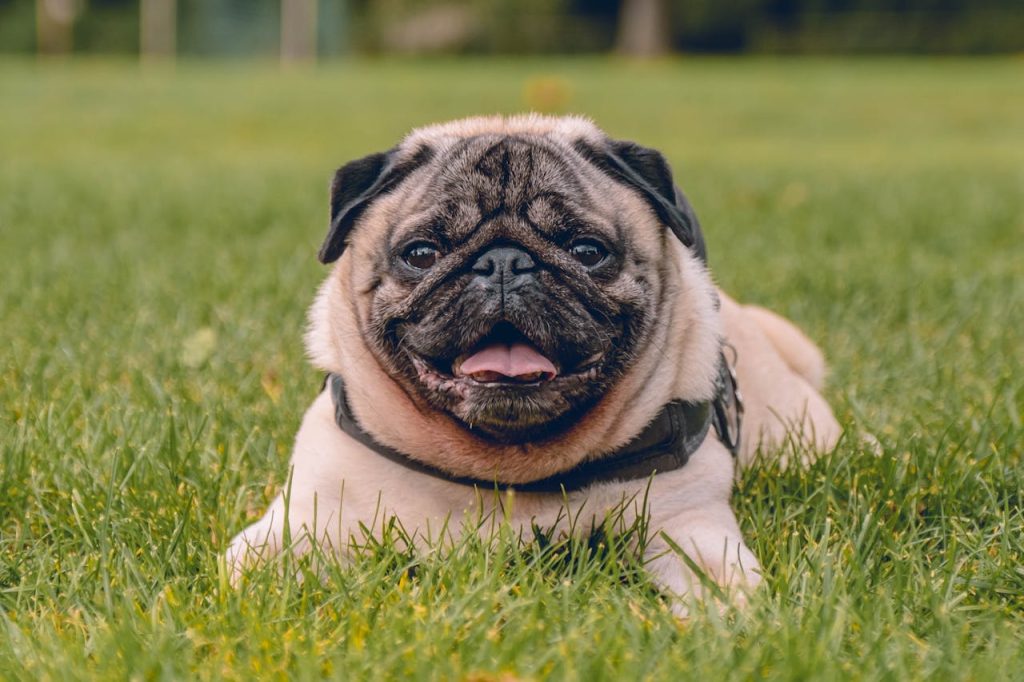
Pugs stay small and social, but the flat face that makes them expressive can bring breathing and overheating concerns. They may snort, struggle on hot days, and tire quickly, so exercise needs to be short, cool, and closely watched. Skin folds can trap moisture, creating odor and irritation if cleaning is skipped.
The surprise is how carefully routines must be managed. Weight gain happens easily, and extra pounds worsen breathing and joint stress. Eyes can be vulnerable to scratches because they protrude more than in many breeds. A good life for a pug is less about distance and more about comfort and preventive care.