

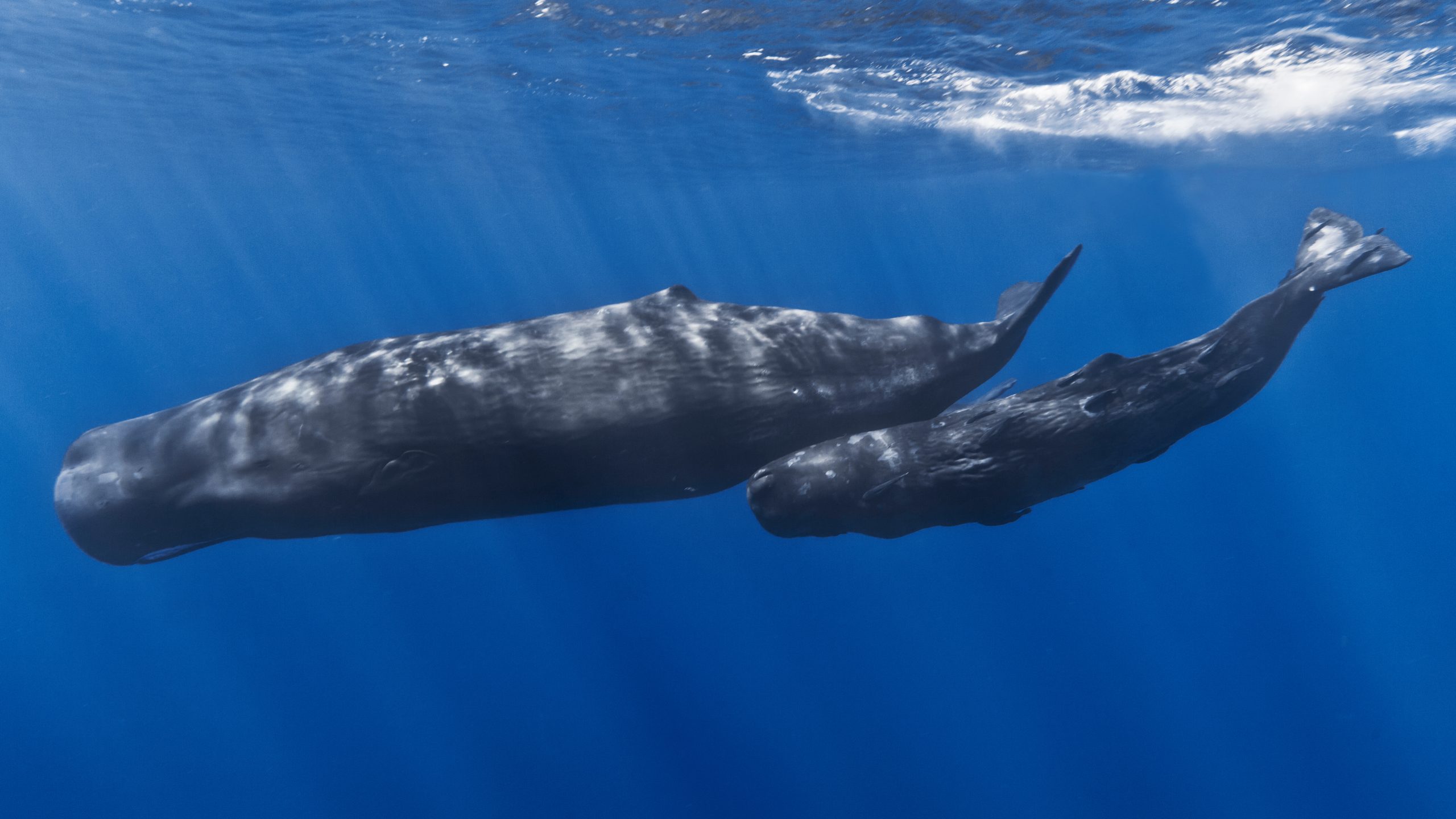
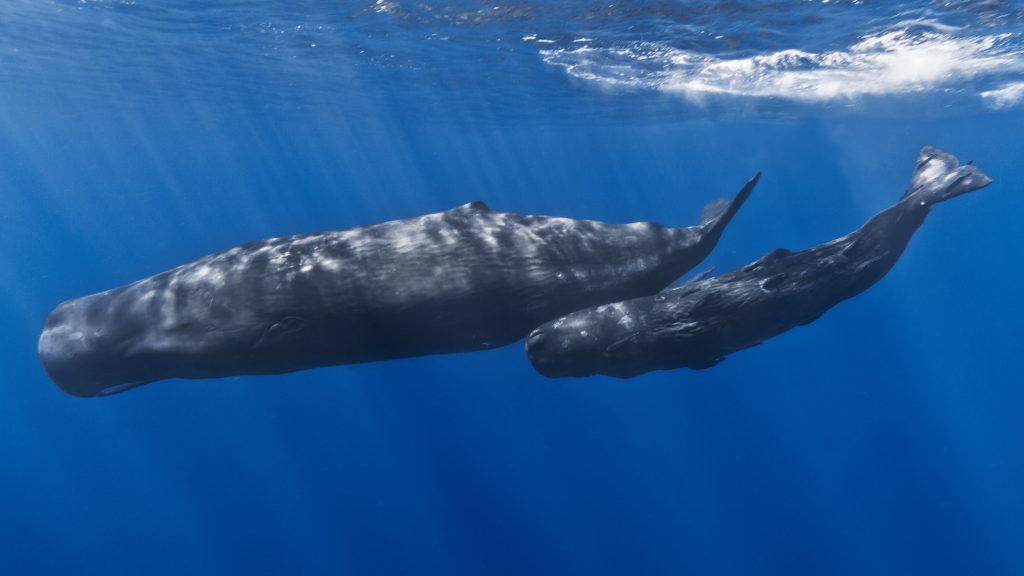
Down in the midnight zone, where light fades to nothing, a single breath becomes a long commitment. Sperm whales slip beneath the surface and vanish into cold pressure that would crush most animals. They are not wandering blindly. Using powerful clicks, they track squid and fish in darkness, then surge in short bursts to seize prey. The rare evidence of giant squid battles often appears later, as circular scars and worn beaks. What looks like myth is, for this predator, ordinary work carried out far below weather and waves.
Built for the Midnight Zone

Isaac Mitchell/Unsplash
Sperm whales spend much of their time in deep water, and NOAA notes their diet centers on animals that live there, including squid and deep-water fish, with daily intake estimated at about 3 to 3.5% of body weight. Research groups describe dives that reach hundreds to thousands of meters, and museum accounts note the species can descend to more than 2 km when chasing big squid that linger along slopes and deep channels. In that cold, lightless space, a storm at the surface is irrelevant, but pressure and time are absolute, so the whale’s whole day becomes a cycle of a long drop, a quiet search, a brief struggle, and a careful return at night.
A Dive Reflex That Buys Time
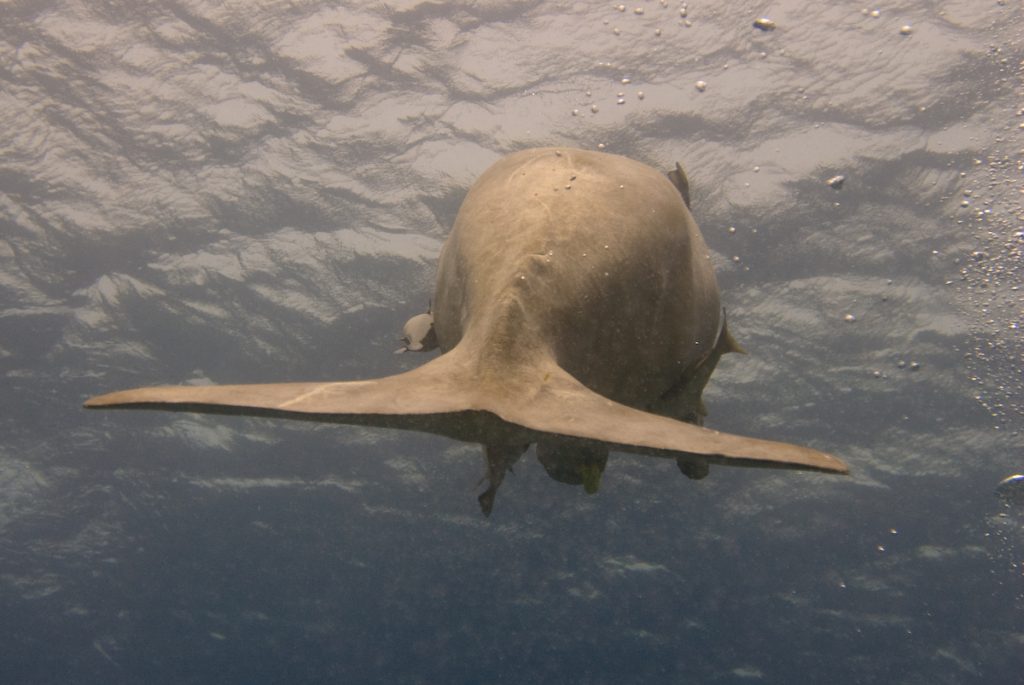
Deep hunting depends on internal discipline as much as strength, and dive physiology allows sperm whales to stay down long enough to make the descent worthwhile even when prey is sparse. DOI-SITs notes dives to around 1,000 meters and breath-holds up to 90 minutes, and research on the mammalian diving response describes apnea, bradycardia, and vasoconstriction that conserve oxygen for vital organs. The payoff is strategic patience: the whale can search quietly for long stretches then spend limited sprint energy only when the clicks say prey is close, escape routes are narrowing, and a single decision will determine whether the dive pays off.
Evidence Written in Scars
Direct footage of whale and giant squid is rare, but the surface carries receipts from the depth, sometimes for decades, in the form of rings and patches. The Smithsonian describes circular scars on sperm whales that match the size and pattern of giant squid suckers, often clustered near the head where tentacles would strike, and it notes older whales can be covered in overlapping rings. Natural history educators emphasize that much of the evidence is indirect, yet the message is clear: arms wrap, suckers lock, and the squid fights for leverage while the whale tries to end the encounter quickly before oxygen, depth, and fatigue tilt the odds.
Giant Squid on the Menu
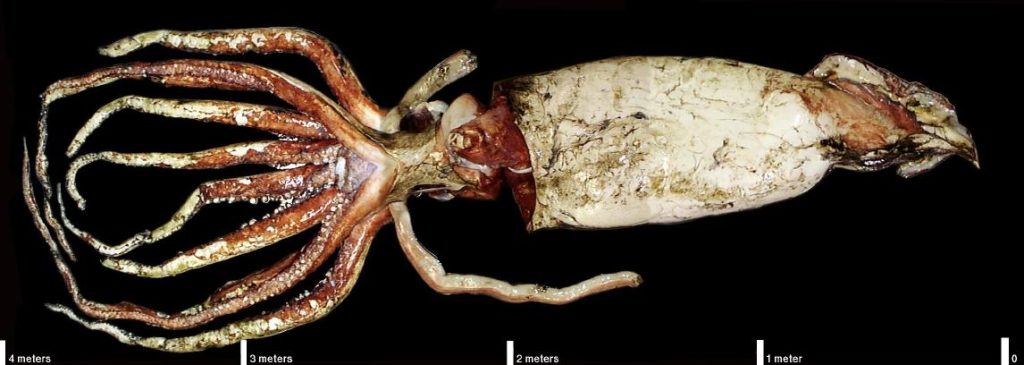
Sperm whales are the largest toothed predators alive, yet their most common meals are soft-bodied and hard to see, especially squid that live beyond the reach of daylight and often glows faint. NOAA lists squid as a key part of the diet, and natural history sources note that squid beaks can persist after digestion, leaving durable proof in stomach analyses even when flesh is gone. That is why the relationship is known through fragments: a beak in the gut, a sucker ring on the skin, and a predator that surfaces looking almost calm after doing something violent and demanding far below, where prey can be large, muscular, and unwilling to let go.
Not Just Ambush, but Pursuit
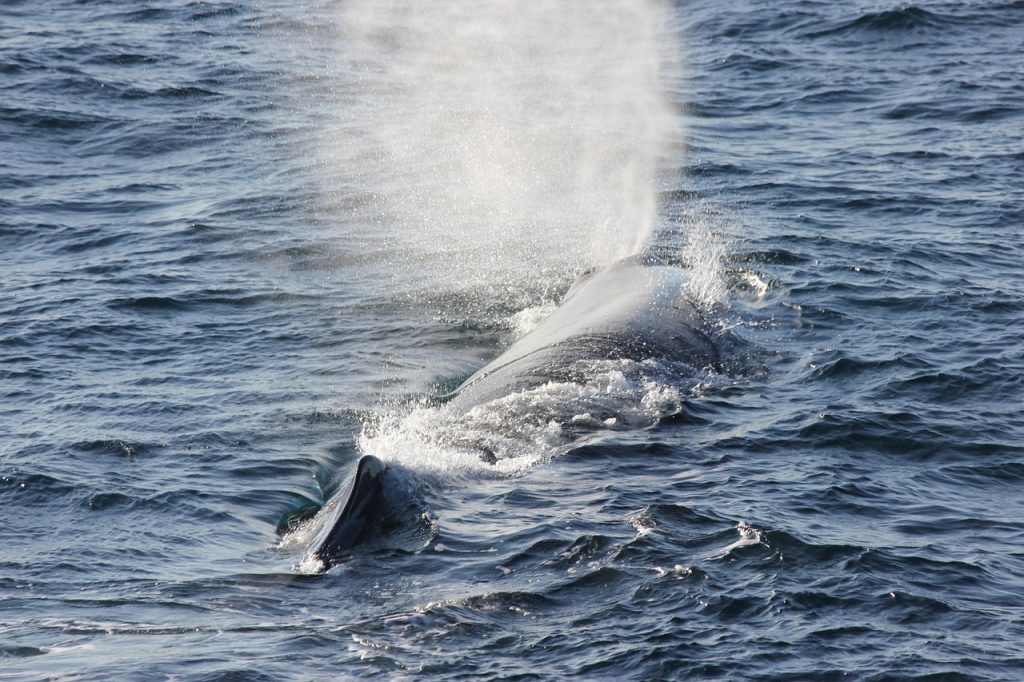
The hunt is not always a slow drift, especially when the target is substantial enough to justify risk and a long climb back to air. Studies using tags and 3D dive profiles report bursts of speed and frequent turning during foraging, supporting the idea that sperm whales actively pursue prey that is strong, mobile, and nutritious enough to repay the effort at depth. For a giant squid that can jet, twist, and lash with long arms, pursuit matters, because a missed grab is costly: it burns oxygen, lengthens the dive, raises exposure to pressure, and can force the whale to abandon the chase before the next breath and leaves less margin for errors.
A Head Shaped for Impact
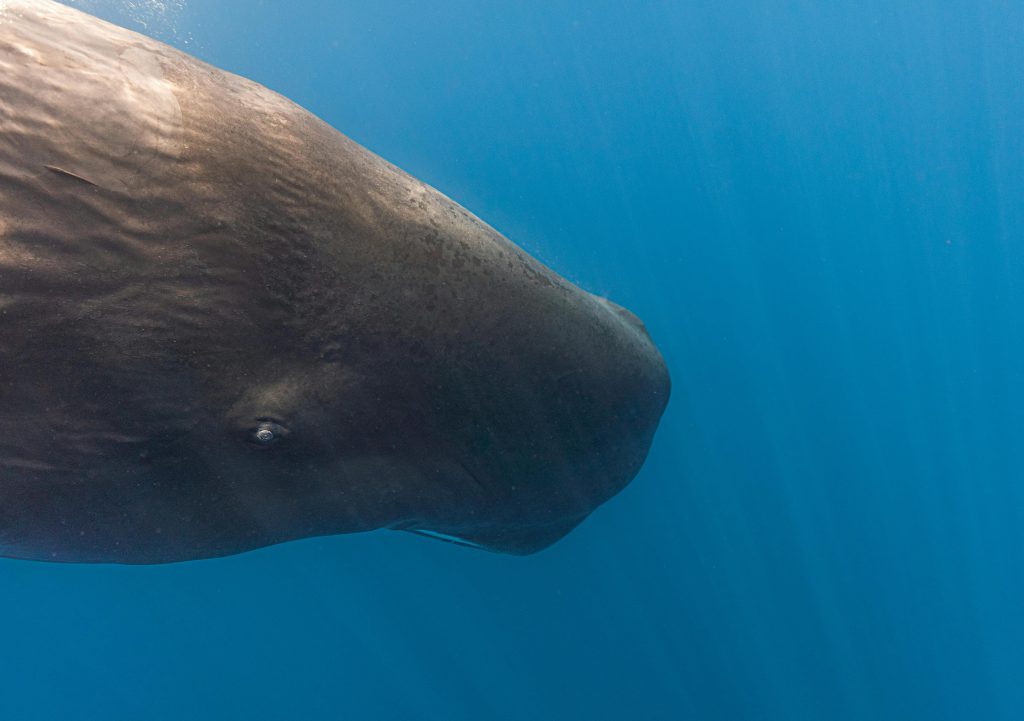
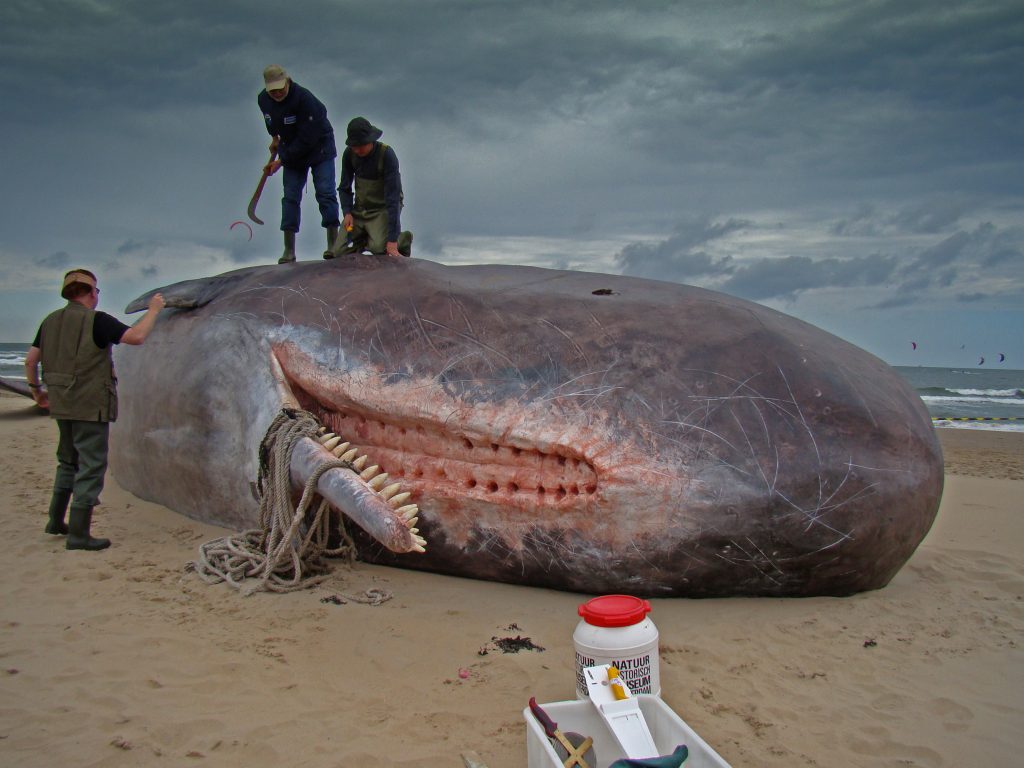
A sperm whale’s blunt, oversized head is more than a silhouette; MBARI notes adults can reach about 16 meters and weigh up to 41 metric tons, and that mass supports sound production and close-quarters feeding. Once contact is made, a mouth lined with large teeth can clamp down while the head and body provide leverage against an animal that is mostly arms, suction, and torque. In a tight grapple, the whale’s advantage is mechanical: a heavy front end that can pin, roll, and finish quickly, keeping tentacles from gaining purchase, before the struggle becomes a draining tug-of-war that burns oxygen at depth where pressure leaves no margin again.
Why Darkness Helps the Hunter
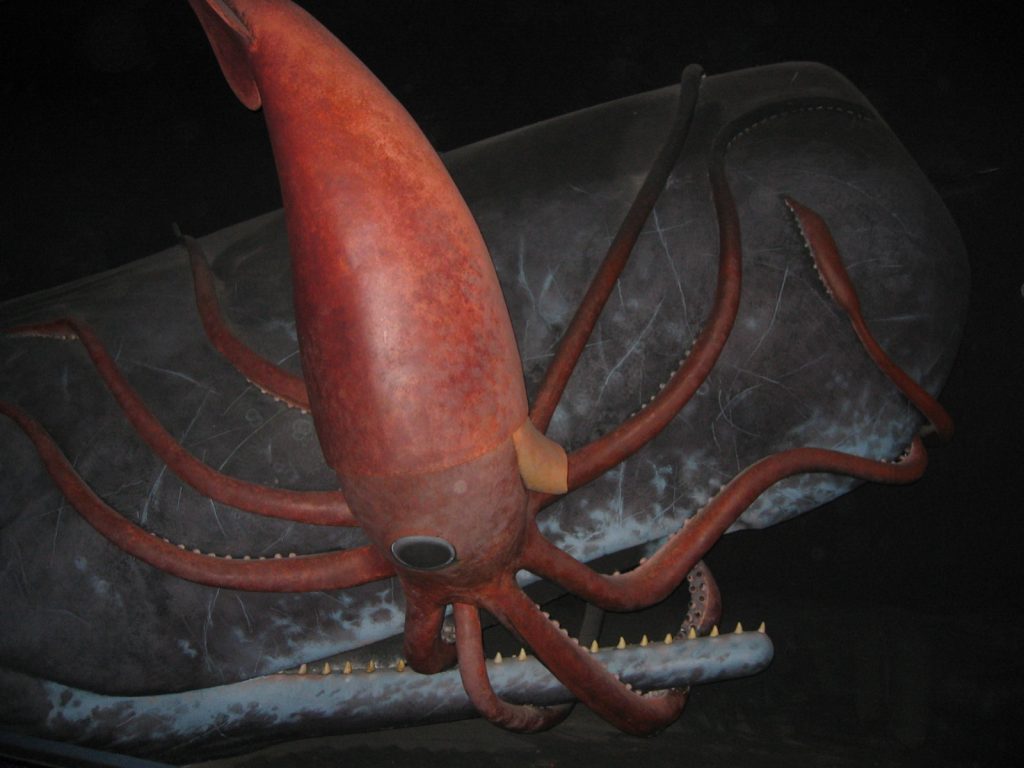
Darkness equalizes vision, but it does not equalize sensing, and the deep sea rewards the animal that can detect first. MBARI notes sperm whales use clicks to locate prey in the deep, while giant squid rely on stealth, reach, and sudden contact in a realm where distance collapses fast and shadows are permanent. That mismatch gives the whale an early-warning edge: it can detect movement, choose an approach angle, and strike from below or behind, turning the abyss into a place where information travels as sound, and the animal that can read that signal best controls the encounter’s first, crucial seconds across open water, far from shore below.