

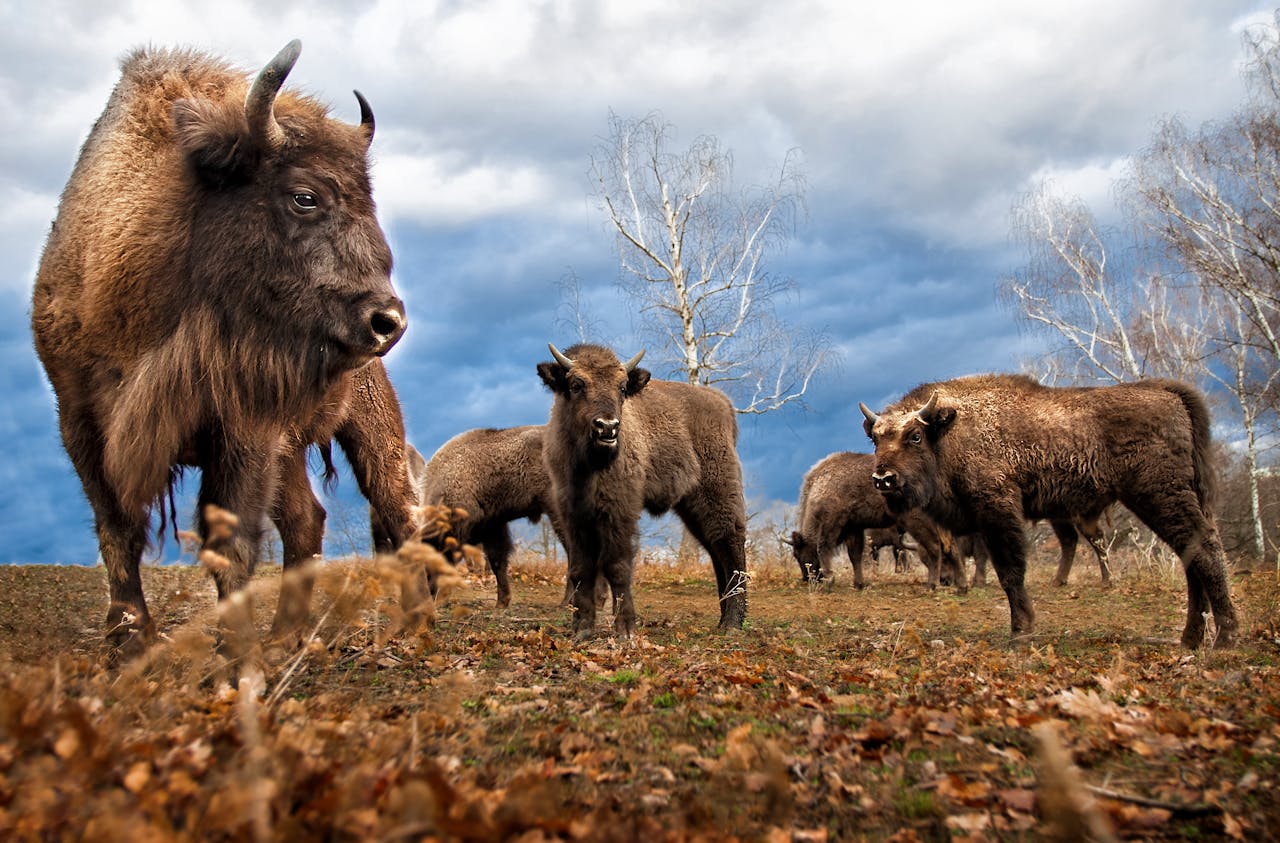
British woodland history is usually told through timber, farming, and settlement. That version misses a major ecological force: the aurochs, a huge wild bovine that once moved through open patches, scrub, and forest edge, changing plant structure through grazing and movement. It was not symbolic wildlife. It was a working part of the system, and its loss changed what later generations came to see as normal woodland.
The timeline is sobering. Archaeological scholarship places Britain’s aurochs disappearance in the Bronze Age, while the species survived in central Poland until 1627. That gap reveals a long retreat rather than a sudden collapse, and it helps explain why present-day woodland debates now focus on process, not only tree cover.
The Animal Was Real, Not Legendary
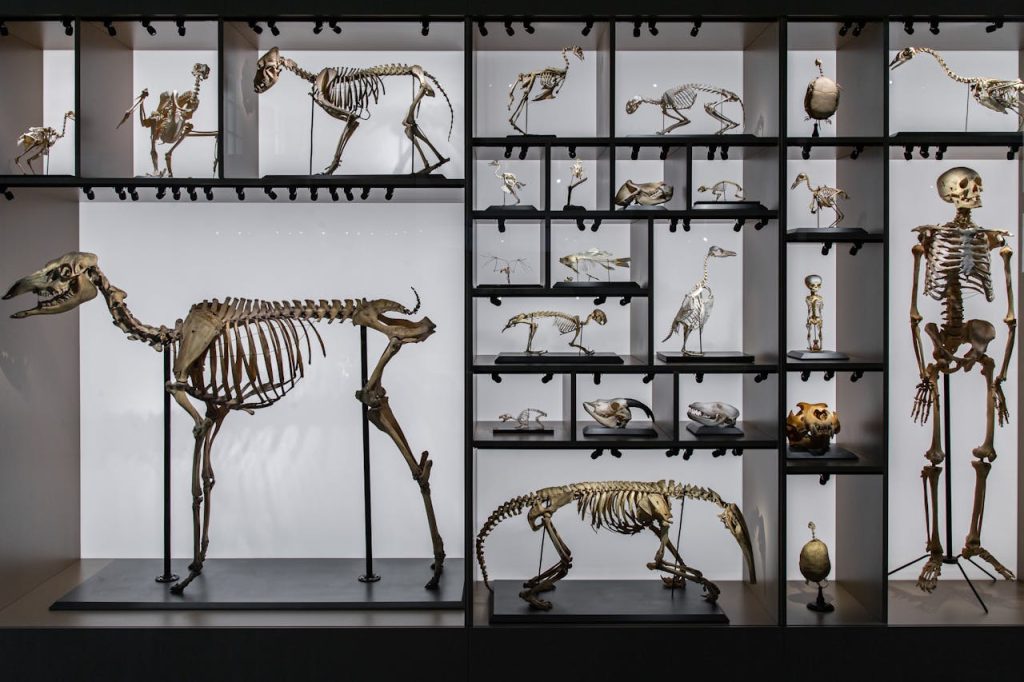
The aurochs was not folklore. It was the wild bovine ancestor of modern cattle, spread across Europe, North Africa, and parts of Asia. Skeletal finds and historic descriptions show an animal with a tall shoulder, long forward-curving horns, and the strength to move through scrub, marsh, and woodland edge through changing seasons and climate swings.
Britannica reports it survived in central Poland until 1627, long after it had vanished elsewhere. That date anchors extinction in recent history, not distant prehistory. The animal belonged to landscapes shaped by grazing pressure, seasonal movement, and constant contact with people.
Britain Lost It During a Social Shift
In Britain, the story ended earlier. Research in the Proceedings of the Prehistoric Society places aurochs extinction in the middle to later centuries of the second millennium BCE, during the Bronze Age. That places the loss inside a period when farming systems and land control were becoming tighter and more organized.
The disappearance meant more than one species gone. It removed heavy browsing, trampling, and selective feeding that influenced which plants held ground. Once that pressure dropped, woodland structure and edge habitat likely shifted, and later generations inherited those altered conditions as if they were original.
Why Large Grazers Change Forests
Large herbivores are not background animals. They open paths, break young stems, spread nutrients, and create transitions between thicket, grass, and regenerating trees. Modern ecology shows that when these animals disappear, woody growth can thicken, light can fall at ground level, and habitat variety can shrink.
That is why the aurochs mattered beyond body size. It represented an ecological process. Even with favorable climate, losing heavy grazers can push land toward denser, more uniform vegetation. A forest may still look healthy to people while quietly losing many niches needed by insects, birds, and ground flora.
The Old Closed-Canopy Story Is Incomplete
Recent paleobotanical work has challenged the old image of Europe as a near-continuous dark canopy before modern people. A 2023 Science Advances study found that light woodland and open vegetation together averaged more than half of cover in the analyzed temperate interval, with strong regional variation.
This does not mean every landscape was open. It means patchwork conditions were common, and disturbance was structural, not rare. In that setting, large herbivores such as aurochs fit as landscape shapers that helped sustain mosaics. Forest history looks less like a wall of trees and more like a shifting fabric of light and shade.
Human Pressure Built Over Time
Pressure from people did not look identical in every century, but it compounded. During and after the Bronze Age, landscapes were increasingly organized around fields, managed stock, and controlled resources. The Cambridge study places British aurochs loss inside that social transition, not outside it.
Across Europe, contraction ended in a narrow final refuge. Britannica notes the species survived in central Poland until 1627, showing how far distribution had already retreated. The arc from broad presence to isolated survival is a familiar extinction pattern: shrinking habitat, smaller populations, and weaker resilience to stress.
Rewilding Is Testing Function, Not Resurrection

Rewilding in Britain is not reviving aurochs, but it is testing how large grazers can restore process. In Kent’s Wilder Blean project, European bison were introduced as ecosystem engineers. Trust partners describe grazing, bark feeding, dust bathing, and tree felling as behaviors that help renew habitat.
The idea is practical. Let animals perform part of the structural work that machinery and manual thinning have long attempted. Results remain site-specific and under monitoring, yet the project has already shifted woodland policy debate. It asks whether resilience comes from tighter control or rebuilt ecological function.
Aurochs-Like Cattle Are Not Aurochs
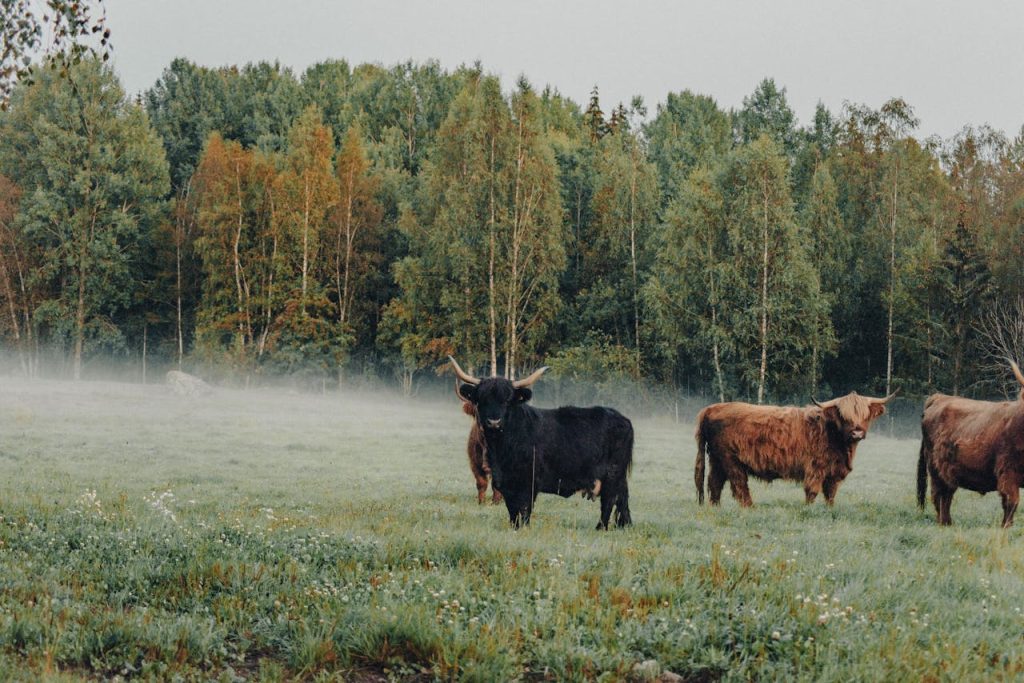
Back-bred cattle lines enter this debate, especially projects that aim to recreate an aurochs-like form and behavior. These herds can be useful for conservation grazing, but they are not returns of the species. Britannica notes breeder claims while cautioning that visual similarity does not mean identical genetic makeup.
That difference matters in practice. Good conservation needs clear labels and measurable outcomes, not mythology. If a herd is a functional substitute, it should be judged by canopy gaps, plant diversity, soil condition, and species response. Precise language keeps focus on ecosystem change, not dramatic branding.
The Missing Process Is the Real Story
The core lesson is straightforward. Britain lost more than a large grazer; it lost a long-running ecological force that helped shape woodland texture. Treating present forests as fixed endpoints can hide that history and narrow restoration goals. The aurochs story shows that absence can reshape nature as strongly as presence.
Rebuilding missing function now requires trade-offs, public consent, and patient monitoring, not nostalgia. Evidence is stronger than a decade ago, and the direction is practical: resilient woodlands need dynamic disturbance. The animal is gone, but part of its role can still be rebuilt through careful design.
Sources
- Encyclopaedia Britannica: Aurochs
- Cambridge Core: Disappearance Beyond Recall (Bronze Age Aurochs Extinction in Britain)
- University of Sheffield Thesis: Aurochs in Europe and Britain (PDF)
- Science Advances (PMC): Substantial Light Woodland and Open Vegetation Before Homo sapiens
- Current Biology: Impacts of Large Herbivores on Terrestrial Ecosystems
- PNAS: Combining Paleo-Data and Modern Exclosure Experiments
- ScienceDirect: European Bison Increase Plant Species Diversity (2024)
- ScienceDirect: Do Large Herbivores Maintain Open Habitats in Temperate Forests?
- The Wildlife Trusts: Bison Released in UK Woodlands (Wilder Blean)
- Rewilding Britain: Aurochs and Proxy Restoration Context
Britain lost a woodland giant that created light, space and diversity; rebuilding that role could help forests recover better now.