

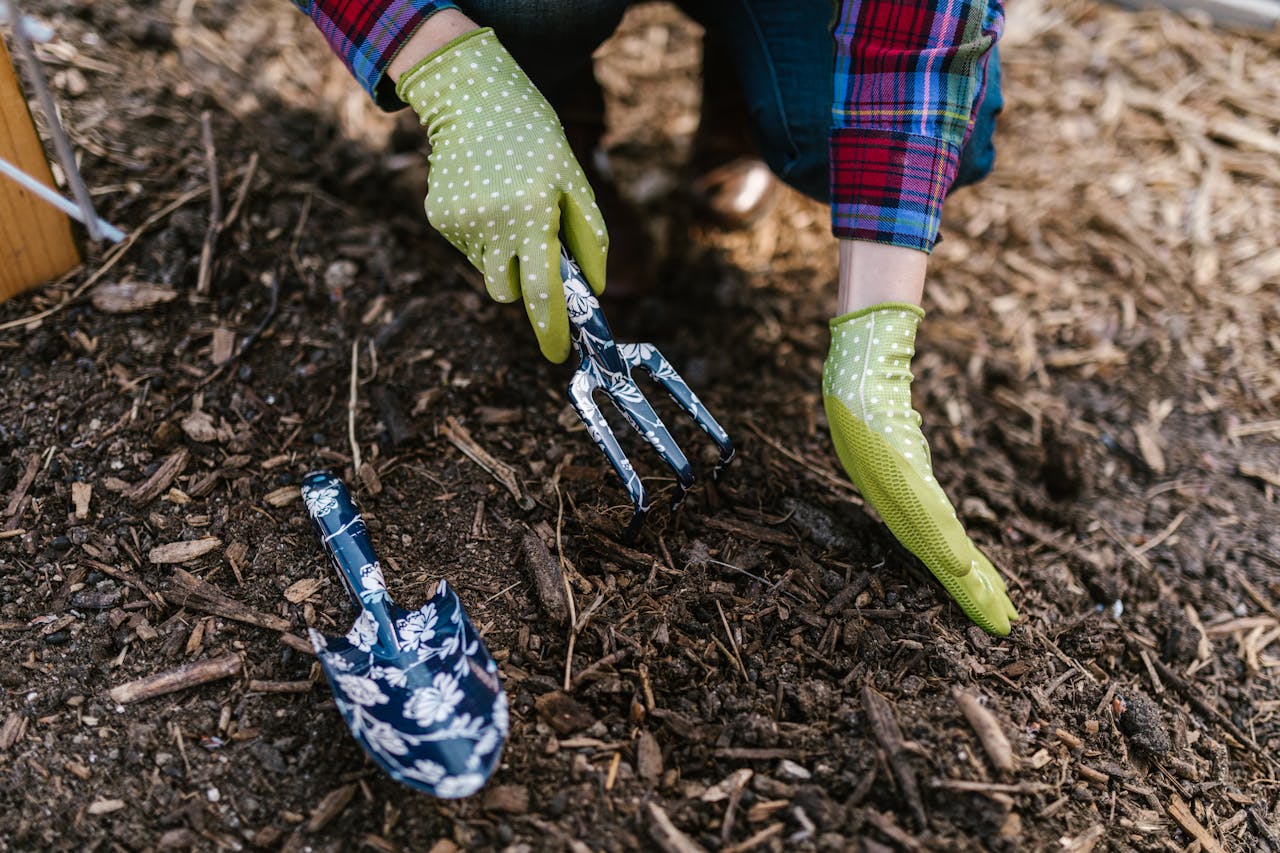
After a long monsoon stretch, many garden beds did not just look tired. They were stripped. Repeated downpours can push past 100 millimeters in a day, saturate root zones, and wash away loose topsoil that normally carries much of the biological activity. Once water drains, the surface may appear calm, yet the profile beneath is often compacted, uneven, and oxygen-poor. That mismatch between appearance and function is where a quick layering fix often starts to fail.
A rebuild can still become an advantage if it is treated as a structure-first reset rather than a refill exercise. Organic layering has real value, but only when the base can drain, breathe, and support roots without sealing shut. Sequence, material condition, layer depth, and watering all interact. Ignore those links, and the same method praised for fertility can create soggy pockets, stalled decomposition, and weak root systems that underperform long before harvest.
Why Flood Recovery Starts Below the Surface
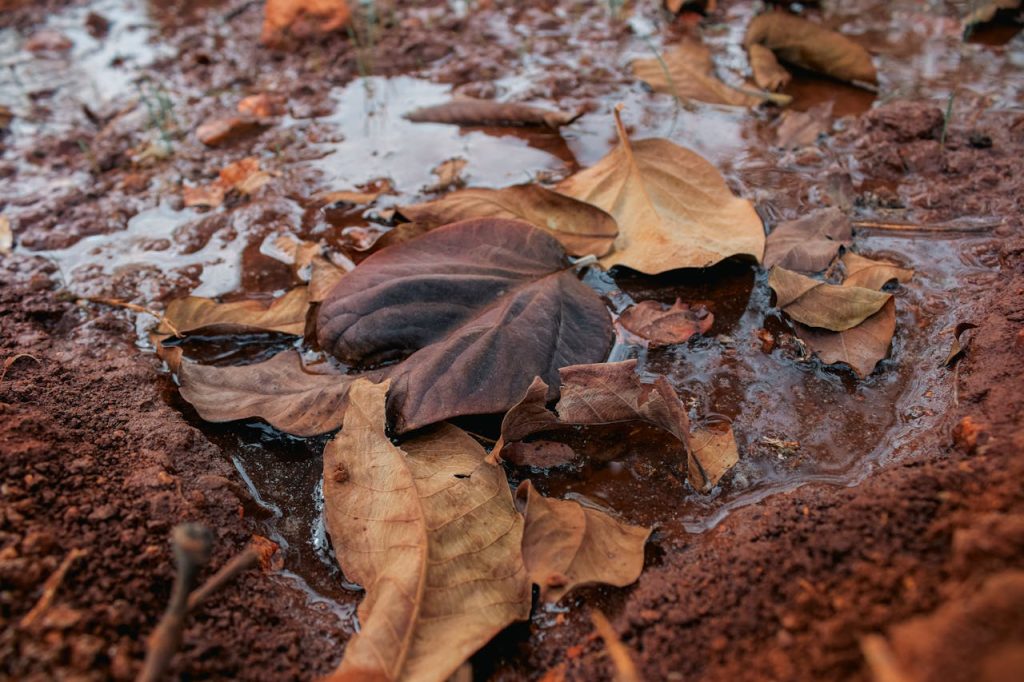
Flooded beds rarely fail only because nutrients were washed out. They fail because pore space collapses. After days of rain, particles settle tightly, oxygen drops, and roots hit resistance even where fertility looks acceptable. That is why a bed can look recovered at the surface but still underperform once seedlings are in.
The first question is physical, not chemical. Does water move down at a steady pace, and can roots pass through without bending back? Hard crusts, puddling after light watering, and a sudden stop a few centimeters down are warning signs. If these signs are ignored, new layers trap moisture above compacted zones. The bed appears rich on top while root zones stay dense and air-poor below.
Loosen First or Every Layer Fails
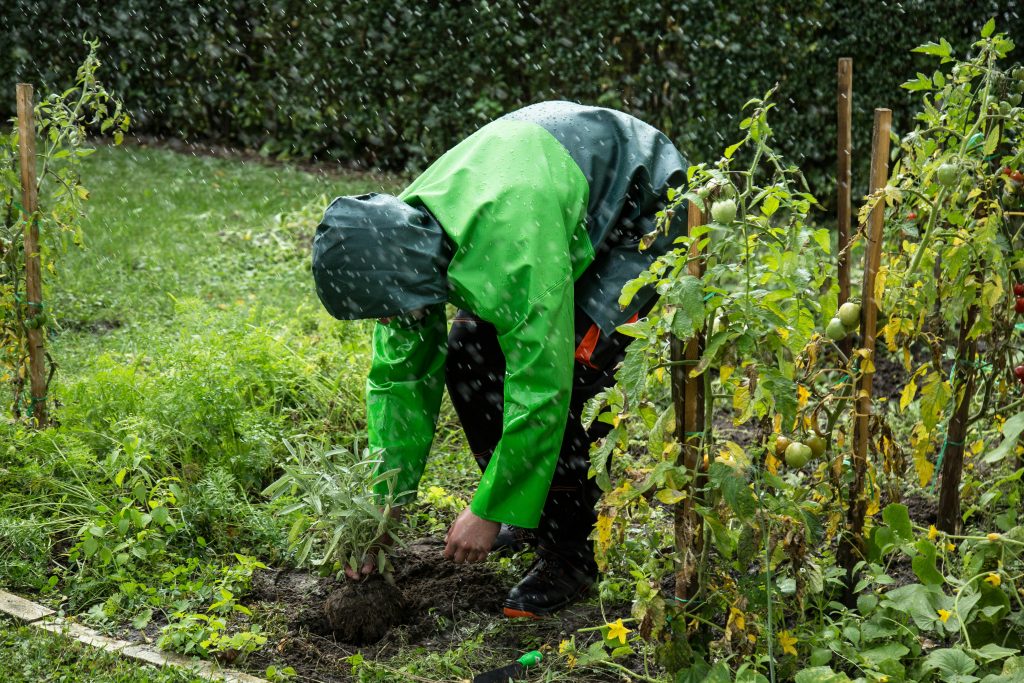
Before adding any layer, reopen the base by breaking clods and easing compaction. The goal is connected pore channels so water can infiltrate and excess moisture can leave. A shovel, fork, or broadfork can work if the motion lifts and crumbles instead of smearing walls into a slick pan. Keep tools angled so the base fractures instead of sealing.
Leveling is not cosmetic. Small depressions can trap water and start rot pockets before roots can move.
Small dips and mounds create wet pockets and dry ridges, so decomposition runs at different speeds across one bed. That uneven biology becomes uneven germination and patchy root growth.
Take time here. If this step is rushed, every layer above inherits the flaw, and later fixes become slower and costlier.
Dried Grass Helps Only When It Is Truly Dry
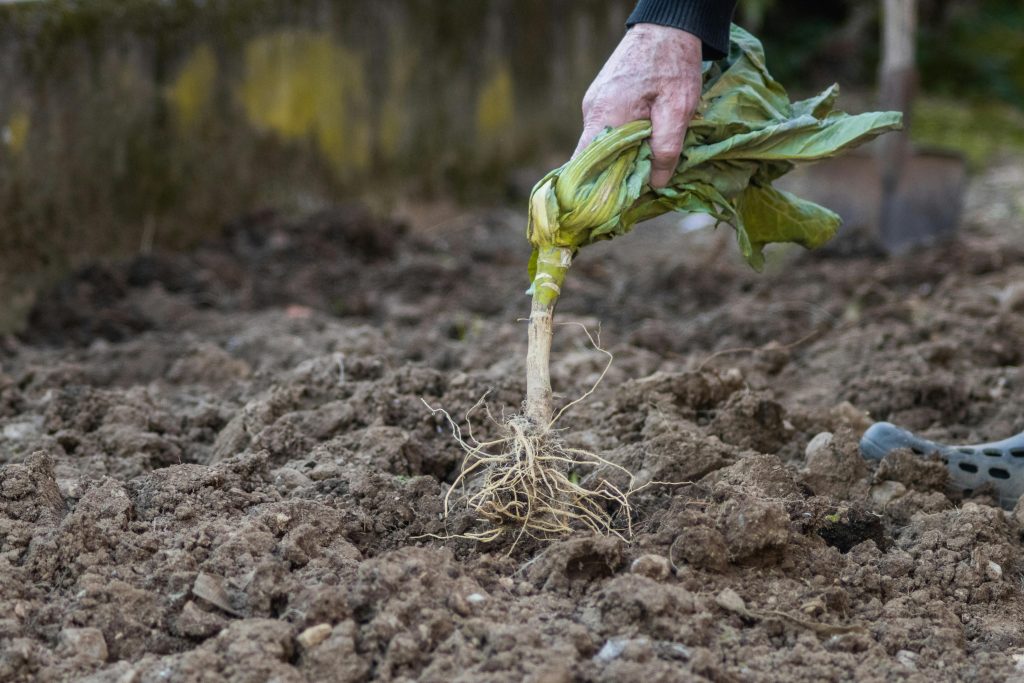
Grass clippings can be a strong bridge layer, but only if they are fully dry before use. Fresh clippings mat, heat, and sometimes regrow in warm wet beds. Spread them thin in sun for about two weeks and turn once or twice so moisture leaves evenly. Dry material is easier to distribute and far less likely to form dense, sticky slabs.
When prepared correctly, this layer slows surface evaporation, buffers heat, and feeds decomposers gradually. As it breaks down, it adds organic matter that improves aggregation and root-friendly texture. The mistake is assuming any clipping layer will help. Moisture level decides the outcome. Truly dried grass supports structure, while damp grass can become an oxygen-poor barrier that stalls roots early.
The Hidden Physics of Grass and Loam Layers

Adding loam above dried grass is about making the bed look tidy. It builds a contact zone where roots anchor while decomposers work below. A balanced loam layer holds moisture yet still drains excess after irrigation, reducing swings between soggy and dusty conditions and easing early root stress.
It also keeps the grass layer in place. That cover prevents mats from drying unevenly.
If the cover is too fine or too thick, gas exchange drops and decomposition slows. If it is too sandy and thin, the system dries too fast and microbes stall.
Layering needs balance, not bulk. Texture, depth, and moisture rhythm must support each other. If these pieces fall out of sync, the bed becomes stacked extremes instead of one living profile.
Manure Timing Can Make or Break Young Roots
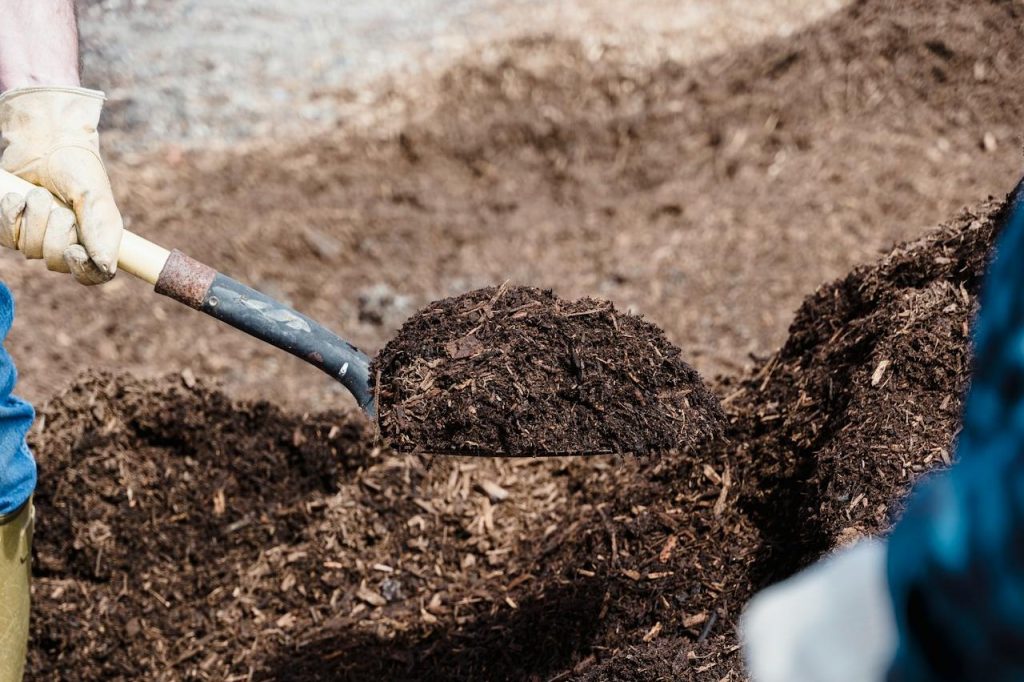
Well-decomposed manure can provide nutrients and microbial biomass, but maturity is non-negotiable. Raw or half-finished manure may carry salts and ammoniacal compounds that injure young roots. Mature material smells earthy, not sharp, and blends into the layer instead of forming sticky clumps. When quality is right, it improves crumb structure and supports steadier nutrient cycling.
Rate matters as much as maturity. Heavy loads create nutrient hotspots that push soft growth, then leave plants prone to stress. A moderate, even layer integrates better with loam and decomposing grass, allowing microbes to release nutrients gradually. That flow encourages deeper rooting, which is crucial in beds recovering from flood damage and wet-dry swings.
Watering Is Activation Not a Formality

The first full watering after layering is not a formality. It is the activation step. Moisture wakes microbial communities in decomposed organic matter and starts residue breakdown. If watering is too light, only the surface responds while lower layers stay inactive. If it is excessive on a compact base, oxygen drops and decomposition can shift toward sour pathways that slow root progress.
Use deep, measured wetting, then observe. Watch infiltration speed, surface settling, and next-day texture before watering again. In a functioning bed, moisture moves down, the profile stays springy, and worm activity increases. If those signals do not appear, adding more inputs rarely solves the issue. Recheck structure and layer balance first.
Run Small Bed Trials Before Scaling Up
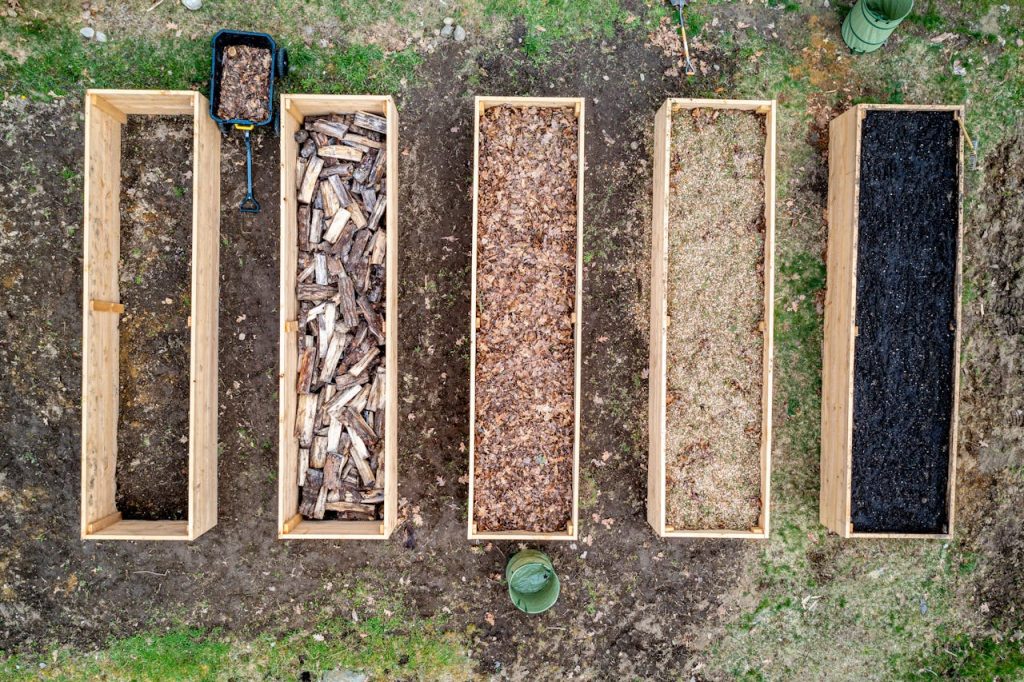
A practical recovery plan is to run controlled trials instead of one recipe garden-wide. Keep base prep constant, then vary one factor at a time: clipping thickness, loam depth, manure rate, or watering interval. This isolates cause and effect. In one season, it becomes clear which mix fits local rainfall, soil texture, and crop type without risking beds.
Simple notes make this useful. Track setup dates, rain response, seedling vigor, and root depth. Weekly photos reveal differences memory misses.
Local microconditions rewrite generic advice. A method can work in one corner and fail ten meters away due to shade, runoff direction, or subsoil change. Small trials protect seed, time, and confidence while turning recovery into repeatable practice.
A Better Harvest Comes From Living Structure
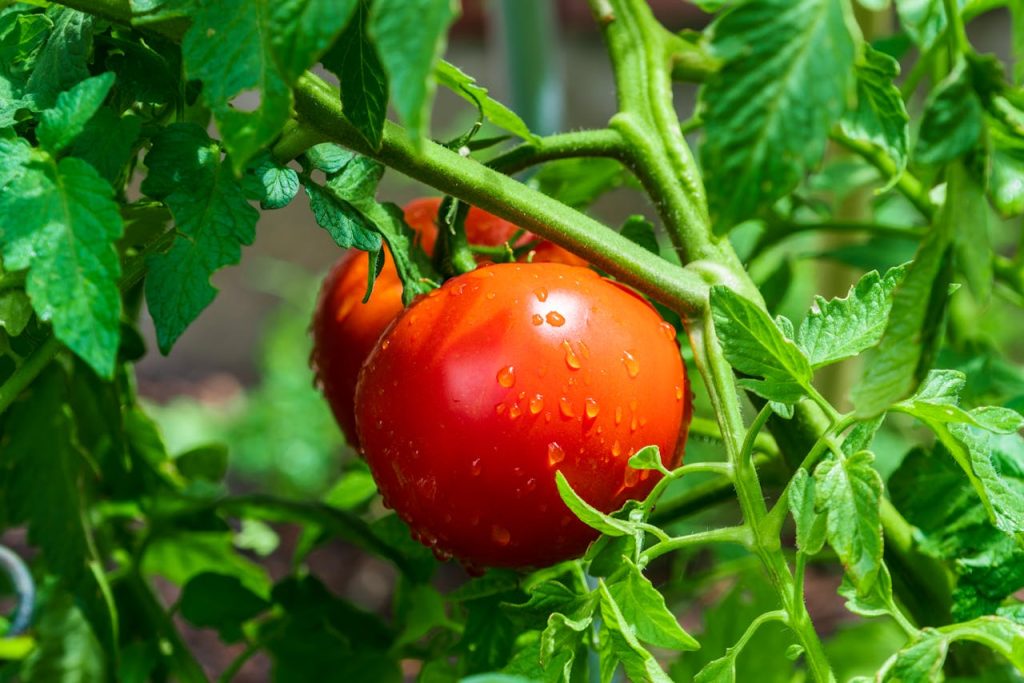
Layering can rebuild a damaged bed, but only when structure comes first and inputs are chosen deliberately. Break compaction, use dried grass, cover with balanced loam, apply manure moderately, and water to activate biology rather than drown it. Each step supports the next. Skip one, and the system weakens in ways that stay hidden until growth slows or roots stall near the surface.
The real goal is not a bed that looks neat on day one. It is a living profile that keeps breathing through heat, rain and crop turnover. When microbes, roots, moisture, and texture align, fertility becomes self-reinforcing and correction work drops. That is when post-flood recovery stops feeling like emergency repair and starts feeling like repeatable stewardship.