

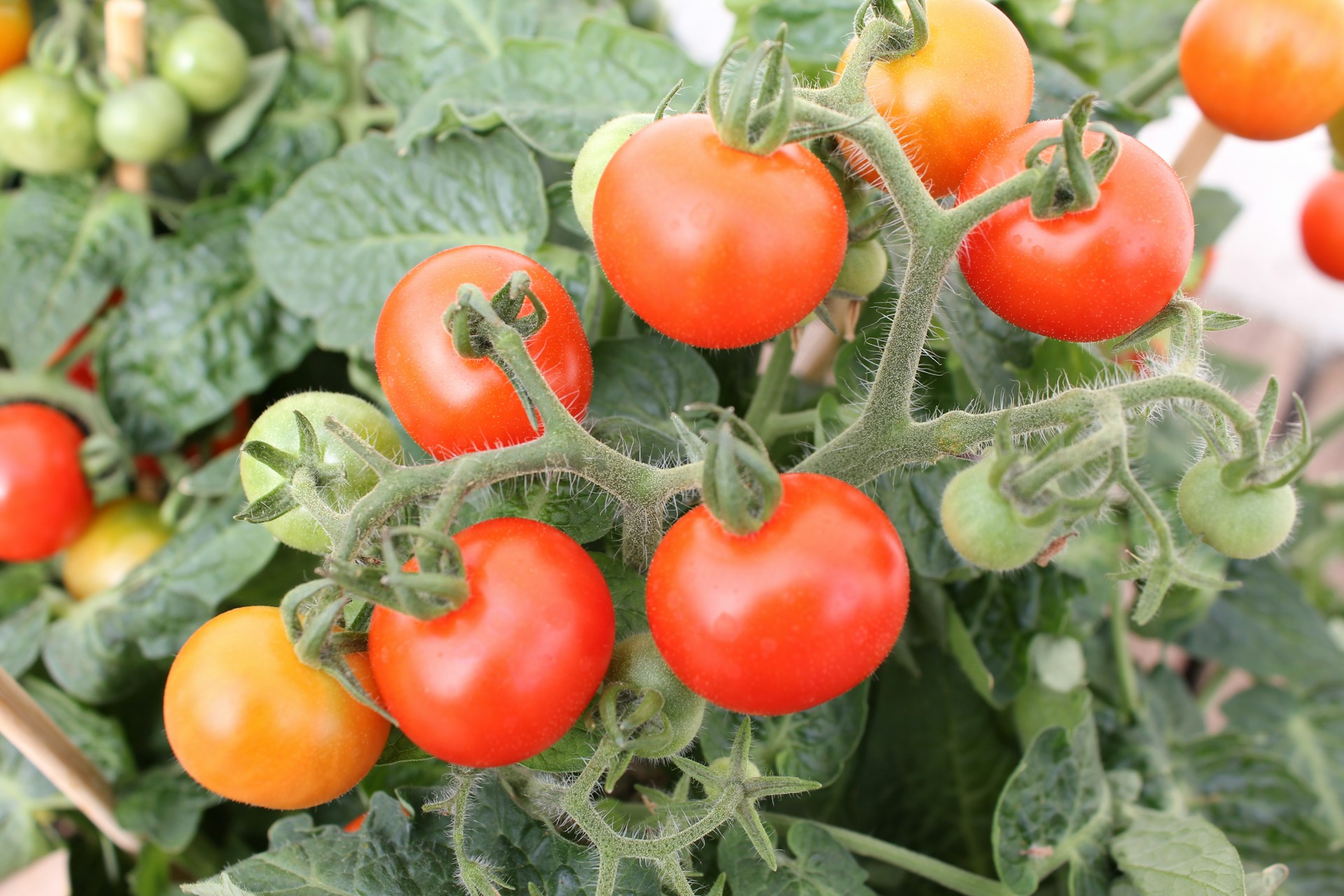
Tomatoes and peppers often stall after transplanting, and many gardeners misread that pause as a fertilizer problem. More often, the real bottleneck is cold soil. These crops are heat lovers, and their roots do not push hard until the ground warms. One simple step changes the pace: pre-warming the bed before planting. When root-zone temperature rises first, plants settle faster, hold color, and move into flowering with less delay. It is a practical shift, not a fancy trick, and it works in backyard plots, raised beds, and container setups.
Warm The Soil Before Planting, Not After

The core move is simple: cover the bed with black plastic or black landscape fabric seven to 14 days before transplanting. That dark surface absorbs sunlight and raises temperature in the top few inches where new roots form first. On planting day, small X-shaped cuts keep heat loss low while giving seedlings room to sit cleanly in place. This early warmth reduces transplant lag, especially during spring swings. Tomatoes and peppers do not need perfect weather to start well, but they do need soil that is warm enough to let roots work.
Use A Soil Thermometer To Time The Start
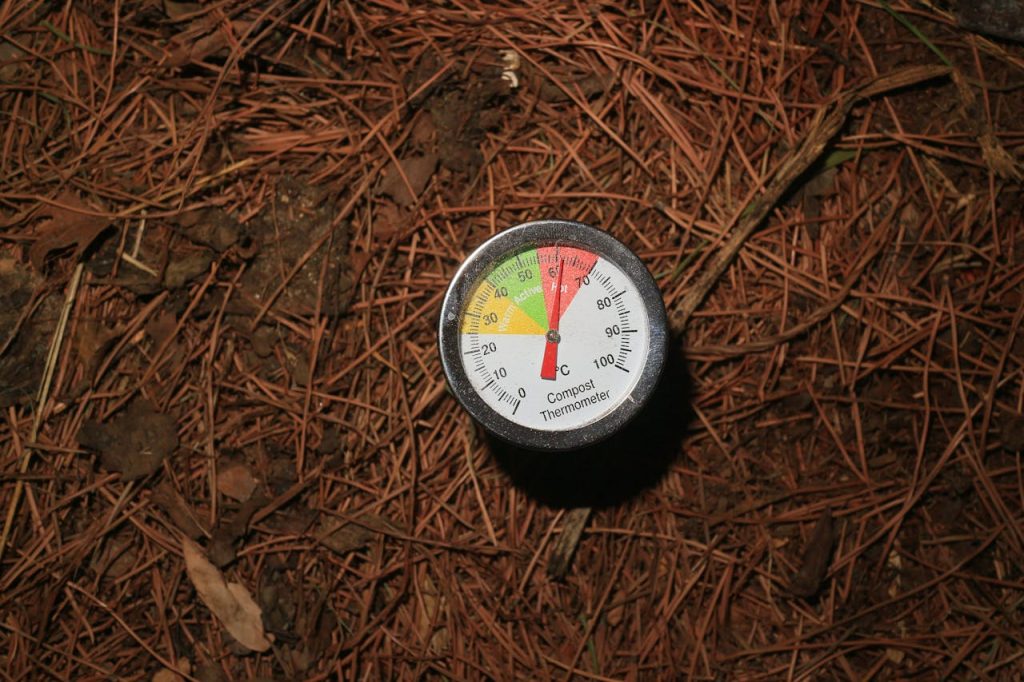
Air temperature can feel perfect while soil stays too cool. A basic soil thermometer removes guesswork and prevents early setbacks. Tomatoes usually perform best once soil is near 60°F, while peppers generally prefer warmer conditions, often closer to 65°F or higher for steady growth. If a bed reads cold in the morning, waiting a few days can save weeks of recovery later. Timing by soil, not hope, creates stronger transplants. Growth becomes smoother, leaf color stays deeper, and early flowers are less likely to stall or drop.
Keep Moisture Steady Under The Cover
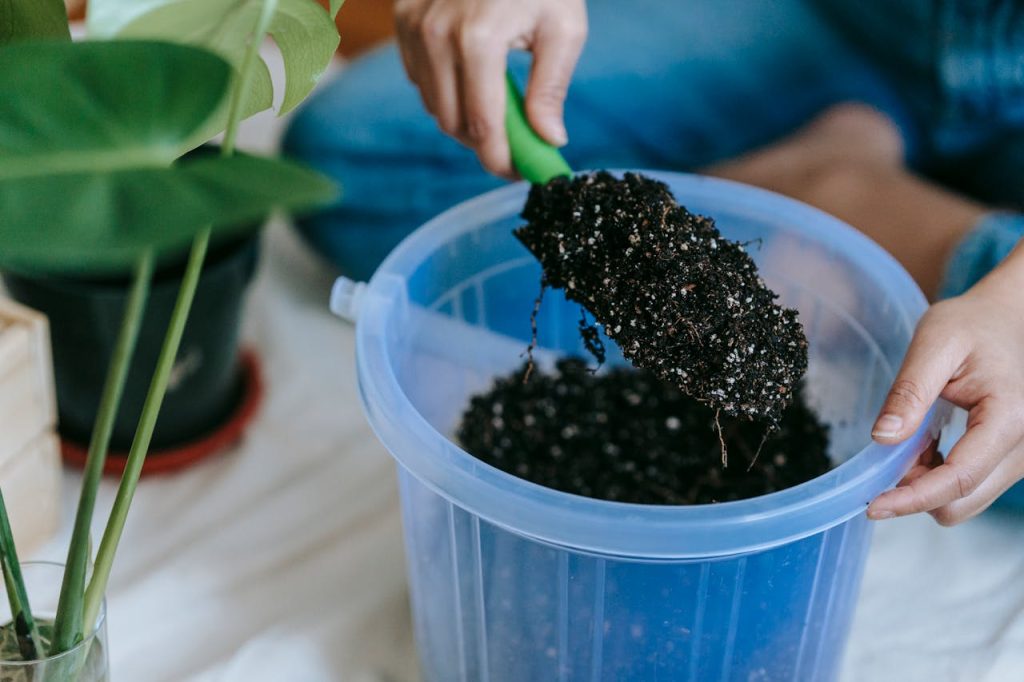
Warm soil speeds root activity, but moisture has to keep up. Under plastic, rainfall rarely reaches roots evenly, so watering must be deliberate. A deep soak at planting, then slow watering at the base, keeps the root zone active without flooding it. Drip lines work well because they deliver water where roots are expanding, not across dry surface zones. Consistency matters more than volume. When moisture swings from dry to soaked, plants pause. When soil stays evenly damp and warm, they keep building without those stop-start stress cycles.
Give Tomatoes A Better Root Framework Early
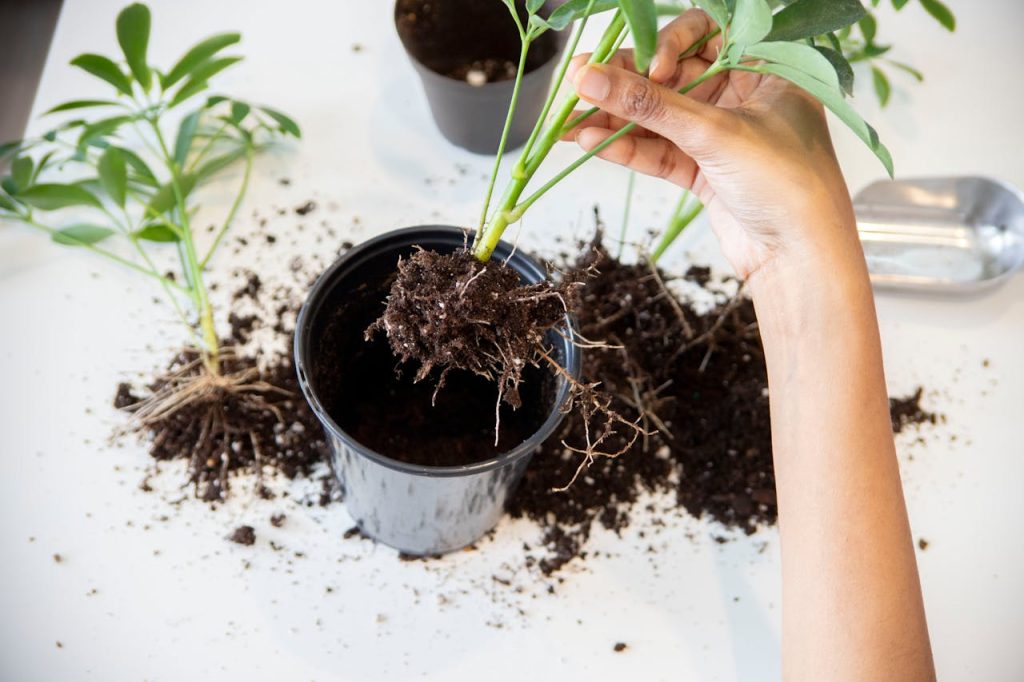
Tomatoes benefit from warmth in a special way because buried stem tissue can form extra roots. In warm soil, that process happens faster and creates a broader root system early in the season. More roots mean better water uptake, steadier nutrient flow, and stronger top growth when weather shifts. Setting transplants slightly deeper, with lower leaves removed, supports that response. The plant stabilizes quickly, then redirects energy into leaf area and flower clusters instead of survival mode. Early root confidence often predicts better midseason fruit set and fewer growth stalls.
Help Peppers Skip Their Usual Slow Phase
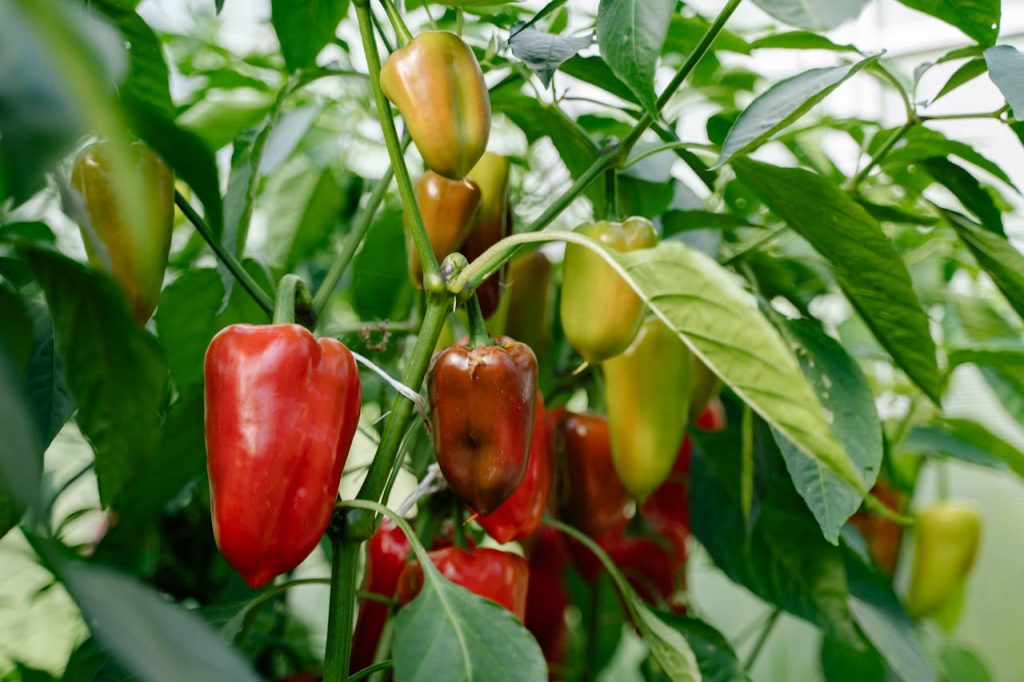
Peppers are famous for slow starts, and cool soil is usually the reason. Even healthy seedlings can sit still for days if roots stay cold. Pre-warmed beds reduce that pause and help plants maintain turgor, color, and leaf expansion after transplanting. Peppers do best when planted at the same depth as their nursery pots, not deeply buried like tomatoes. Keeping the surrounding soil warm while respecting planting depth gives them the best runway. Once they establish in warmth, branching improves, bloom timing tightens, and yield comes earlier.
Use The Cover To Reduce Weeds And Splash
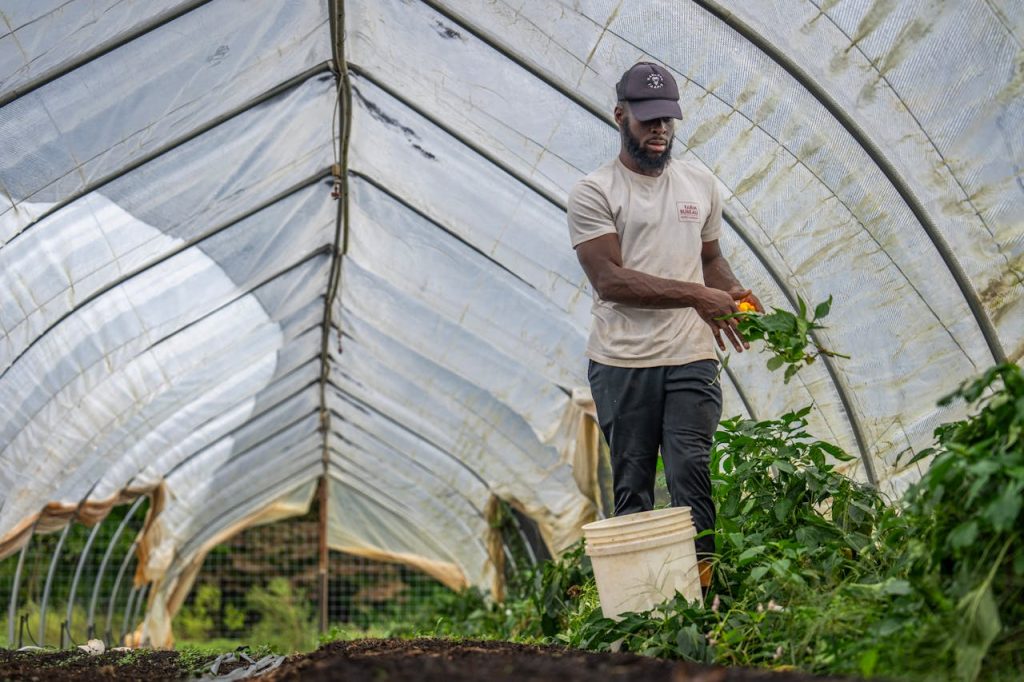
The same cover that warms soil also blocks light from reaching weed seeds, which cuts early competition for water and nutrients. That matters most when transplants are small and vulnerable. It also reduces soil splash during watering and spring rain, keeping lower leaves cleaner and limiting disease pressure from soil contact. Cleaner foliage, fewer weeds, and steadier moisture create a calmer growth environment overall. Instead of spending early weeks on rescue work, gardeners can focus on support, pruning, and airflow while plants continue building momentum.
Adjust As Summer Heat Builds
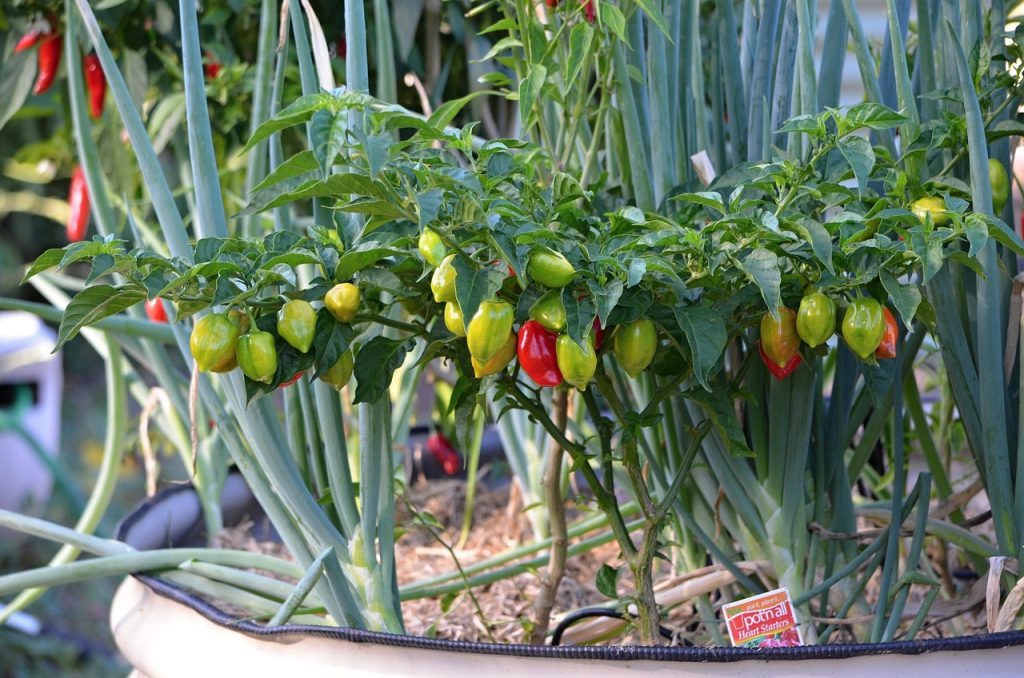
Black cover is excellent in cool spring conditions, but heat management matters once summer intensifies. If afternoon wilt appears despite moist soil, the bed may be running too hot at the surface. Small ventilation openings, lighter organic mulch between plants, or a partial switch to breathable fabric can moderate temperature without losing all the early gain. The goal is stability, not maximum heat forever. Plants that started fast still need balanced conditions to hold flowers and size fruit. Smart adjustments keep growth steady instead of forcing a midseason reset.
Apply The Same Logic To Containers And Raised Beds
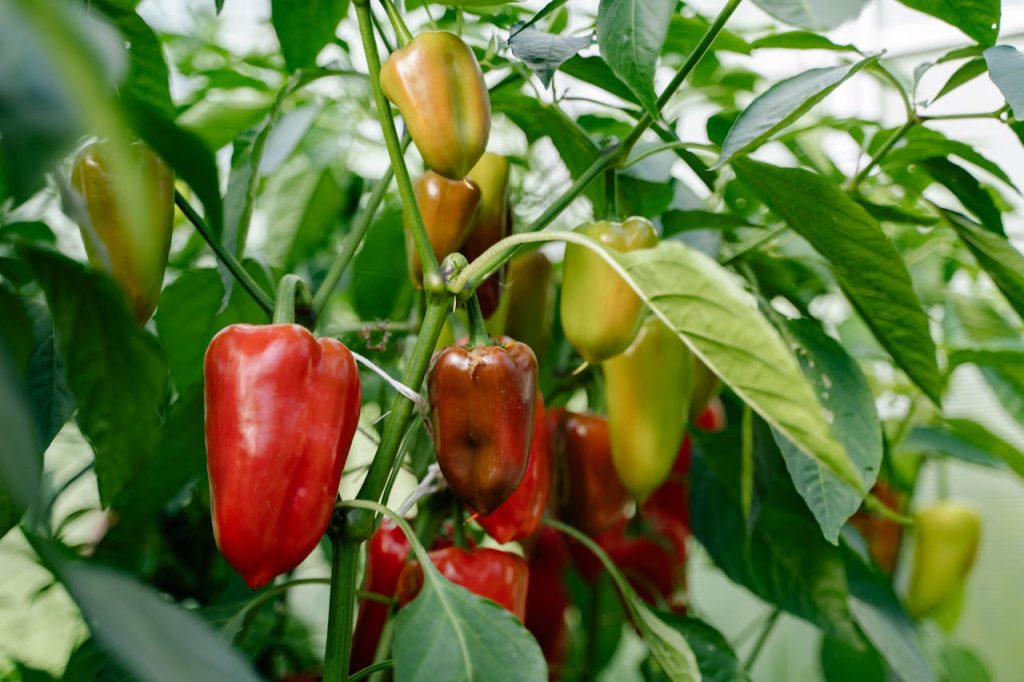
This method is not limited to in-ground plots. Raised beds warm quickly and respond very well to pre-covering before planting. Containers can also benefit, especially in cool nights, because root-zone temperature shifts faster in pots than in open soil. Dark pots in morning sun or removable dark wraps can lift early temperature enough to improve establishment. The tradeoff is quicker drying, so irrigation has to be tighter. Warmth and moisture must move together. When they do, container tomatoes and peppers gain the same early-season acceleration as bed-grown plants.
Avoid The Three Mistakes That Cancel Results
Most disappointing outcomes trace to three preventable errors: loose cover edges, large planting cuts, and irregular watering. Loose edges vent warmth, wide cuts leak heat, and inconsistent watering interrupts root expansion right when plants should be accelerating. Another common issue is planting into cold soil just because daytime air feels pleasant. The fix is straightforward: pin edges tight, keep openings small, water deeply and consistently, and plant based on soil temperature readings. Those basics sound simple because they are simple, and they are exactly what makes the tip reliable.
A garden does not need more complexity to perform better. It needs the right condition at the right moment. Pre-warming soil gives tomatoes and peppers that condition early, when establishment decides the season. Once roots feel steady heat and steady moisture, the rest of the plant follows with confidence.
Leave a Reply