

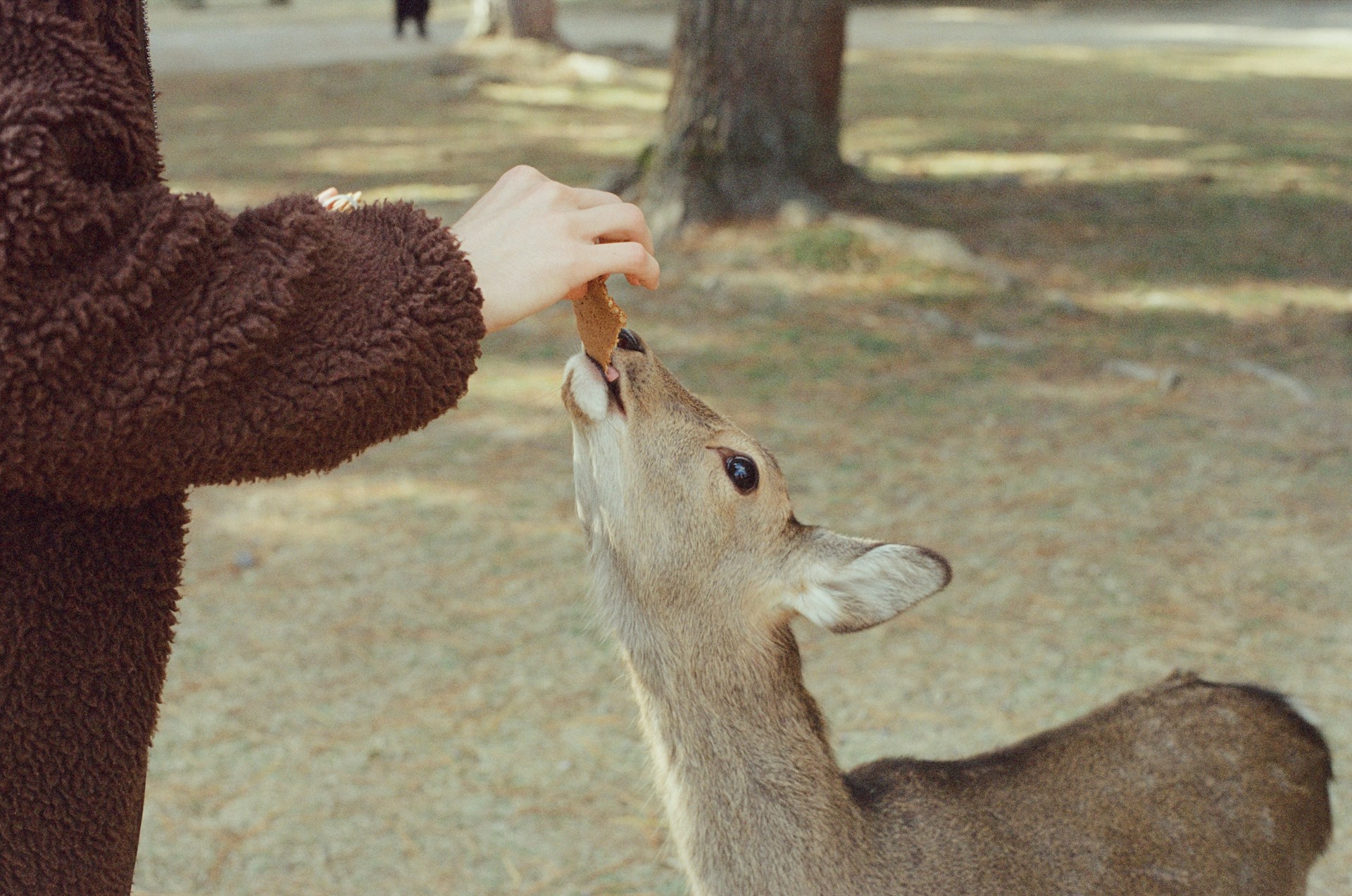
Most people assume wildlife rules are just about obvious cruelty. The law is usually broader than that. In many U.S. jurisdictions, feeding, touching, teasing, chasing, or otherwise disturbing wild animals can trigger enforcement, especially on public lands and around protected species. That means a moment that feels harmless can still cross a legal line.
What this really means is simple: consequences can be expensive, and sometimes criminal. Federal and state systems both apply, and they stack in ways people do not expect. A single incident can produce a citation, court appearance, and in serious cases misdemeanor or higher charges, plus penalties tied to species protection laws. This is why wildlife officers treat contact and feeding as prevention issues, not minor etiquette problems.
The Law Covers More Behavior Than People Realize
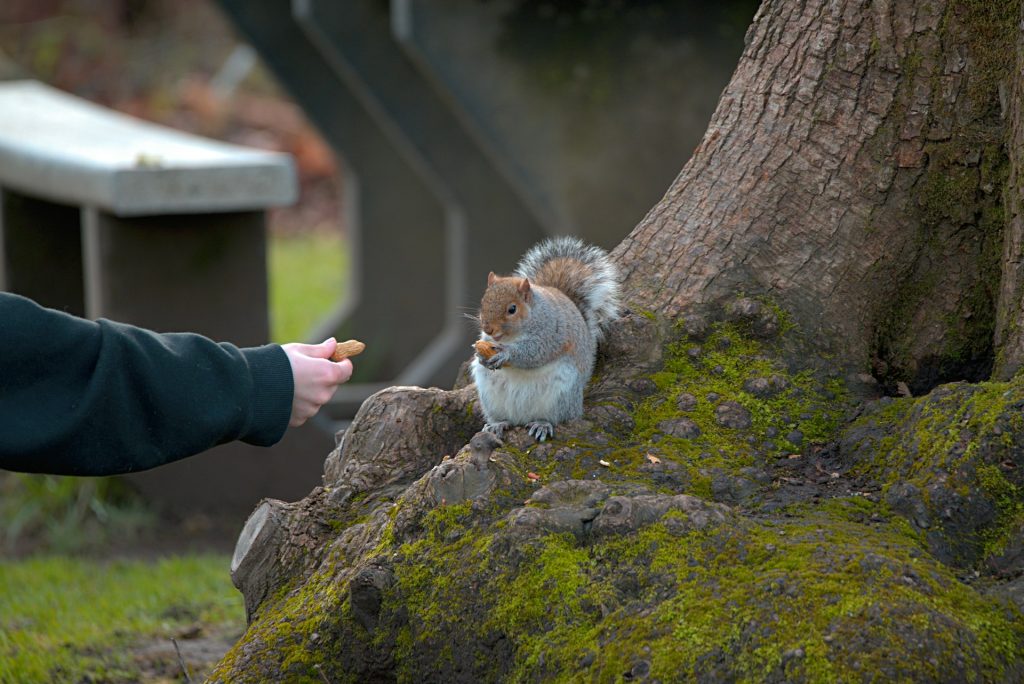
Wildlife law is not limited to killing or poaching. On many protected lands, the prohibited conduct includes feeding, touching, frightening, and intentionally disturbing animals, even when no injury is obvious. Marine rules go further by explicitly barring feeding or harassing protected mammals such as dolphins, whales, seals, sea lions, and manatees. If the animal changes behavior because of human contact, agencies often treat that as the core harm.
The key trap is context. People copy what they saw online, then do it in a park, on a dock, or near a nesting area where specific regulations apply. The same act that seems casual in conversation can become a violation when it happens in regulated habitat, near listed species, or in places where approach distances are mandatory. If you do not know the local rule, you are guessing with legal risk.
National Parks Set Hard Boundaries
In National Park Service areas, federal regulation explicitly prohibits feeding and touching wildlife, along with teasing, frightening, or intentional disturbance. Those rules are written in the CFR, not just on signs. So the legal baseline is already stricter than many visitors think before they arrive. Rangers are enforcing a regulation, not giving lifestyle advice.
At Yellowstone, visitors are told to stay at least 25 yards from most wildlife and 100 yards from bears and wolves. Crossing that distance can move a bad decision into a citation scenario.
Penalty authority is also formal. NPS penalty regulation points to federal criminal penalties under 18 U.S.C. 1865, which provides for fines and up to six months imprisonment. Park guidance commonly frames that exposure as fines that can reach thousands of dollars, plus jail time. The exact case outcome varies, but the ceiling is serious enough that one selfie is a poor gamble.
If a ranger says back up, do it immediately. Delay is where many minor encounters become legal problems.
Marine Wildlife Rules Are Even Less Forgiving
For marine mammals, federal guidance is explicit: feeding or harassing wild animals is illegal, and responsible viewing requires distance. NOAA guidance also recommends at least 50 yards from dolphins, porpoises, and seals, with larger buffers for some species and locations. In plain terms, swimming close, touching, or conditioning animals to expect handouts is exactly what enforcement is built to stop.
Consequences here are not symbolic. NOAA materials note that dolphin feeding violations can be prosecuted civilly or criminally, with penalties that can reach up to $100,000 and up to one year in jail in applicable cases. NOAA enforcement guidance also lists modern civil and criminal caps used in marine mammal cases, reinforcing that this is real law, not optional guidance.
State Rules Can Escalate Fast
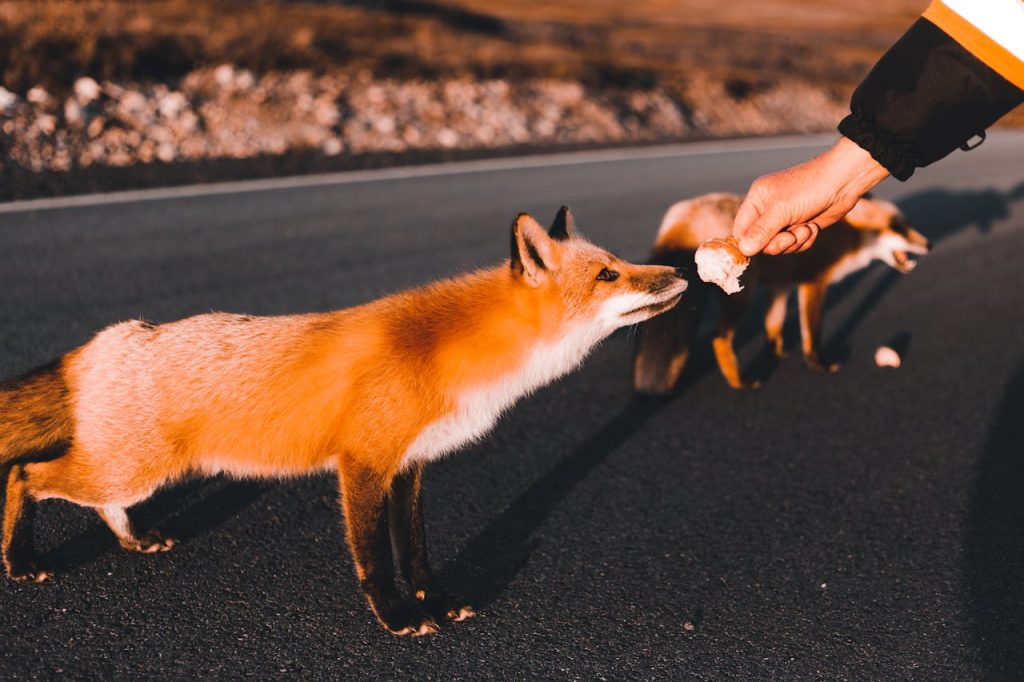
State law is where people often get surprised. Florida’s statute on feeding wildlife lays out a clear escalation path: initial civil penalty, then criminal exposure for repeat conduct, with stronger consequences in alligator and bear related repeat violations. It is a written ladder from ticket level behavior to misdemeanor and, in some repeat scenarios, felony level outcomes.
Even the first step is not always just a warning. Miss court or ignore the citation, and legal exposure can increase quickly.
Colorado provides another clear example. The state notes that intentional feeding of several species, including deer, elk, mountain lions, and bears, is illegal, and it flags both intentional and inadvertent feeding as drivers of conflict. The posted penalty reference is straightforward, but the bigger message is that states regulate this behavior to prevent attacks, habituation, and repeat incidents near homes.
So yes, the rules are a patchwork. But across states, the direction is consistent: less tolerance for feeding and close contact.
Picking Up Baby Wildlife Can Also Break Rules
People often intervene with good intent and still step into violations. For migratory birds, possession, transport, and rehabilitation are permit controlled activities, and federal guidance points people toward licensed rehabilitators rather than personal handling. That means taking a wild chick or injured bird home can create legal and welfare problems at the same time.
Health risk is part of this, not a separate issue. CDC guidance on rabies exposure repeatedly emphasizes avoiding direct contact with bats and other wild mammals and acting quickly after potential exposure. So the legal warning and medical warning point in the same direction: do not handle wildlife unless you are trained and authorized to do it.
Social Posts Make Enforcement Easier
A lot of people treat wildlife clips as harmless content. In practice, those same clips can show distance violations, feeding behavior, or direct contact that agencies already define as illegal in regulated contexts. NOAA actively asks the public to report marine mammal violations and provides a hotline, which shows how seriously these incidents are tracked.
The bigger point is that proof is easier now. Location tags, timestamps, and clear visuals remove ambiguity that used to protect bad behavior. If a case involves protected species or repeated conduct, online visibility can increase consequences rather than reduce them.
Why Penalties Are Structured This Way
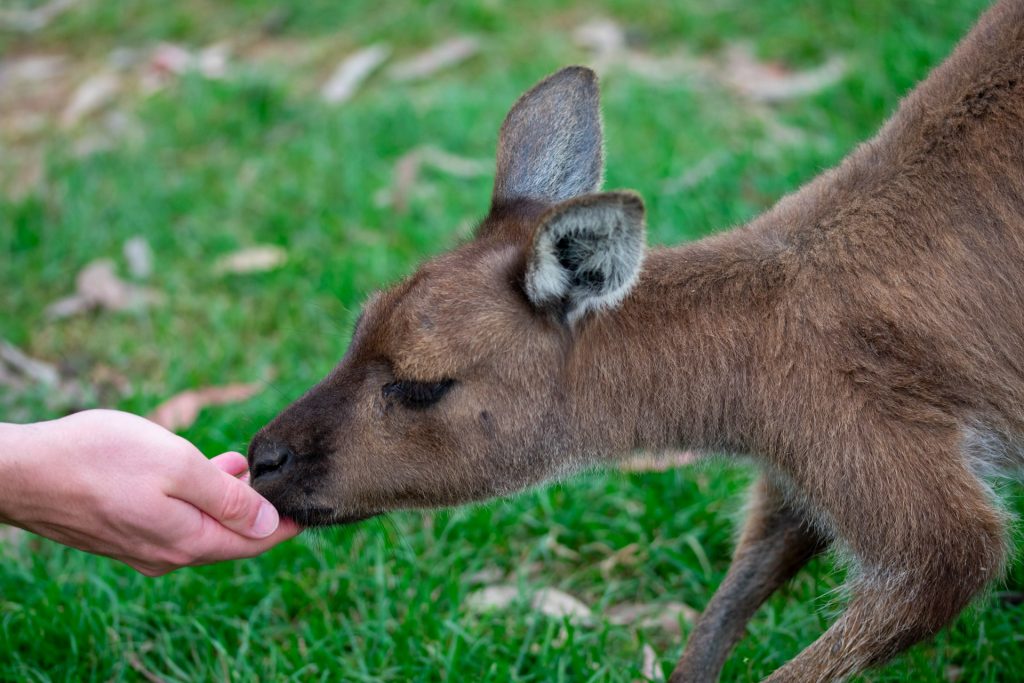
Feeding changes wildlife behavior. NOAA explains that fed marine mammals can lose natural wariness, alter feeding patterns, and become more likely to get injured by gear, boats, or retaliation. National park guidance makes the same logic visible on land: once animals associate people with food, conflict climbs and outcomes for wildlife get worse.
Public safety is the other half. Animals conditioned to approach humans can become aggressive around food, and disease exposure risk rises when people handle wild animals directly. This is exactly why agencies pair behavior rules with strong penalties instead of relying on polite reminders.
Penalty schedules also show legislative intent to deter repeat harm. FWS civil penalty tables now list substantial adjusted maximums for ESA, Lacey Act, and MMPA related violations under its jurisdiction, confirming that wildlife contact offenses can carry major financial consequences even before criminal sentencing enters the picture.
What Legal, Low-Risk Wildlife Viewing Looks Like
Stay far enough away that your presence does not change behavior. Do not feed, do not touch, and do not attempt reaction videos with wild animals. Use binoculars or a zoom lens, secure food and garbage, and follow posted distances even when other visitors ignore them. If local rules are stricter than your usual routine, local rules win.
If you witness risky behavior, report it to the responsible agency instead of confronting people near wildlife. That protects you, supports enforcement, and gives animals a better chance to stay wild. Legal compliance here is not about fear. It is about understanding that one human shortcut can create long consequences for both people and animals.
Sources
- eCFR: 36 CFR 2.2 Wildlife protection
- eCFR: 36 CFR 1.3 Penalties
- U.S. Code: 18 U.S.C. 1865 National Park System regulations and penalties
- Yellowstone National Park wildlife safety distances
- NOAA Fisheries: Feeding or Harassing Marine Mammals in the Wild (FAQ)
- NOAA Fisheries: Protect Wild Dolphins
- Florida Statute 379.412: Penalties for feeding wildlife and freshwater fish
- Colorado Parks and Wildlife: Feeding Wildlife is Illegal
- USFWS: Migratory Bird Permits
- USFWS: Migratory Bird Rehabilitation Permit
- CDC: Rabies and wildlife exposure guidance
- eCFR: 50 CFR 11.33 Adjustments to penalties