

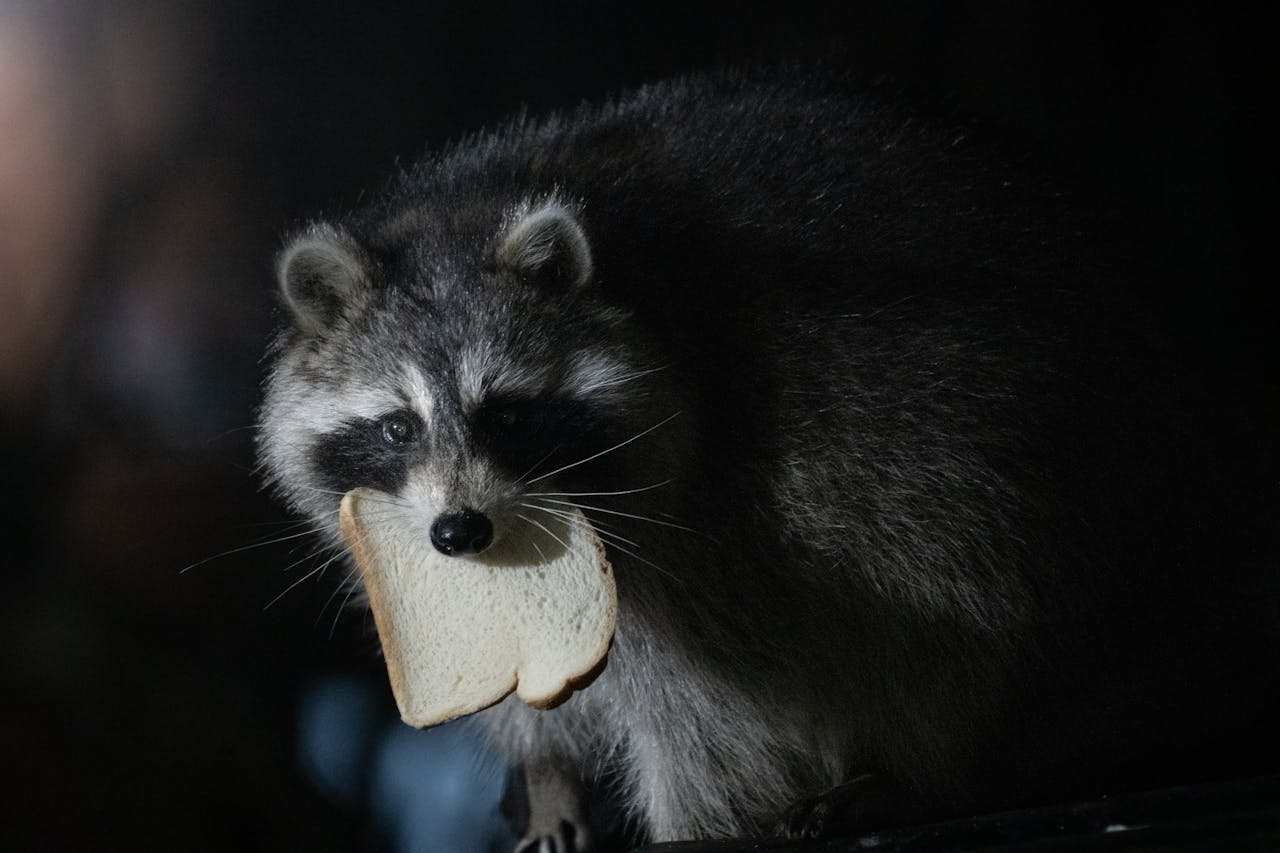
In many neighborhoods, the first sign of a raccoon problem is not a sighting at all but a torn bag, a tipped bin, and scraps scattered across a quiet curb by sunrise. Urban wildlife teams see the same pattern again and again: a few small sanitation habits turn a single nighttime visit into a steady route, especially where pickup happens early.
Raccoons are adaptable, food-driven, and mostly active after dark, so trash areas become easy targets when smells linger, lids shift, or other food sits nearby. Once a reliable food source appears, the mess often repeats until the setup changes, not until the animal gives up for good.
Putting Trash Out Too Early
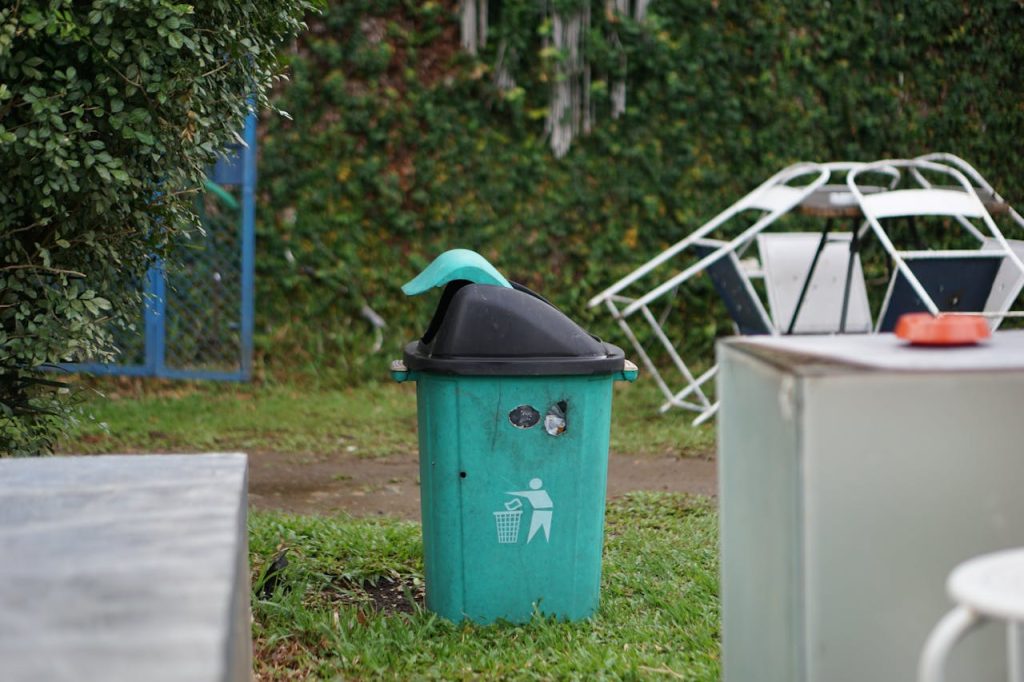
One of the most common mistakes happens before the lid even closes: bins go to the curb the night before pickup and sit through peak raccoon hours. Night-active scavengers learn that timing quickly, and a quiet street can become a dependable feeding stop before dawn, block after block, with almost no effort.
Wildlife guidance from extension and humane groups keeps repeating the same fix because it works: store garbage in a protected space and roll it out close to collection time, ideally in the morning. Changing timing does not remove all risk, but it breaks the easiest opportunity and makes the route less predictable.
Using Lids That Do Not Truly Seal
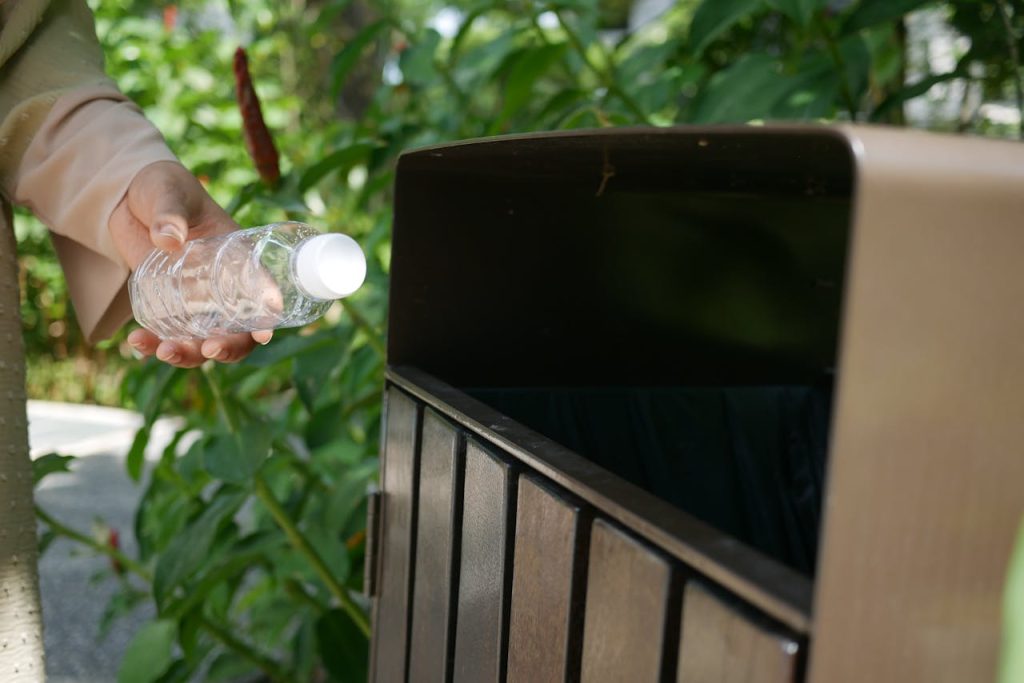
A lid that rests loosely on top may look closed to people, but raccoons work edges, gaps, and handles with surprising persistence. Once they get a small opening, they can pry, shift, and pull until the bin releases enough scent and access to reward the effort, and that success trains a repeat visit.
State wildlife agencies regularly recommend tight lids, locking lids, or simple hold-down methods such as straps, rope, weights, or bungee cords. The point is not decoration but resistance: a can that stays shut after repeated pawing stops teaching raccoons that every bin opens after a minute of effort. That simple friction matters.
Leaving Cans Easy To Tip Over
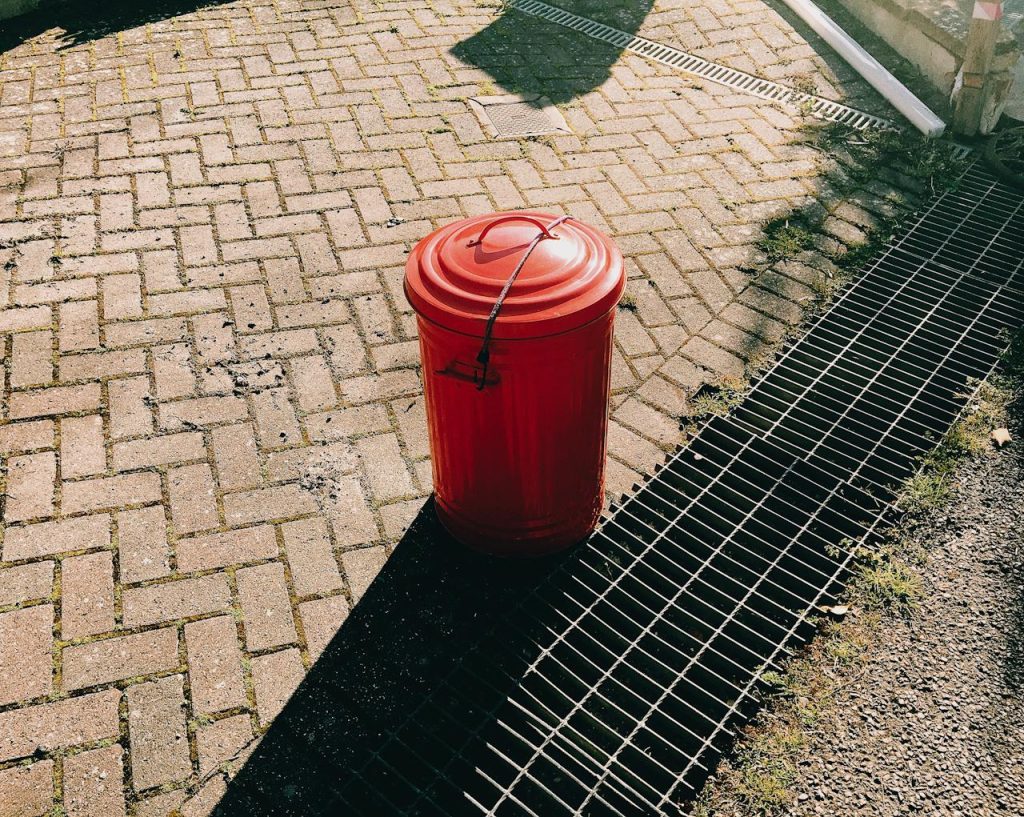
Many trash raids start with a flip, not a lid lift. When a bin is lightweight, overbalanced, or standing loose beside a wall, a raccoon can knock it over, pin the lid, and sort through waste at ground level where loose scraps spill fast and scent spreads across the pavement.
Wildlife control guidance often suggests anchoring cans, placing them in a rack, or tying them to a post or wall so tipping becomes difficult. A stable bin changes the whole game, because raccoons lose the leverage that makes ordinary lids easier to defeat and stop getting rewarded for brute force. The harder the tip, the less the payoff. At night.
Letting Odors Build Up In The Can
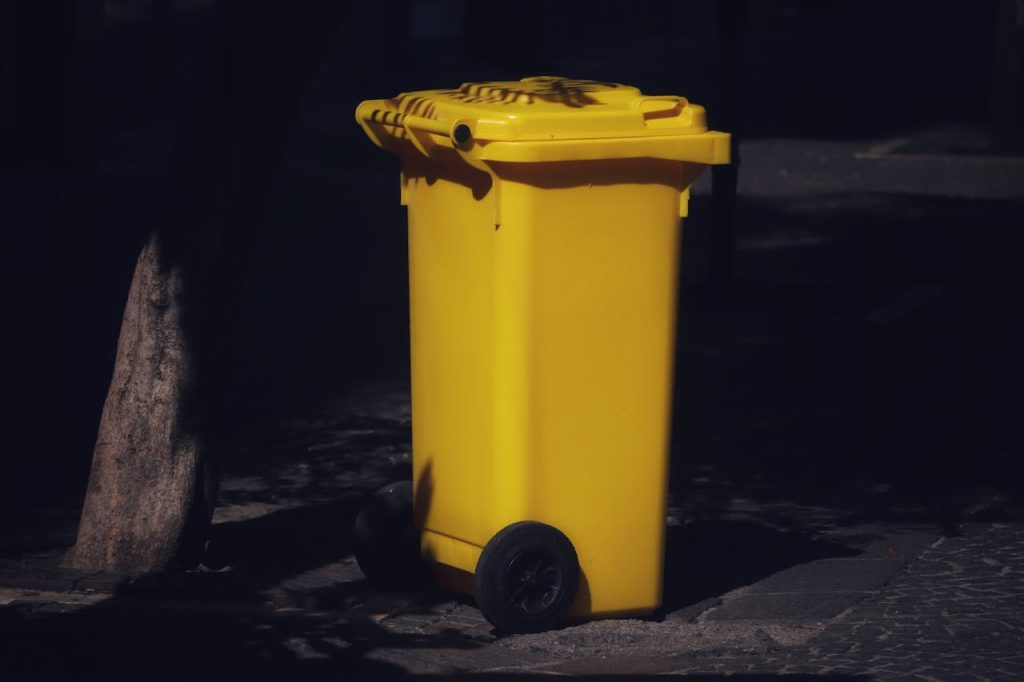
Even when trash is bagged, the can itself often becomes the real attractant. Drips from food packaging, old liquids, and residue in seams keep releasing scent long after pickup day, so a freshly emptied bin can still smell like a reliable meal station when the air warms up at night.
Wildlife prevention specialists advise cleaning cans regularly and repairing cracks or holes that trap waste and leak odor. That maintenance step gets skipped all the time, but it matters because raccoons follow smell first, and they return to places that keep advertising food between collections. A quick rinse after pickup reduces that scent trail.
Treating Recyclables Like They Have No Smell
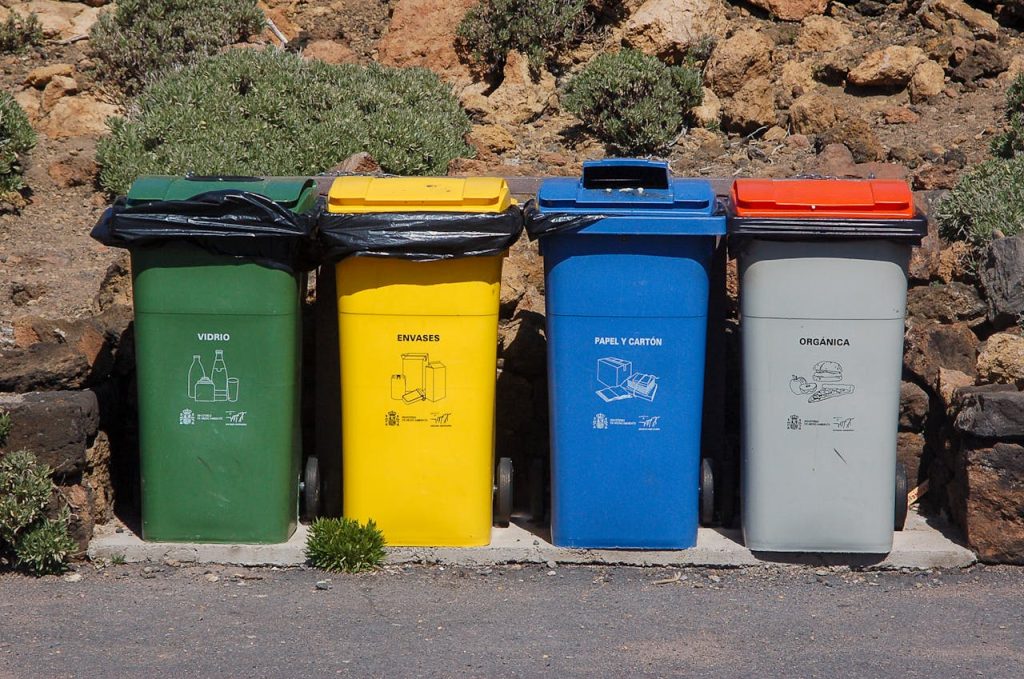
A recycling bin packed with unrinsed cans, takeout containers, and sticky bottles can draw as much attention as regular garbage, especially in warm weather. To a raccoon, sugar residue, cooking oils, and food films still register as a profitable stop even when nothing looks edible at a glance.
Urban wildlife advice on sanitation is broader than trash alone for that reason: food spills, seed spills, and waste residue all reinforce foraging routes. When recyclables are rinsed and the bin stays closed, the area stops broadcasting a mixed signal of easy calories and late-night leftovers. Warm nights make that odor plume stronger.
Leaving Pet Food And Bird Seed Nearby
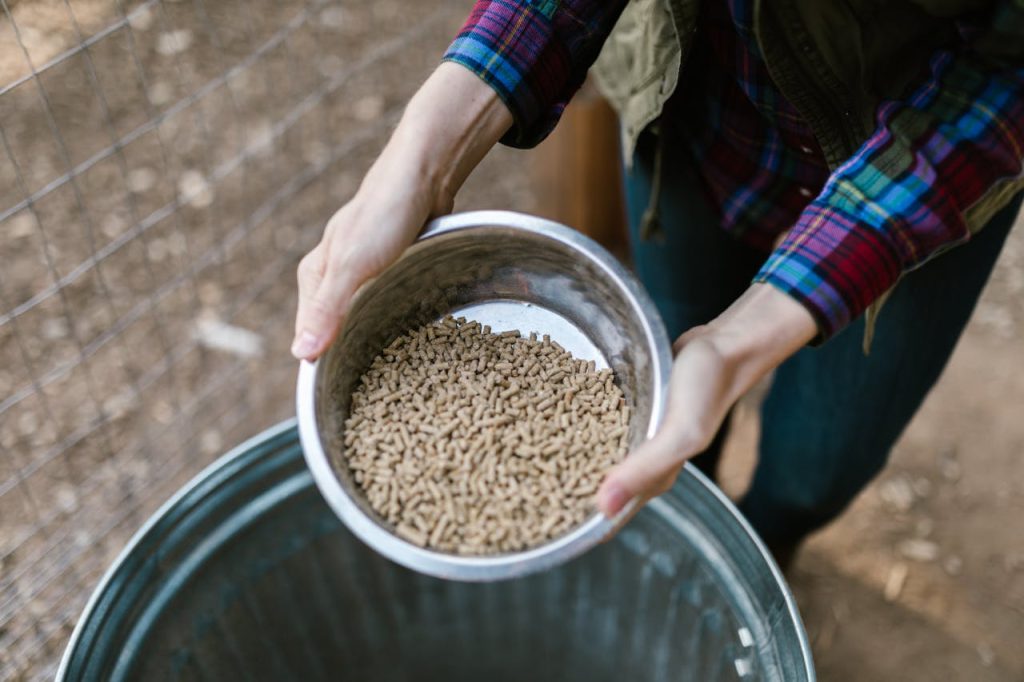
Trash control often fails because the bin is not the only food source in the yard. Pet bowls on porches, spilled bird seed, and fallen fruit can keep raccoons visiting the same space, and once they are already there, the garbage can gets checked too as part of the same loop.
Wildlife agencies and humane organizations consistently recommend removing pet food before nightfall, cleaning seed spills, and avoiding intentional feeding. Raccoons are opportunistic, so reducing nearby rewards makes the trash can less interesting, and it lowers the chance that a nightly habit becomes permanent. That pattern is why single fixes often fail.
Keeping Compost Open Or Too Tempting
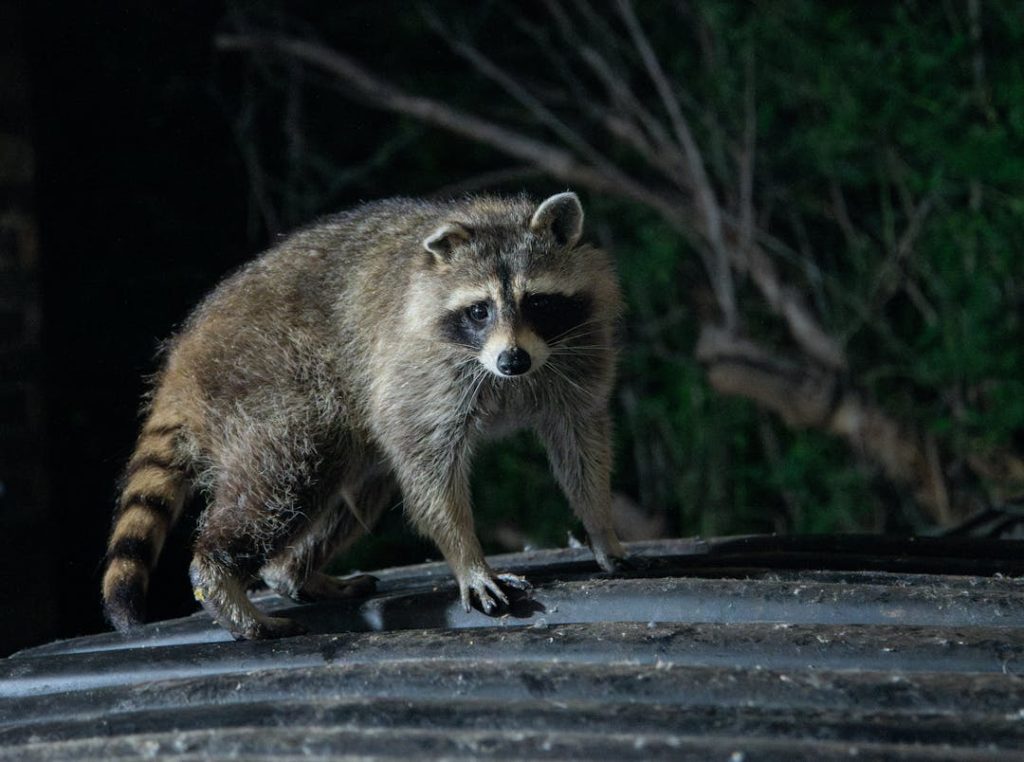
Compost becomes part of the trash problem when it is left open, loosely covered, or filled with the wrong scraps. A raccoon that finds peels, leftovers, or a soft pile to dig through near the bins has little reason to stop at only one food source on the property that night.
Extension guidance frames compost as an attractant that should be enclosed in a sturdy container or hardware-cloth setup, and it specifically warns against adding meat or cooked food. A cleaner compost system reduces odor, digging, and repeat visits that often get blamed on the trash can alone. It keeps the space from smelling like two feeding stations at once.
Skipping Safe Cleanup After Raccoon Messes

A final mistake is treating every raccoon mess like ordinary litter and rushing through cleanup bare-handed. Around decks, sheds, or bin corners where raccoons linger, droppings can create a separate health concern even after the food scraps and scattered packaging are gone.
CDC guidance on raccoon roundworm stresses gloves, careful cleanup, and proper disposal of feces-contaminated material, and it notes that heat kills eggs while many chemicals do not. Careful cleanup protects the household and keeps the trash area from becoming a repeat problem spot. It also helps stop contaminated dust from spreading around storage areas.