

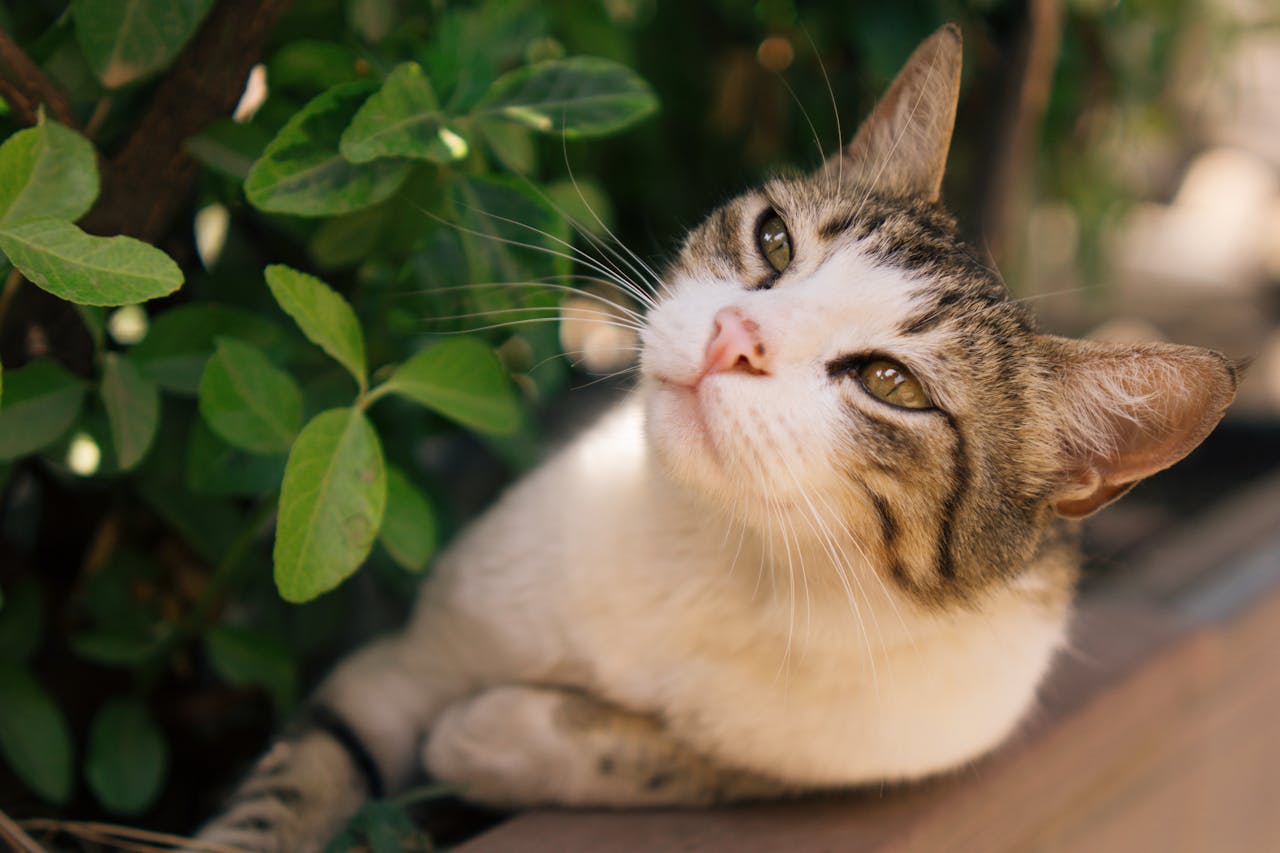
Pet owners usually face the same tradeoff indoors: keep greenery and worry about chewing, or skip plants and lose the calm that living foliage brings. The better path is smarter selection. ASPCA’s poison-control database and plant-specific profiles make it possible to choose species labeled non-toxic to cats and dogs, which is the first filter that matters in real homes with curious animals.
The second filter is light. Many homes have corners that are bright for only part of the day, and some rooms are simply dim. A handful of pet-safe plants handle those conditions well, especially when owners match each plant to realistic indoor light rather than ideal greenhouse light. Spider plant and cast iron plant are standout examples because both tolerate lower-light settings better than many popular houseplants.
What Pet Safe Actually Means in Veterinary Terms
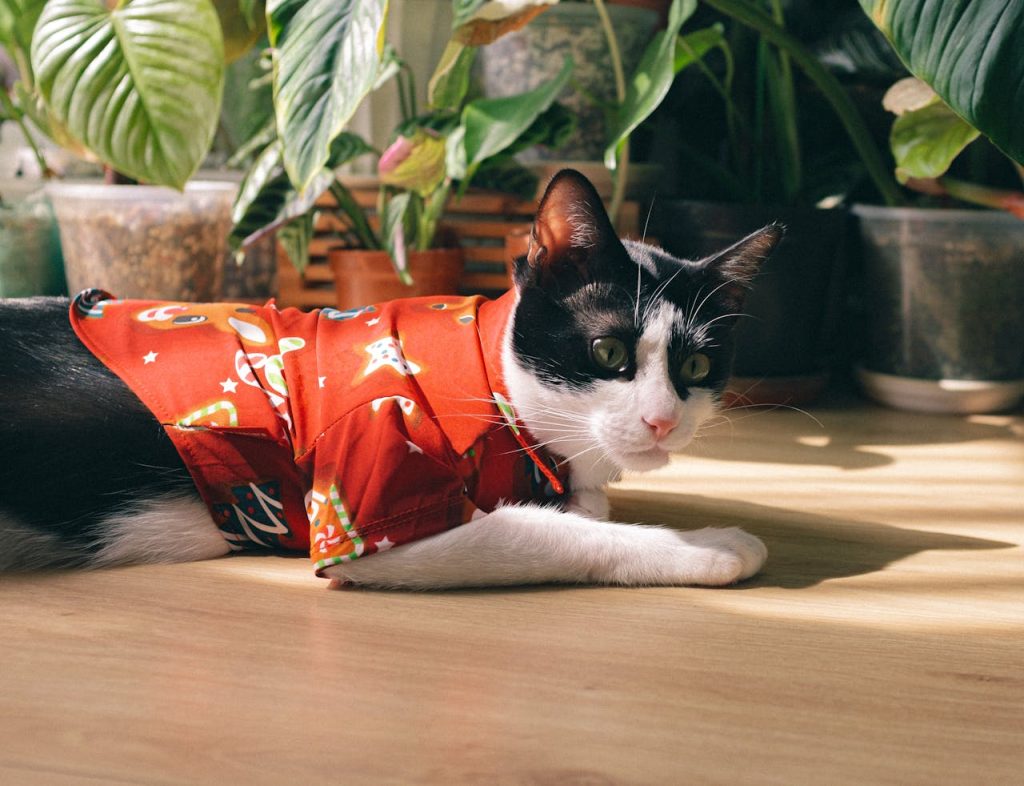
Non-toxic does not mean edible. That distinction gets missed all the time. Veterinary poison guidance repeatedly notes that eating plant material, even from non-toxic species, can still trigger mild gastrointestinal signs like vomiting or loose stool in some pets, especially if they chew a lot at once. So the goal is risk reduction, not permission for free grazing.
Name confusion adds another layer. Common names overlap, and different plants can sound almost identical at checkout. ASPCA entries are organized by both common and scientific names for a reason, and that extra step helps owners avoid dangerous mix-ups between a truly pet-safe option and a similarly named toxic one.
Reliable Low Light Picks That Are Also Pet Safe
Spider plant is one of the easiest places to start. ASPCA lists it as non-toxic to dogs and cats, and RHS notes it tolerates both bright and lower indoor light, which makes it practical for apartments and offices where sunlight shifts through the day. Cast iron plant is also ASPCA-listed as non-toxic and has a long reputation for handling low light and occasional neglect.
Cast iron plant earns its name honestly. It adapts to shade and still keeps a strong structure, which is why it works in darker corners where fussier plants decline.
Boston fern and areca palm are also ASPCA-listed as non-toxic for cats and dogs, and they bring a softer, fuller look than upright foliage plants. In most homes, they perform better in filtered light than in truly dark spots, so they are better placed near a bright window edge than at the back of a room. That placement keeps the leaves healthier while preserving pet safety.
African violet is another strong option for pet homes, especially where owners want color without added toxic risk. It is pet-safe, but it prefers bright, indirect light, so it belongs in gentle window light rather than deep shade.
Patterned and Flowering Options From Pet Safe Lists
Some of the most decorative plants on current safe lists are the ones people least expect. ASPCA guidance and related resources commonly feature friendship plant, spider plant, Boston fern, and zebra haworthia among safer choices, while prayer plant relatives sold as peacock or zebra-patterned foliage are often selected for similarly low-to-moderate light interiors. This makes it possible to build a varied indoor collection without relying on one leaf shape or one color family.
Moth orchid and baby rubber plant are frequently recommended in ASPCA pet-friendly roundups, giving households a flowering option and a compact foliage option that both fit the safety-first approach. Even then, placement matters: plants should still be positioned to discourage repetitive chewing, because the goal is minimizing stomach upset and avoiding unnecessary vet visits.
The One Risk That Still Remains
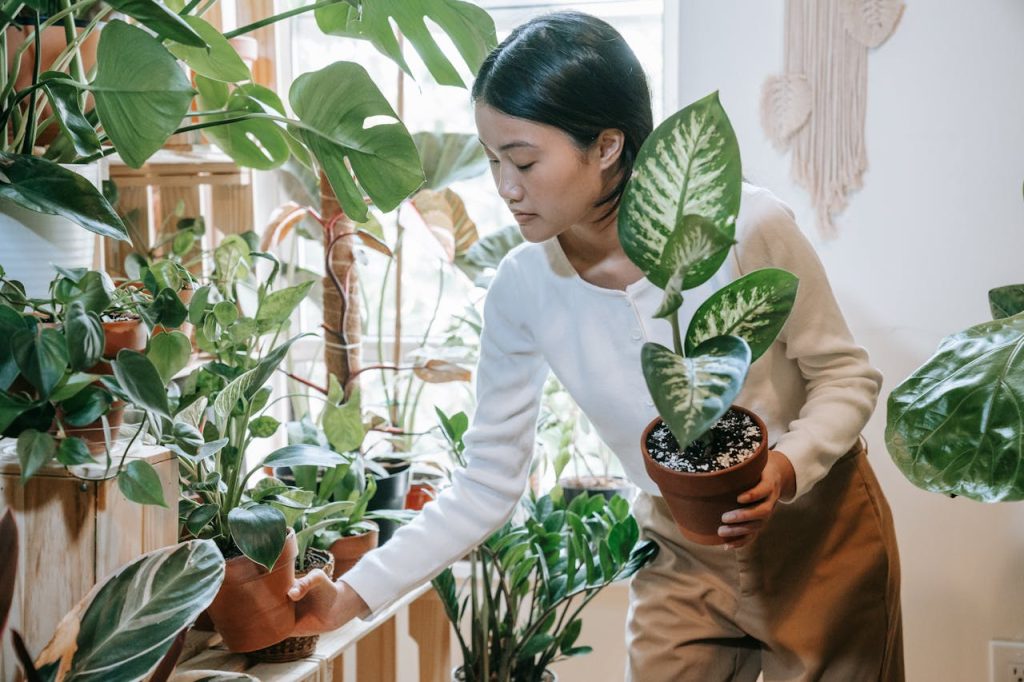
The remaining risk is not just the plant species. It is ingestion load plus contaminants on or in the pot. A cat that nibbles a leaf once may show no signs, while a bored dog that tears through leaves, potting mix, and residue can end up with clear GI distress. That is why veterinarians treat plant incidents as context-dependent, even when the plant is listed as non-toxic.
Fertilizers are a major part of that risk equation. ASPCA toxicology guidance notes that many exposures are mild, but larger amounts or added insecticides can cause more serious symptoms and need veterinary care.
Warning signs are straightforward: drooling, vomiting, diarrhea, abdominal pain, and sudden lethargy after chewing plants or digging in treated soil. Pet poison resources also flag that some products attract animals because of ingredients like bone meal, which can increase the chance of repeat exposure if products are left accessible. Fast action matters more than home remedies when symptoms escalate.
If ingestion is suspected, owners should contact a veterinarian or ASPCA Poison Control promptly and provide the plant name or photo. Quick identification often shortens treatment time and reduces complications.
How to Set Up a Pet Home So Plants and Animals Coexist
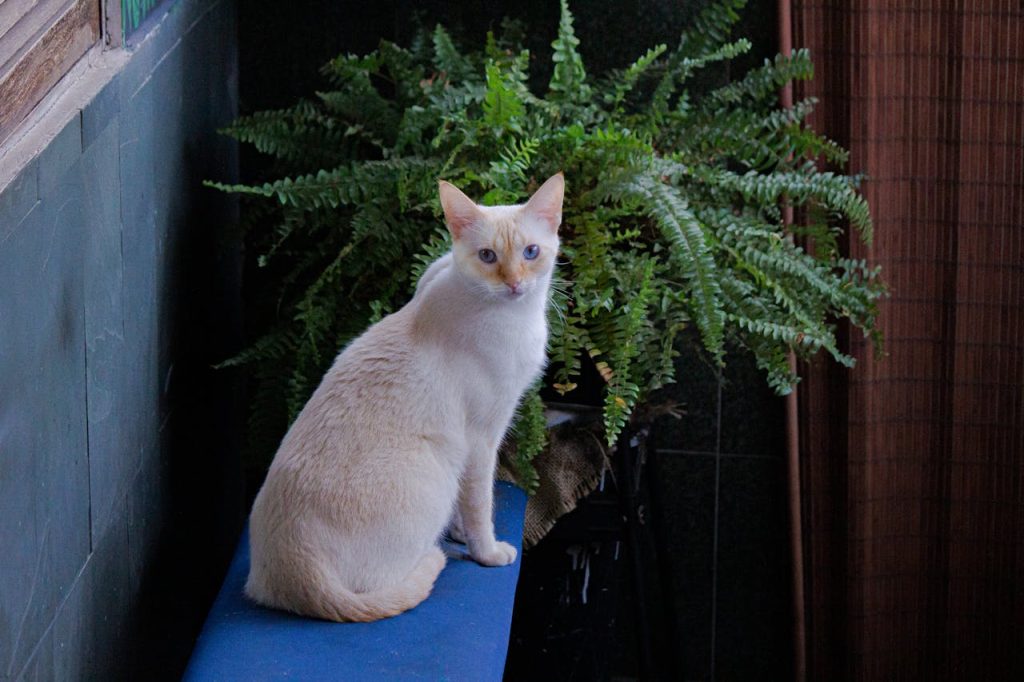
The most effective setups are boring in the best way: stable pots, controlled access, and smart placement. Hanging containers for trailing plants, elevated shelves for delicate foliage, and avoiding floor-level placement for tempting leaves reduce accidental chewing without making the home feel like a no-go zone for pets. This is consistent with poison-control advice to keep risky exposures out of easy reach.
A routine also helps. Keep original plant tags or a note with both common and scientific names, check every new purchase against ASPCA lists for cats and dogs, and avoid using heavy fertilizers where pets can dig. When a plant starts failing, fix the care issue quickly so stressed leaves do not become chew targets out of boredom or texture curiosity.
A Practical Starter List for Dimmer Pet Homes
For genuinely low-light rooms, spider plant and cast iron plant are the most forgiving pet-safe foundation. For medium-light areas, Boston fern, African violet, and areca palm add shape and color while staying on ASPCA non-toxic profiles. This mix covers trailing, upright, feathery, and flowering textures, so a home can look designed rather than improvised.
What this really means is simple. The right list gets households most of the way there, but the final margin of safety comes from management: less chewing opportunity, cleaner inputs, and faster response when symptoms appear. That is the one risk that remains, and it is the part owners can control every day.