


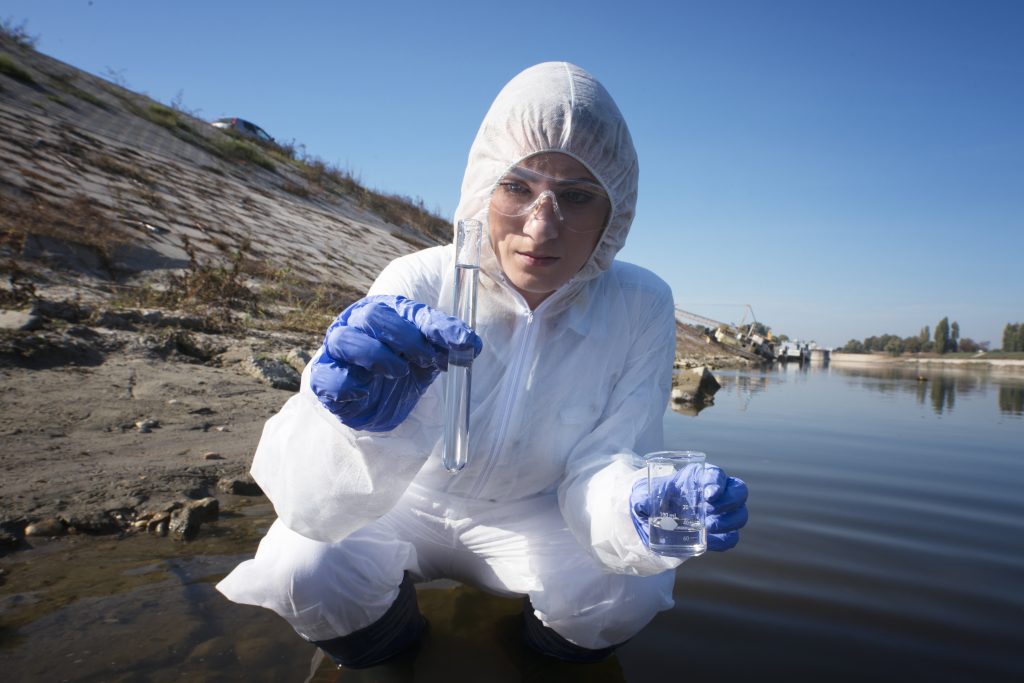
Water experts are increasingly describing a shift from drought to deficit: many regions are taking more water from rivers, lakes, snowpack, and aquifers than nature can reliably replace. Heat boosts demand, storms arrive in bursts, and polluted or overdrawn sources lose their buffering power. The result is not just inconvenience, but damage that can stick even after a wet year. These ten consequences show how long-term shortages can reshape land, ecosystems, food, and cities, and why some losses are hard to undo once reserves are spent. It often starts with small failures, then becomes permanent tradeoffs.
Groundwater Aquifers That Collapse And Compact
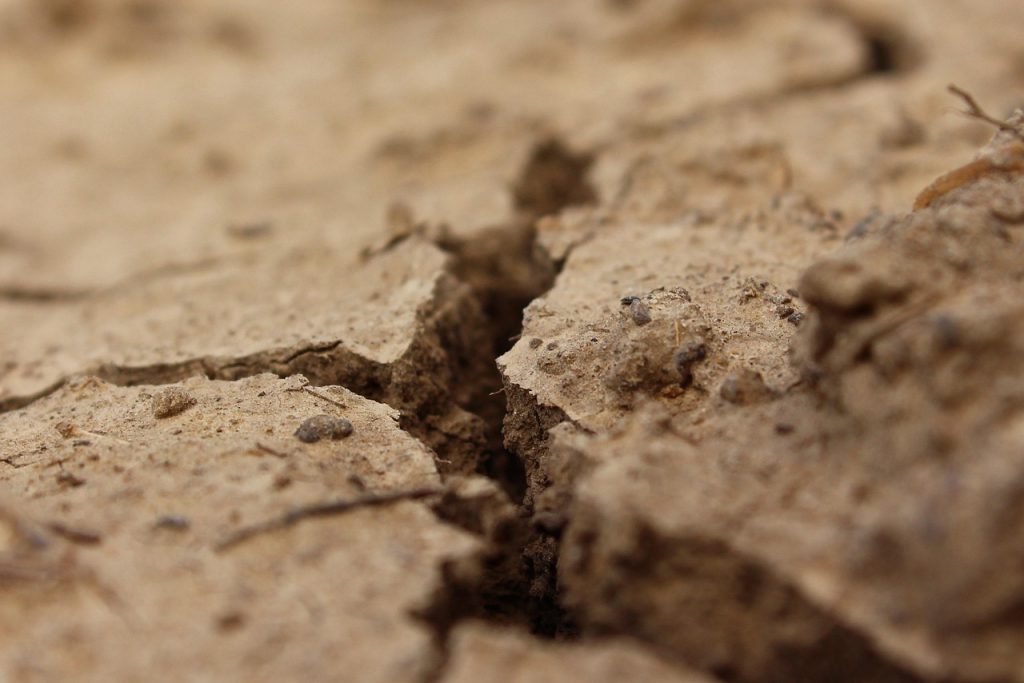
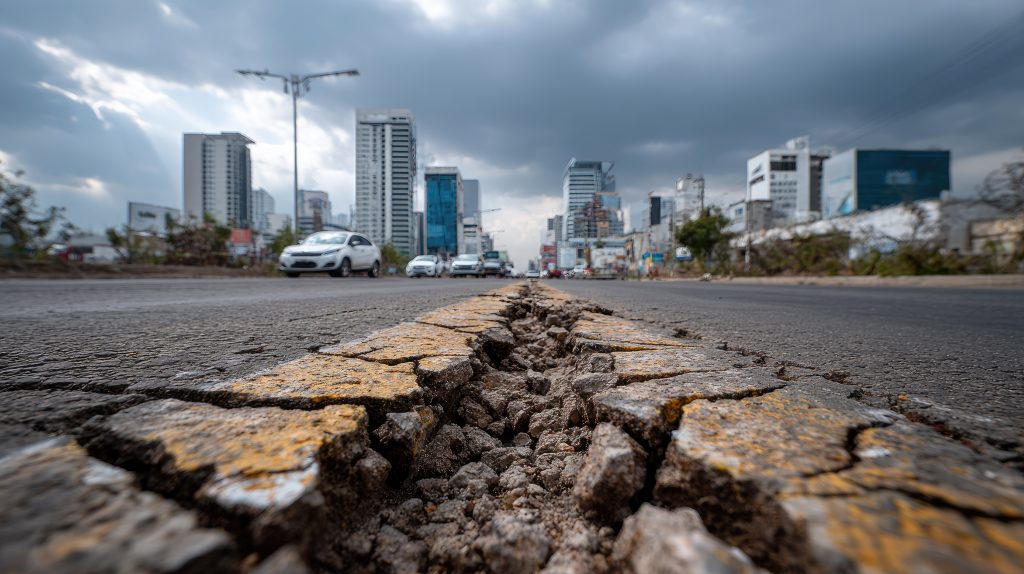
Groundwater is often treated like savings, but heavy pumping can compact clay layers underground and permanently shrink the pore space that stores water, leaving less room even when rains return. The visible result is land subsidence that cracks roads, tilts rail lines, warps canals, and snaps buried pipes, forcing constant repairs while the invisible loss is storage that does not return after a wet year. In coastal and delta regions, sinking ground also raises flood exposure and saltwater risk, and even strict conservation cannot re-inflate a compacted aquifer the way rain refills a reservoir.
Saltwater Intrusion Into Coastal Drinking Water
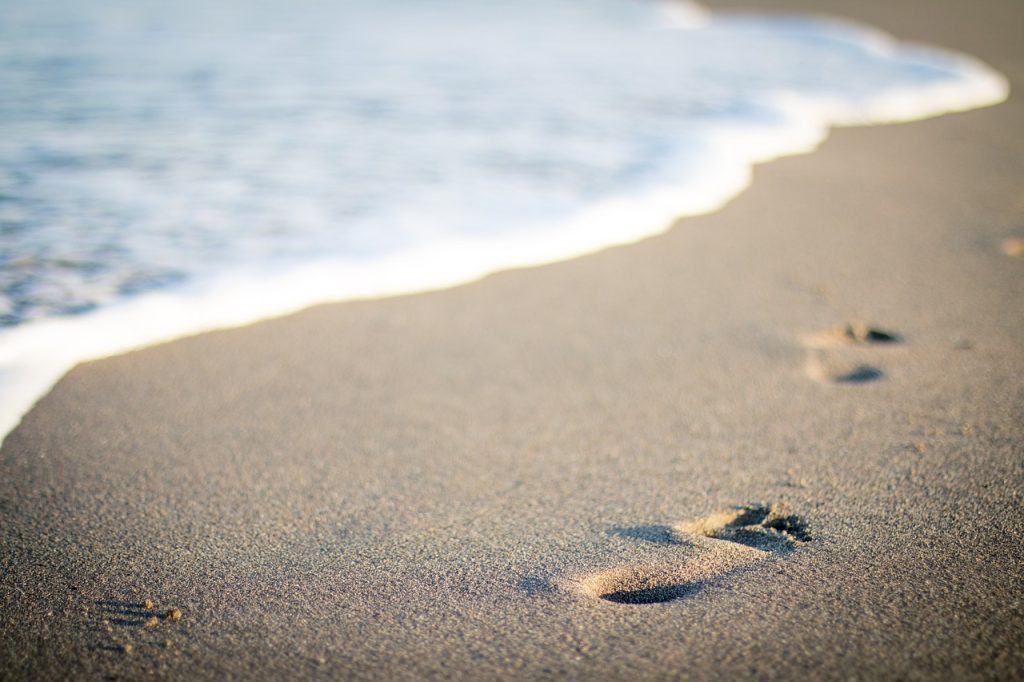
When freshwater levels fall near the coast, seawater can creep inland through aquifers and taint wells that once tasted clean, sometimes neighborhood by neighborhood. Treatment is expensive, and replacement supplies may require deeper drilling, new pipelines, or desalination plants that take years to permit, finance, and build, often with higher energy demand and higher household bills. Even if a rainy season arrives, flushing salt back out is slow and incomplete, so communities can be pushed from local wells to imported water, and property plans start revolving around water quality. That shift is hard to reverse.
Wetlands That Stop Buffering Droughts And Floods
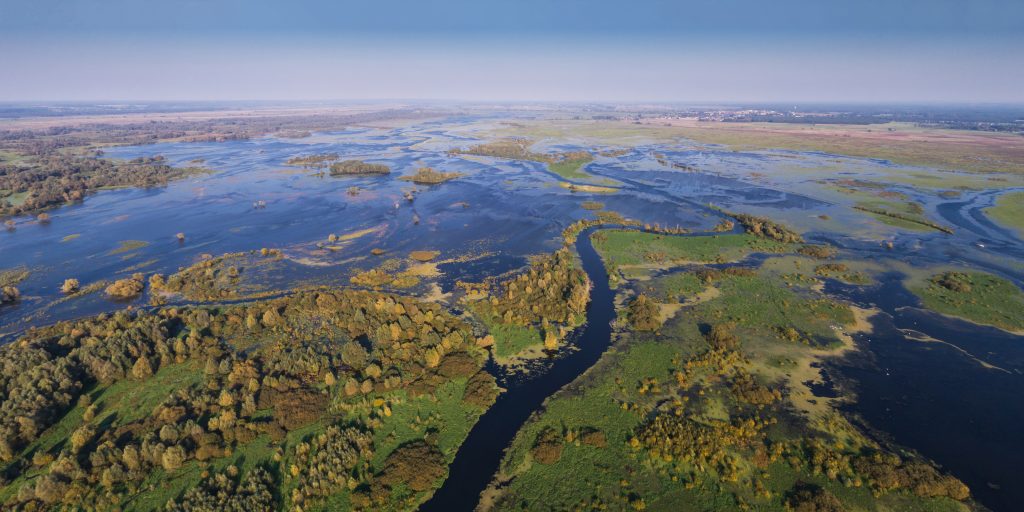
Wetlands work like living reservoirs, soaking up floods, releasing moisture during dry spells, and filtering nutrients and sediment before they reach rivers and bays. When groundwater drops or flows are altered, peat soils can oxidize, sink, and burn, and plant communities can flip to invasive species that hold less water and recover slowly. Once that sponge is gone, droughts deepen faster, floods hit harder, and water quality worsens, while fisheries and birds lose nursery habitat, and peat fires can release long-stored carbon, making recovery even harder. Even major restoration budgets cannot quickly recreate that lost sponge.
Glacier And Snowpack Loss That Shrinks Summer Flow
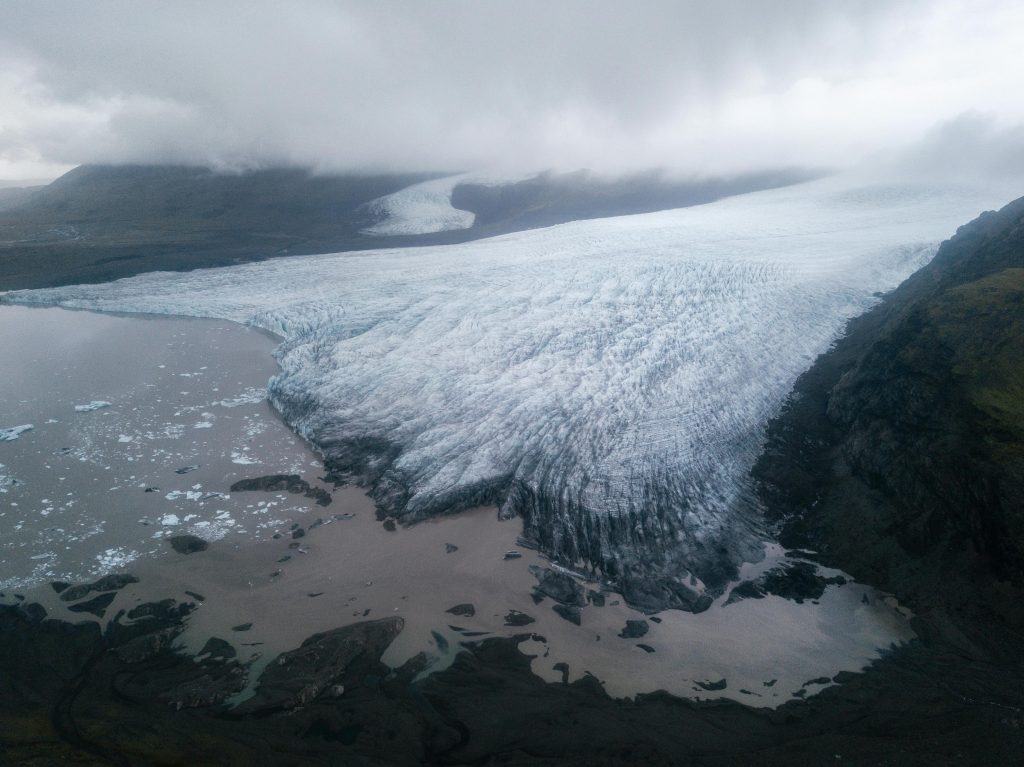
Mountain snow and glaciers act as delayed-release storage, feeding rivers in summer when demand is high and rainfall is scarce, and smoothing the worst dry years. As warming reduces snowpack and ice retreats, runoff arrives earlier, late-season flows drop, and rivers warm, stressing fish habitat, hydropower timing, and city intakes. There may be a short-lived surge of meltwater, then a long decline, and because glaciers rebuild slowly, communities are forced into new reservoirs, stricter allocations, and tough tradeoffs between irrigation, drinking water, wildfire response, and environmental flows.
Rivers That Run Too Warm And Too Low For Life
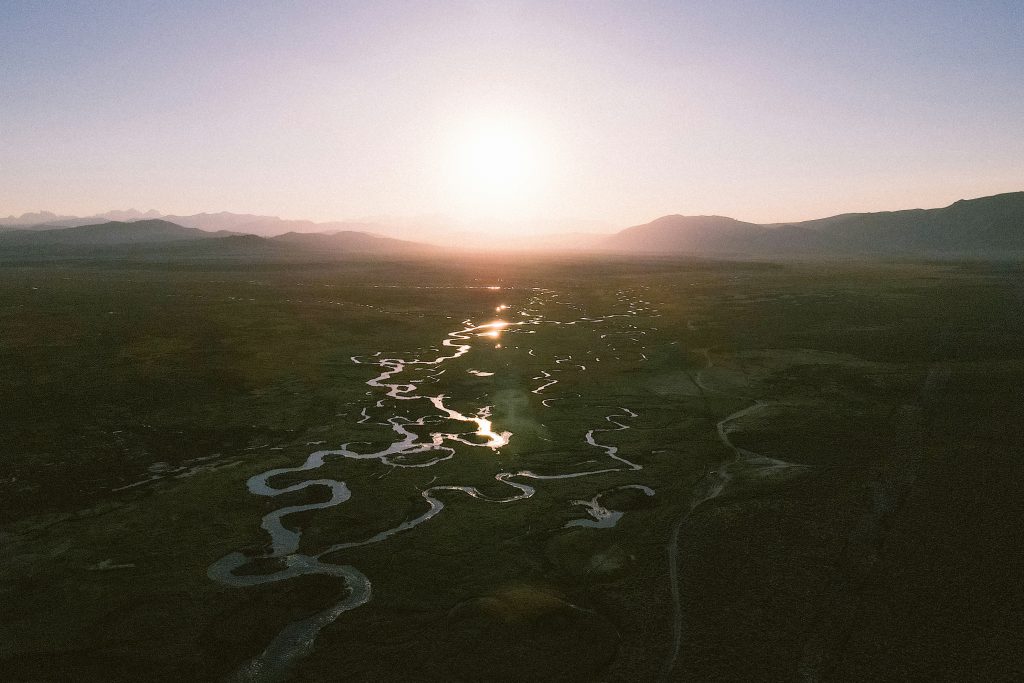
Low flows heat up quickly and carry less oxygen, while nutrients, metals, and sewage become more concentrated because there is less water to dilute them. Extended drought can fragment rivers into isolated pools, breaking migration routes and fueling algal blooms, parasites, and fish kills that arrive suddenly after heat spikes. Even when flows rebound, recovery is not guaranteed, because recolonization depends on connected tributaries and intact habitat, and repeated low-water years can push species out for good, while cities face wastewater alerts and closures. The river may look normal again, but its biology and chemistry may not.
Soils That Turn Salty Or Sterile
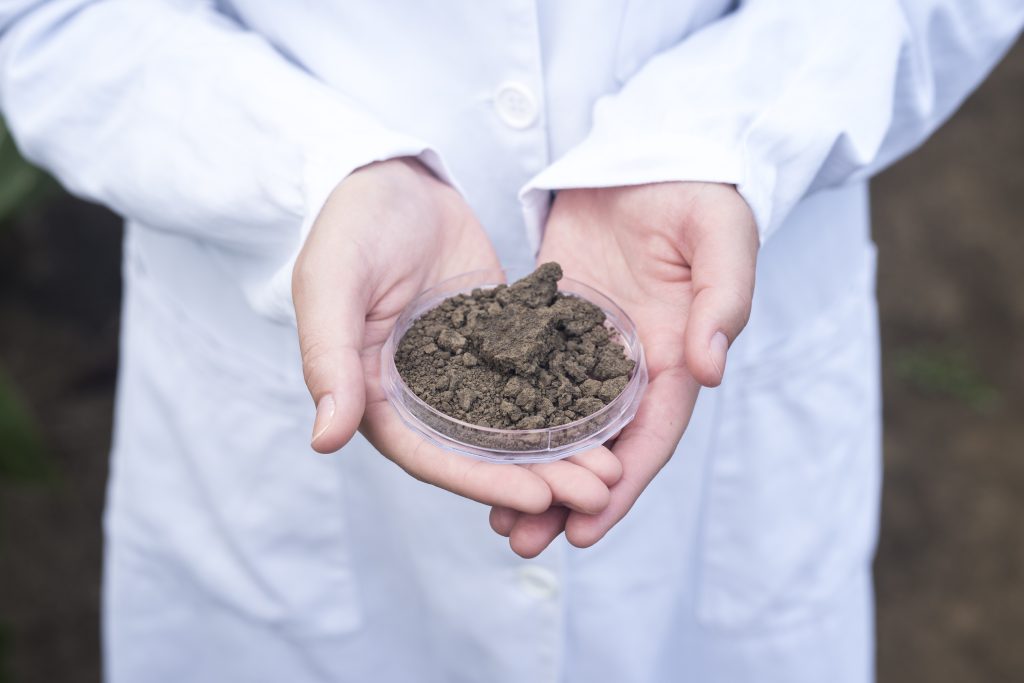
Irrigation leaves salts behind as water evaporates, and when clean flushing water is scarce, those salts build in the root zone year after year, especially in hot, windy climates. Yields fall, soil structure degrades, and farmers are forced to use more water just to keep plants alive, which deepens the deficit, raises pumping bills, and accelerates well decline. In regions with poor drainage, fields can cross a threshold where recovery demands sustained good-quality water plus years of soil rebuilding, exactly the inputs that are hardest to provide during long shortages. Once abandoned, the land often stays impaired.
Cities That Face Day-Zero Style Rationing
Urban systems can look stable until heat, population, and shrinking inflows collide, then restrictions arrive fast, public, and politically charged. Limits on outdoor use, pressure reductions, and rotating outages hit hardest in households without storage and in hospitals, schools, and small businesses that cannot pause operations without real consequences. Even if reservoirs refill later, the scars remain, because utilities must fund years of leak repairs and new sources, residents lose trust, and parks, street trees, and firefighting reserves compete with indoor needs. The next dry spell then feels closer.
Food Systems That Get Less Reliable
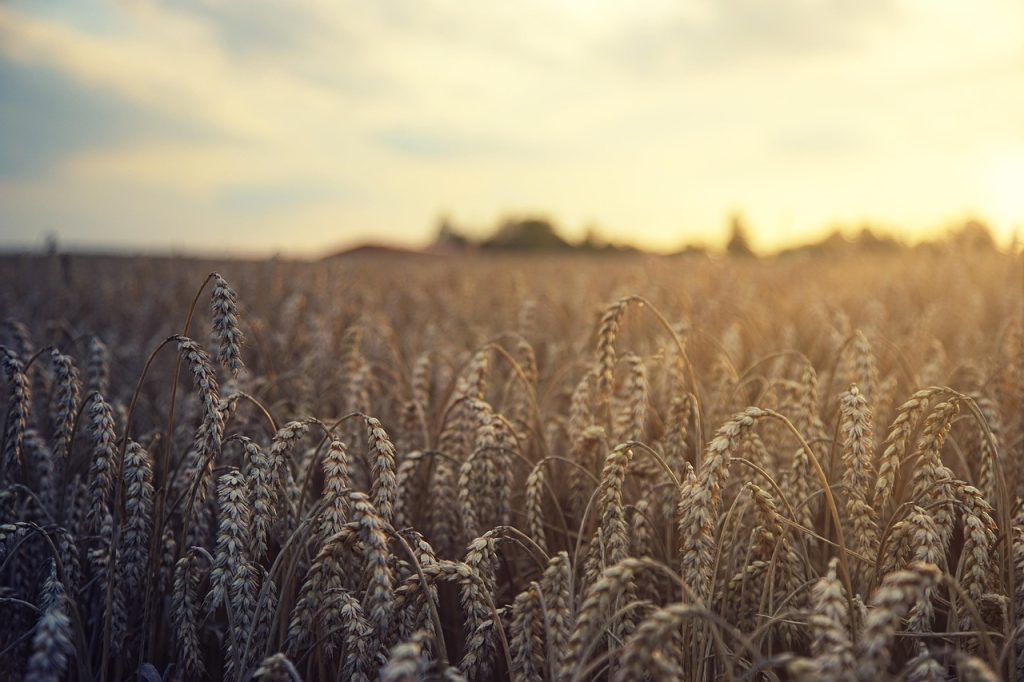
Agriculture uses huge volumes of freshwater, so chronic deficits show up as lower yields, reduced planted acreage, and more volatile harvests, especially during heat waves. When aquifers drop or river allocations tighten, producers shift crops, fallow fields, or invest in efficiency that still cannot create water that is not there, and the most water-hungry crops become the hardest to defend. The ripple travels into food processing, rural jobs, and price stability, and rebuilding production is slow because soil health, labor, equipment, and credit do not rebound on the same timeline as rainfall or policy change.
Energy Grids That Lose Hydropower And Cooling Water
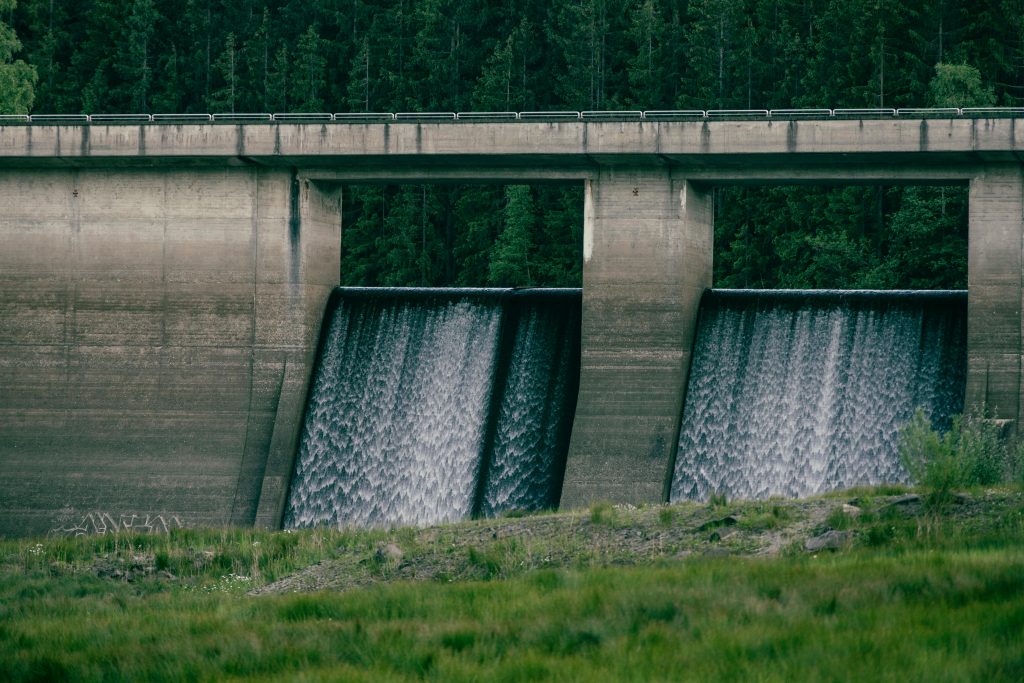
Hydropower depends on flow, and low reservoirs cut generation just when heat waves drive electricity demand higher for cooling, refrigeration, and public health. Thermal power plants also need water for cooling, so drought can force output cuts, raise operating costs, or warm receiving rivers beyond safe limits for wildlife and permits. The combined effect is a grid squeezed from both sides, pushing utilities toward expensive imports and backup fuels, and over time new capacity has to be planned around water limits, not just price, because reliability becomes a seasonal risk. That cost shows up on bills.
Conflicts, Migration, And Public Health Strain
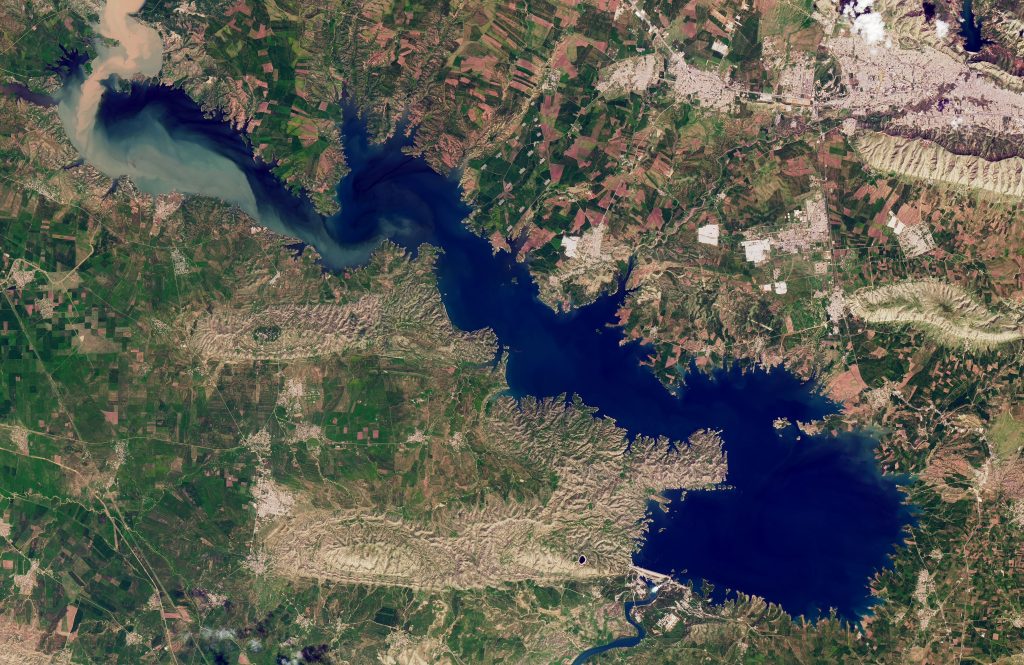
Water stress inflames disputes when cities, farms, and neighboring regions depend on the same shrinking river, lake, or aquifer and old promises no longer fit reality. Shortages also raise health risks as sanitation falters, pollution concentrates, and heat increases the need for clean water exactly when supply is weakest, especially for children and older adults. When wells fail or crops collapse, families move, and migration patterns rarely snap back quickly because rebuilding livelihoods takes years, and rebuilding trust takes longer after rationing, emergency policing, and the feeling that systems failed people first.