

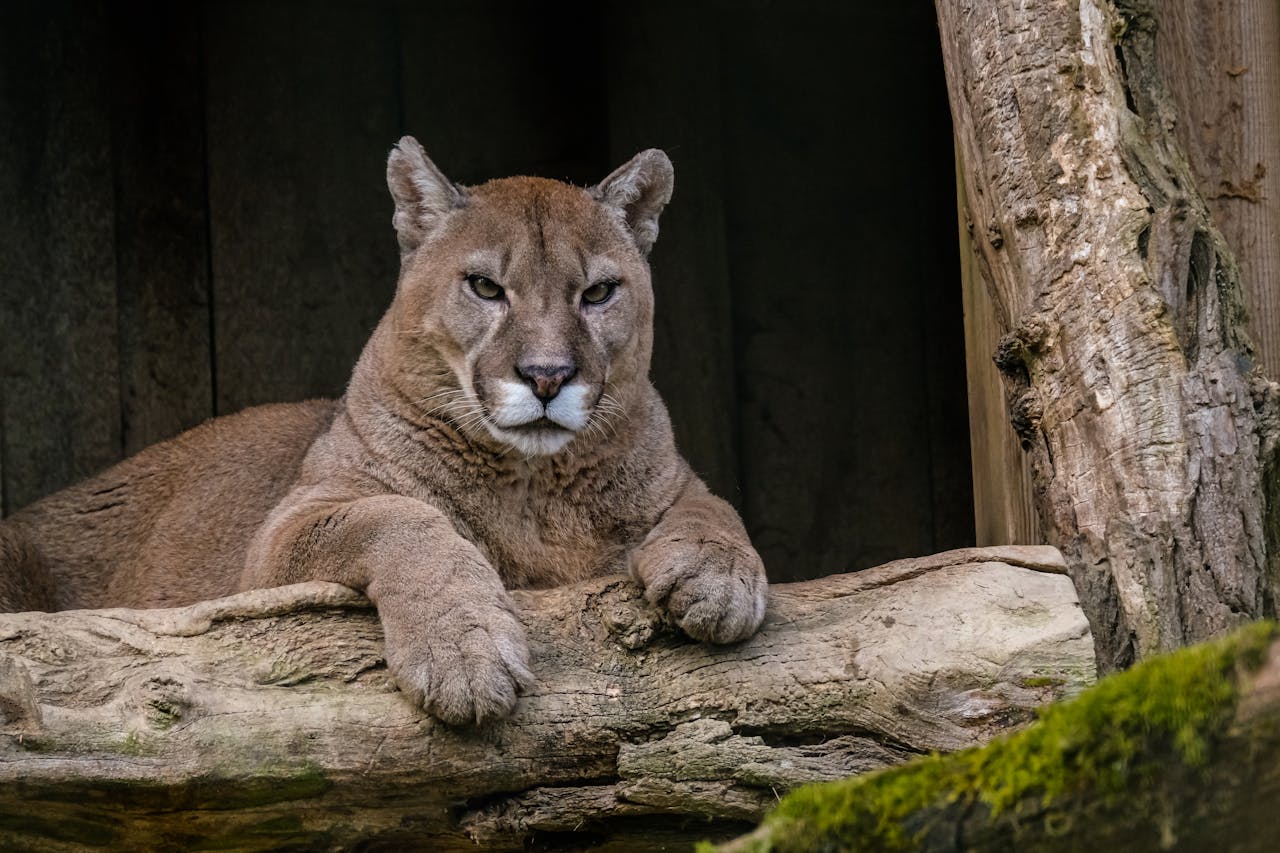
Mountain lions rarely want a fight, but the moments that feel quiet can change fast if the cat starts tracking you.
Rangers say the biggest danger is panic, because running or screaming can flip a curious look into a chase response.
Real risk looks like focused attention: ears forward, body low, slow following, or repeated circling instead of retreating.
If you spot a lion, stop moving, face it, and take a breath so you can act on purpose instead of on fear.
Keep your eyes on the animal, but do not crouch or bend to pick things up like a rock unless you have time and space.
Move kids behind you and pull pets in close, since small, fast targets are what cats are built to lock onto.
Talk in a firm, steady voice and make yourself look larger with your jacket or pack, like you are claiming the trail.
The goal is simple: break the lion’s confidence, create distance, and leave without giving it a reason to test you.
The First Ten Seconds

First, freeze in place and square up to the lion, because turning your back can read like prey behavior.
Plant your feet wide and raise your arms or trekking poles to enlarge your outline for a clear, tall silhouette.
Speak loudly and clearly using short commands. Keep steady eye contact so it knows you see it.
Back away in slow steps toward open ground or a group. Never sprint, and do not drop your pack.
Read the Lion’s Body Language
Watch its posture, not just its distance, because a lion that keeps closing space is making a decision.
A tail that flicks hard, a low crouch, or shoulders rolling forward can signal a test run, not a bluff.
If it circles, pivot with it so your chest stays pointed at the cat, like a gate that will not open.
Do not kneel to tie shoes, adjust a camera, or pick up a child from the ground unless you can do it without turning away.
If you are with others, tighten the group and keep everyone standing, since a tall cluster looks harder to isolate.
Use your pack as a shield if it rushes, and keep a stick or pole ready to block the face, not swipe at the body.
Bear spray can work at close range if the wind is manageable, so keep it accessible, off the pack, and practice the draw at home.
If the lion pauses and stares, keep talking and keep backing out, because hesitation is your chance to exit cleanly.
Keep Children and Pets From Becoming Targets
Kids change the risk math, because their size and quick movement can trigger instinct even in a cautious animal.
Lift small children straight up while facing the lion, then settle them high on your shoulders so they do not wiggle free.
Tell older kids to stand behind you and stay quiet, since yelling can sound like distress and energize a chase.
Keep a hand on each child if possible, and move as one unit, step for step, so no one becomes the straggler.
With a stroller or carrier, stop and lock it, then position your body between the lion and the child like a wall.
Do not send anyone to the car alone, even if it seems close, because separation is exactly what a stalking cat wants.
Once you are safe, report the location and behavior to rangers so they can warn others and watch for repeated activity.
Why Running Makes It Worse

Running is the mistake rangers repeat most, because mountain lions are built for short bursts that humans cannot match.
Even turning to glance behind you can break your stance and invite pursuit, so keep your face forward and your steps measured.
If you must move faster, do it sideways or backward while staying upright, like you are leaving a room without looking away.
Stay off narrow brushy edges where visibility drops, and aim for a wide trail, a road, or any place with clear sight lines.
If you have a whistle, use it in sharp blasts while holding your ground, since sudden noise can disrupt the cat’s approach.
Use Noise and Objects the Right Way
Throwing rocks is not about hitting hard, it is about changing the lion’s plan by showing you can defend space.
Pick up stones only if you can do it without bending away from the cat, and only when you already have distance.
Aim near the front feet or the body, not the rear, so the lion reads it as pressure, not as a playful chase.
Swinging a jacket overhead can help too, especially if the fabric snaps, because it creates motion without you fleeing.
Do not climb a tree or scramble onto a boulder unless it is truly vertical safety, since lions climb better than most people.
Use any barrier you can find, like a large rock or a parked car, and keep it between you and the animal while you retreat.
When Following Becomes Stalking
An encounter becomes urgent when the lion follows for more than a few seconds and keeps shortening the gap.
That pattern can mean stalking, especially if it stays low or uses cover to keep closing in.
At that point, stop retreating and escalate your presence with loud shouts, raised arms, and thrown objects.
If it still advances, ready bear spray or a solid stick. Plan to defend your face and neck first.
If an Attack Happens, Fight Back
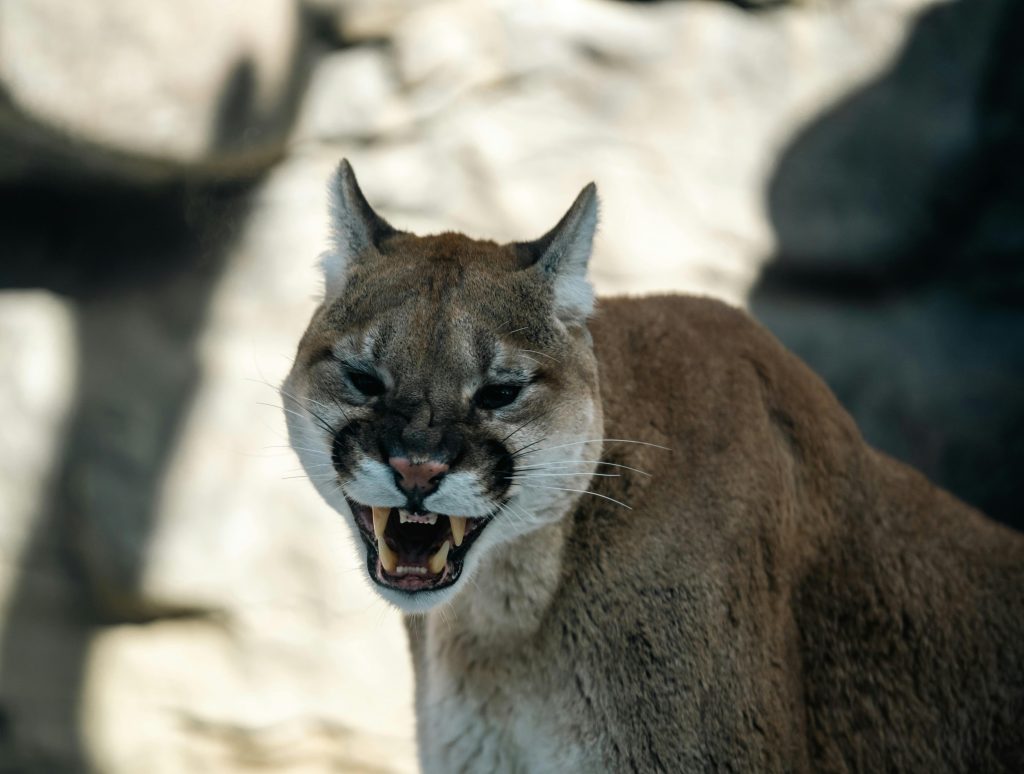
Actual attacks are rare, but if it makes contact, rangers advise fighting back with everything you have.
Protect your head and throat, keep standing if possible, and strike the eyes and nose with rocks, poles, or fists.
Keep fighting until the lion breaks off, then get medical help fast, because punctures can be deep even when bleeding looks small.
What to Do After You Get Out
Afterward, do not treat it like a story to share first; treat it like a safety report that can prevent the next incident.
Write down the exact place, time, distance, and behavior while it is fresh. Those details guide closures and patrols.
Call park staff or local wildlife officials and describe what you saw, including whether the lion had an ear tag or collar.
Clean gear that got sprayed and check pets for stress or injury. Then replay your choices so the next hike starts smarter.