


Risk rarely arrives in one dramatic moment. It gathers quietly when big cats begin treating roads, farms, trailheads, and neighborhood edges as familiar ground. A shortcut turns into a route, an easy food cue gets remembered, and a close encounter no longer feels rare. Across tiger and cougar ranges, field teams note the same tipping point: once animals stop reading people as a hard boundary, uncertainty rises for everyone. This is not a call for panic. It is a call for clear pattern recognition, faster local response, and steadier coexistence planning ahead. The shift is gradual, then suddenly visible in ordinary routine.
Why Fear Loss Changes the Equation

A single sighting does not define danger. The sharper signal appears when a cat starts treating homes, paths, sheds, and school routes as normal movement space. California agencies note conflict rises along wildland urban edges, where pets and small livestock sit near cover and prey trails. The issue is less spectacle and routine getting rewritten.
Early warnings are quiet: repeat passes near yards at similar hours, feeding signs close to built areas, and movement through narrow strips beside roads. If ignored, later encounters happen at shorter distance and with less reaction time, raising pressure for people and animals alike.
Recovery Can Increase Contact Pressure
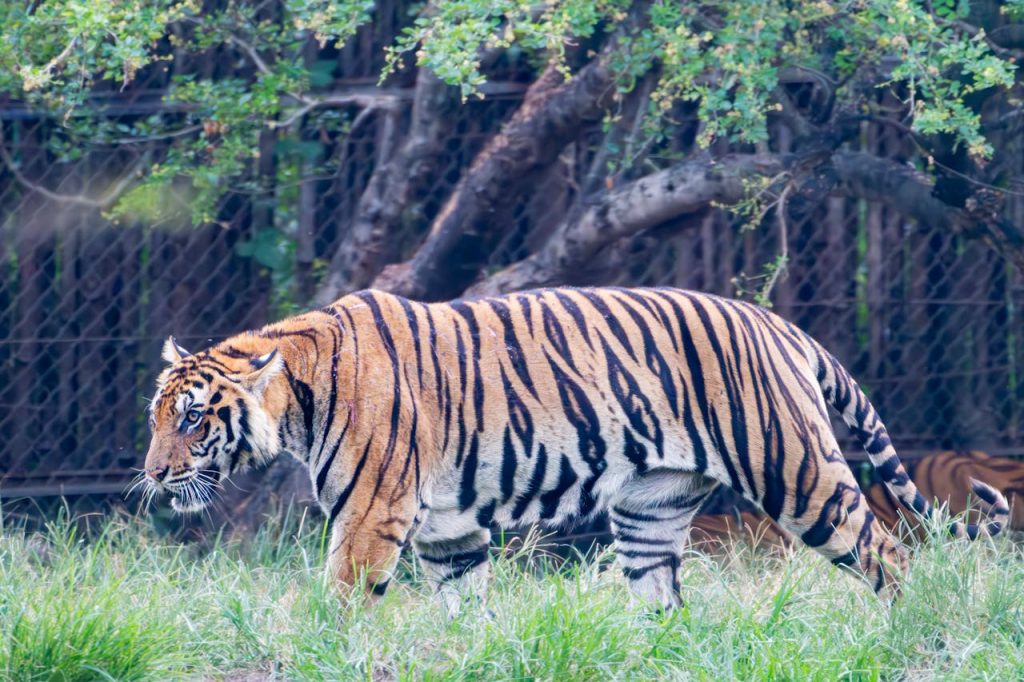
Conservation wins can sit beside new pressure points. India’s 2022 estimate recorded a minimum of 3,167 tigers and occupancy in several landscapes, while the report flagged conflict mitigation as cats expand outside protected cores. Growth is progress, but it changes daily coexistence, not just national totals.
Recent reporting from North Bengal describes leopard conflict extending beyond its seasonal window, with land use shifts around small tea gardens increasing overlap with settlements and work routes. The lesson is practical: when overlap lasts longer through the year, risk timing becomes less seasonal and more continuous.
Human Activity Can Rewire Cat Schedules

Urban edge carnivores adjust fast. A 2025 open access study in greater Los Angeles found mountain lions reduced daytime activity and shifted timing in places with high recreation, becoming more nocturnal there. That helps persistence in dense regions, but it can align movement with lower visibility and slower human recognition on roads and trails.
The same study found little evidence of a simple weekend effect. That matters because management cannot focus on one day pattern and call it done. Repeated disturbance across many sites can compress safe behavior into thinner windows, increasing the chance of close, stressful encounters.
Crowds Around Wildlife Raise Everyone’s Risk

When a big cat appears near homes or trailheads, attention spreads quickly. Phones and curiosity can form clusters that narrow escape routes and raise stress. U.S. National Park Service guidance is clear on predator distance and one core signal: if behavior changes because people are near, the boundary is already too close.
This is where a manageable encounter turns unstable. Crowds split attention between filming and spacing, while children and pets move unpredictably. Fast perimeter control, clear local alerts, and strict no chase behavior are often more useful than dramatic intervention because distance is the first safety tool.
Fragmented Landscapes Amplify Bad Encounters

Broken habitat links increase bad encounters. California’s wildlife agency identifies roads as barriers for mountain lions, reducing gene flow and forcing riskier crossings between suitable patches. When corridors pinch, animals do not vanish. They funnel through fewer openings, often closer to traffic, homes and livestock.
Global policy research from the World Bank highlights habitat fragmentation and shifting land use as key drivers of conflict pressure across countries. The practical takeaway is plain: safer crossings and connected habitat are not extras. They are public safety tools in mixed human wildlife zones.
Food Signals Teach the Wrong Lesson Fast
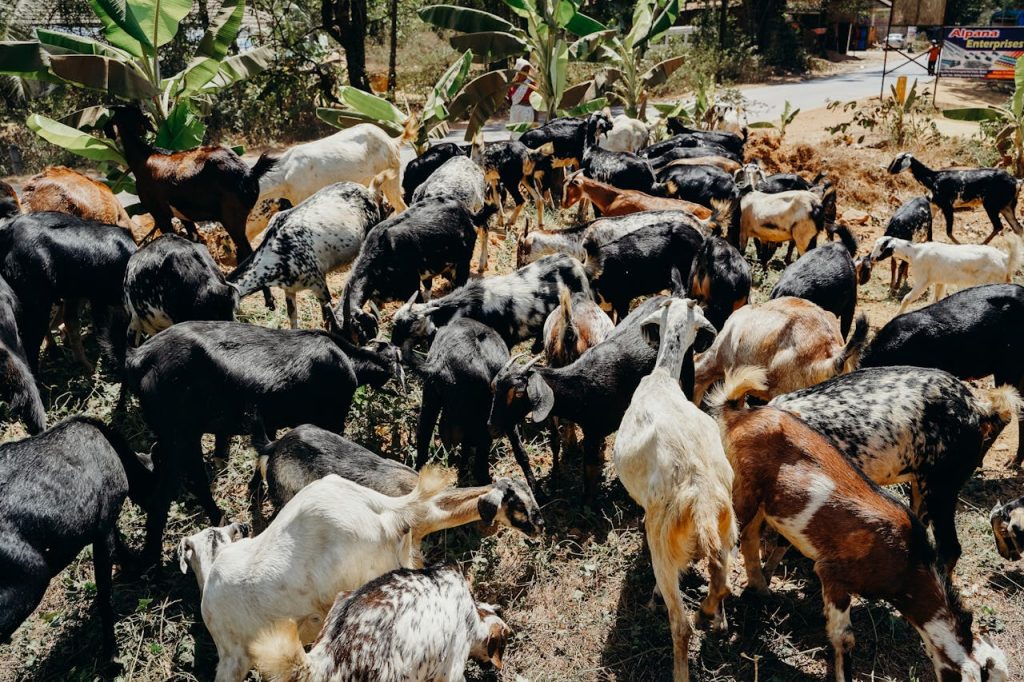
Risky habits rarely begin with deliberate feeding. Open garbage, unsecured poultry, feral feeding stations, and easy prey around homes create repeat food signals that pull predators closer over time. Washington and California guidance emphasize removing attractants and tightening husbandry because predators follow prey patterns.
Once reward pathways are learned, deterrents lose power. Washington guidance notes repeated conflict can persist if root conditions stay unchanged. Prevention works best as routine design: secure night pens, trimmed cover near play areas, controlled feed timing, and waste control across nearby properties.
Livelihood Exposure Is the Real Front Line
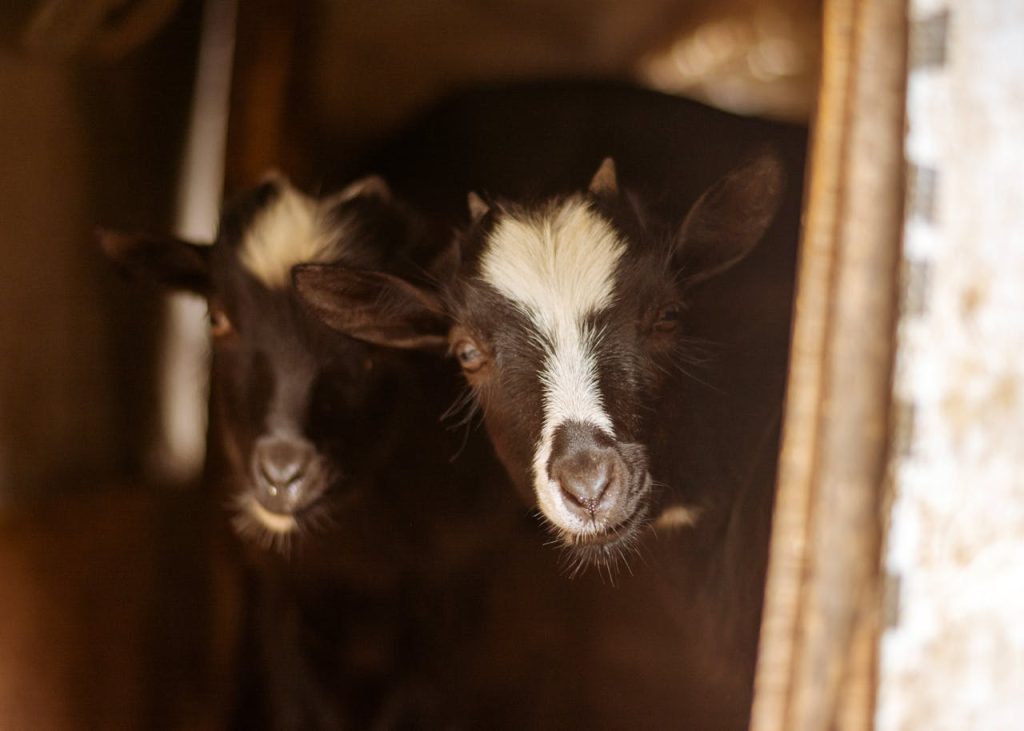
In many regions, coexistence is measured in school walks, field shifts, and whether livestock return at dusk. Conflict is never biology alone. It is also labor, transport, and household economics. IUCN guidelines stress collaborative decisions grounded in social context, because technical plans often fail on the ground.
Programs that endure pair protection with economic stability. Panthera reports lower livestock losses through predator proof corrals, guard systems, and targeted ranch training. These tools are not universal templates, but they show a repeatable pattern: when daily losses decline, tolerance and cooperation increase.
Policy Works Best When It Is Local and Continuous
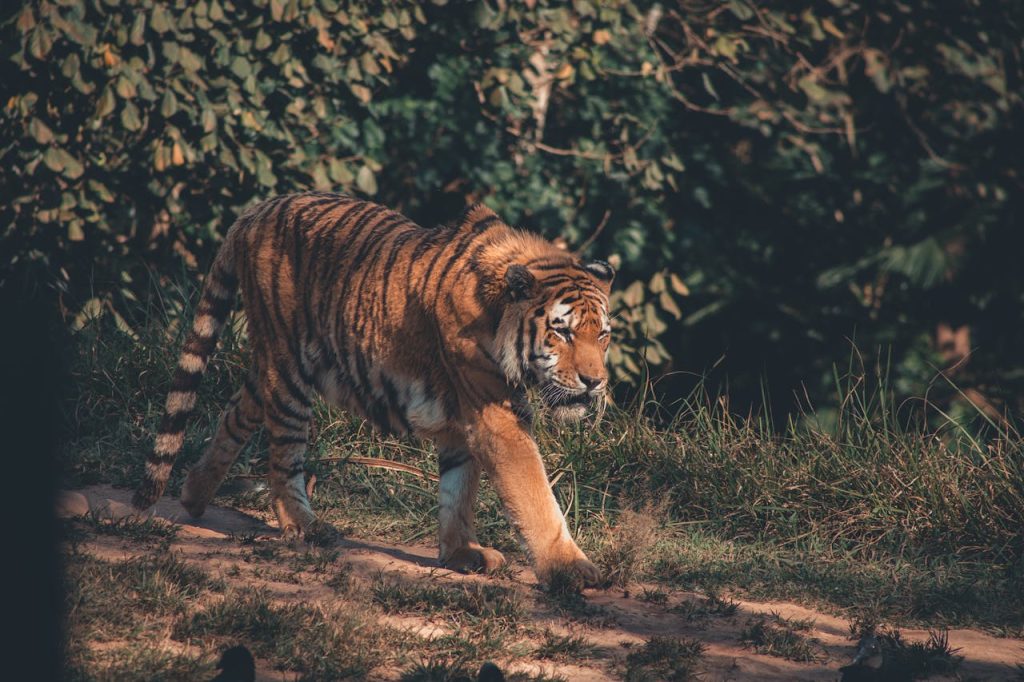
One policy cannot fit every big cat landscape. A global review supported by the World Bank reports conflict is widespread, yet outcomes depend on how responses match local institutions, rights, and capacity. IUCN guidance reinforces the same idea: coexistence improves when decisions are collaborative and sustained.
In practice, policy looks less like a one time order and more like a living system: seasonal advisories, corridor planning, school outreach, livestock support, and incident data in plain language. Where continuity is absent, sightings feel chaotic. Where it exists, communities recognize patterns early and tension drops.