

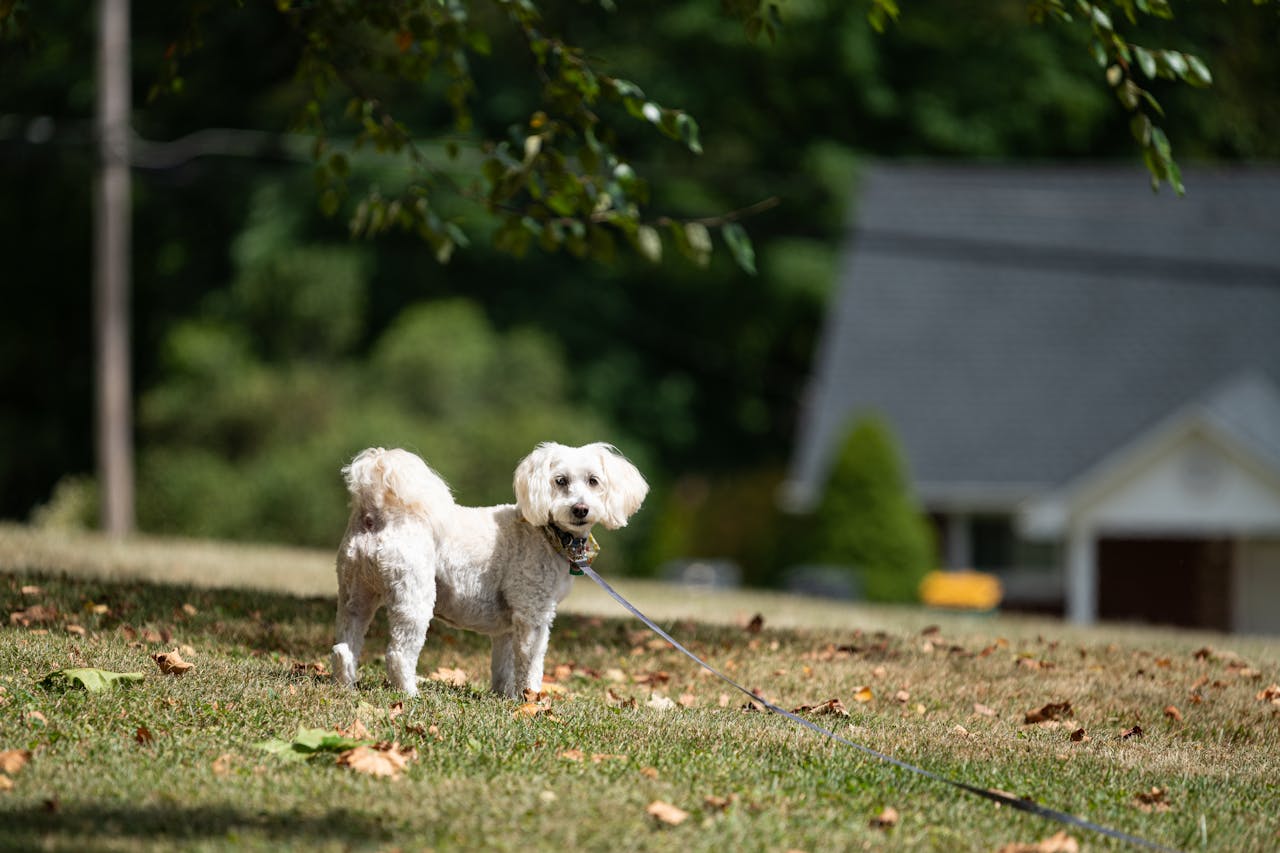
A quiet yard can shift in seconds when a shadow cuts across the grass and a small pet freeze in place. Across North America, hawks and owls now live close to homes, adapting to parks, school fields, cul-de-sacs, and utility corridors where prey is easy to spot. Most encounters end without harm, yet the few that escalate leave families rattled and unsure what to do next. The best response is not panic, denial, or rumor. It is clear pattern recognition, legal awareness, and practical prevention built around how raptors actually hunt and defend space. With that framework, responses stay calm. Risk looks clearer in context.
The Real Risk Is Smaller Than the Panic
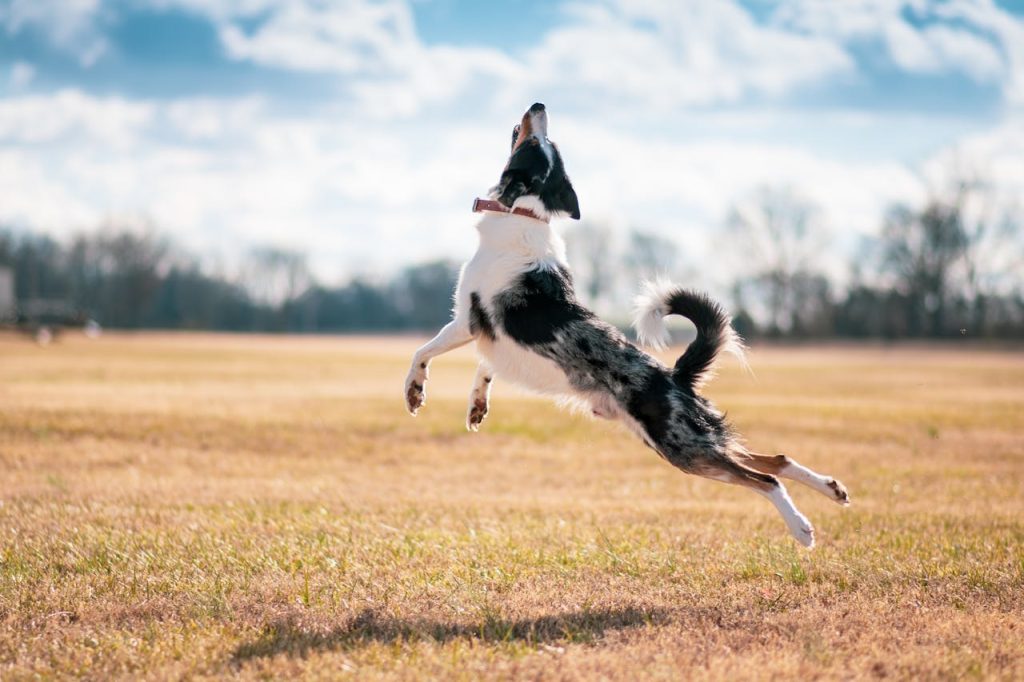
Reports of raptors taking pets spread fast, but the baseline risk is lower than many neighborhood threads suggest. Cornell’s All About Birds notes that most dogs and cats are large enough to be safe from hawks and owls, and it also describes attacks as possible but not typical.
That nuance matters. A rare event can still feel close when one video goes viral, yet good decisions come from probability, not panic. Owners who understand the difference between uncommon danger and everyday exposure usually make calmer, smarter protection plans. In most communities, practical caution beats constant hypervigilance. Facts steady judgment.
Size and Supervision Decide Most Outcomes

Predatory birds do not choose targets at random. Body size, ground visibility, and whether a pet is alone all shape risk in real time. Cornell notes that even very small dogs may be too heavy for many raptors to carry, but very small animals can still be attacked by larger species.
Practical safety comes from supervision windows, not constant alarm. Short, attended yard breaks reduce vulnerability far more than occasional checks from indoors. A pet that is watched, leashed, or quickly recalled presents a far harder opportunity than one left outside unattended. Supervision works when attention is focused at vulnerable moments.
Day Hunters and Night Hunters Behave Differently
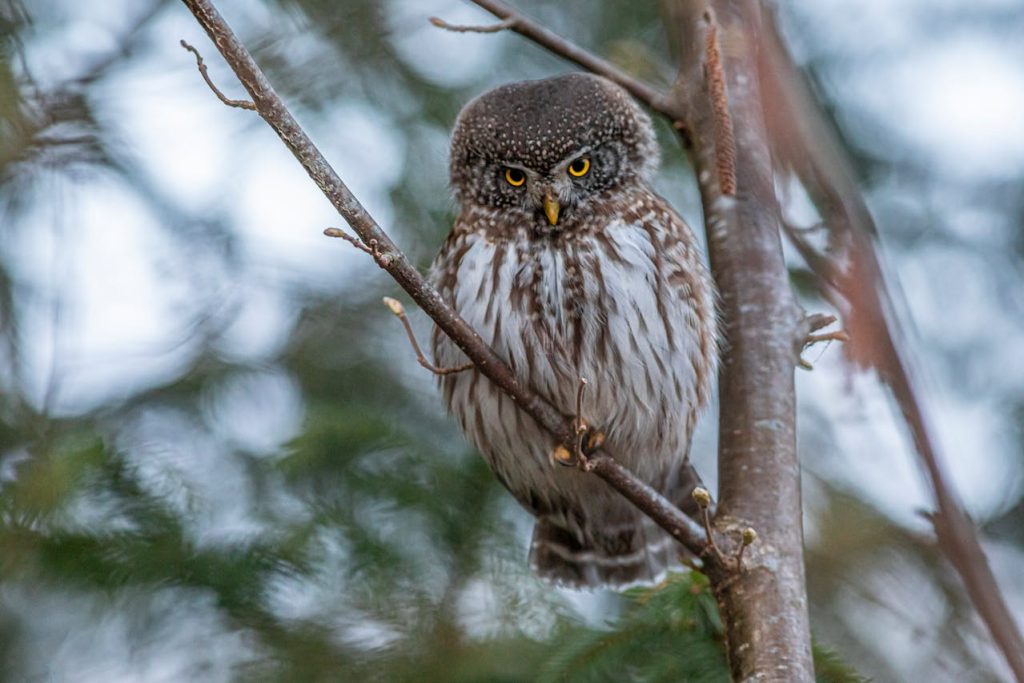
Knowing which bird is active helps owners time routines intelligently. Great Horned Owls hunt mostly at night and sometimes at dusk, often from high perches before a fast drop. Red-tailed hawks, by contrast, are daytime hunters and are commonly seen perched along roads and open edges.
Those patterns make timing simple. Evening and early-dark hours deserve tighter supervision in owl-heavy areas, while open midday yards near fields can attract hawks scanning for movement. Matching pet routines to predator behavior is one of the easiest risk reductions available. The same yard can feel low-risk at one hour and high-risk hours later.
Backyards Can Accidentally Invite Raptors In
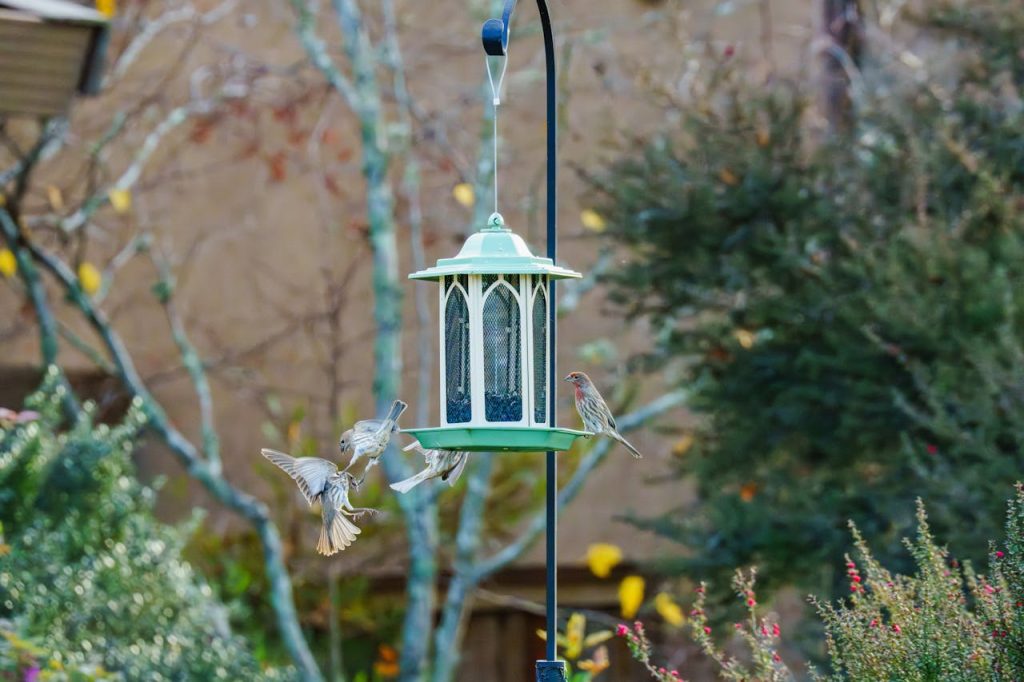
Many raptor visits begin with food webs, not pets. Red-tailed hawks eat mostly mammals, and yards with steady rodent activity can function like feeding lanes, especially where fences, poles, and tall trees create lookout points. Feed spills and unsecured trash can quietly amplify that chain.
When prey concentration rises, predator presence often follows. That does not mean a pet is the intended target, but it does increase aerial traffic over the same space pets use. Reducing rodent attractants and cleaning feeding areas lowers overall hunting pressure around homes. In many cases, fixing attractants changes raptor traffic quickly.
Nesting Season Changes Adult Bird Behavior
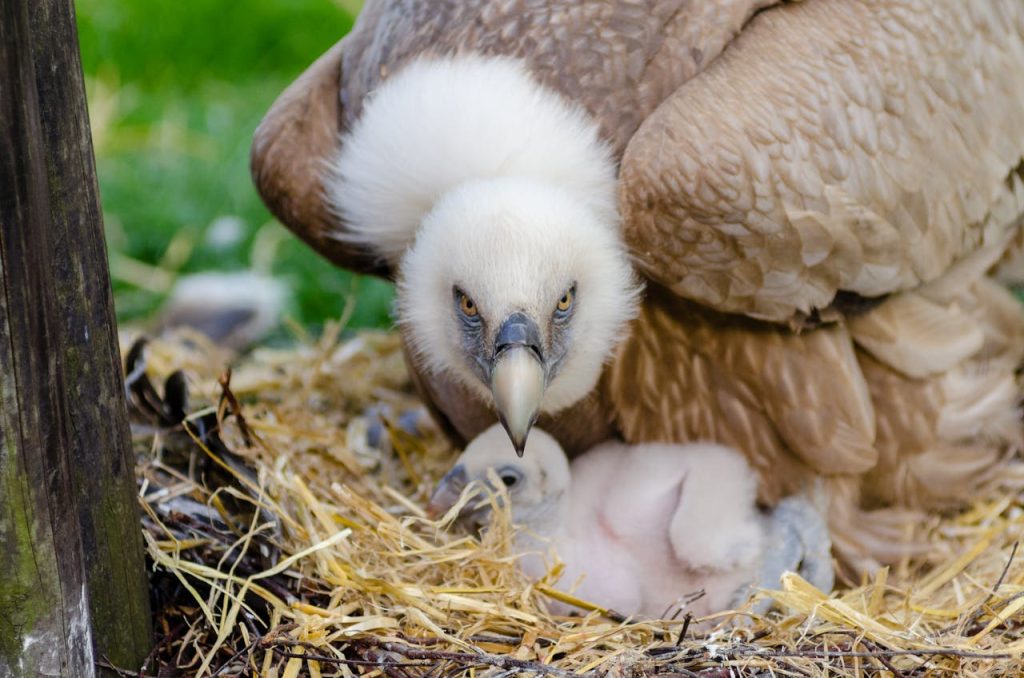
Behavior shifts around breeding cycles, and this is where conflict can feel sudden. Audubon notes Great Horned Owls may begin nesting in late winter, and adults become intensely focused on defending space and provisioning young. Close approaches can trigger aggressive passes.
Owners often read this as random hostility when it is usually territorial stress. Short detours around known nest zones, temporary leash use, and quieter routes during active nesting weeks can prevent escalation. Distance, timing, and predictability are safer than confrontation. Seasonal awareness prevents routine walks from becoming avoidable conflicts.
Early Warning Signs Usually Appear First
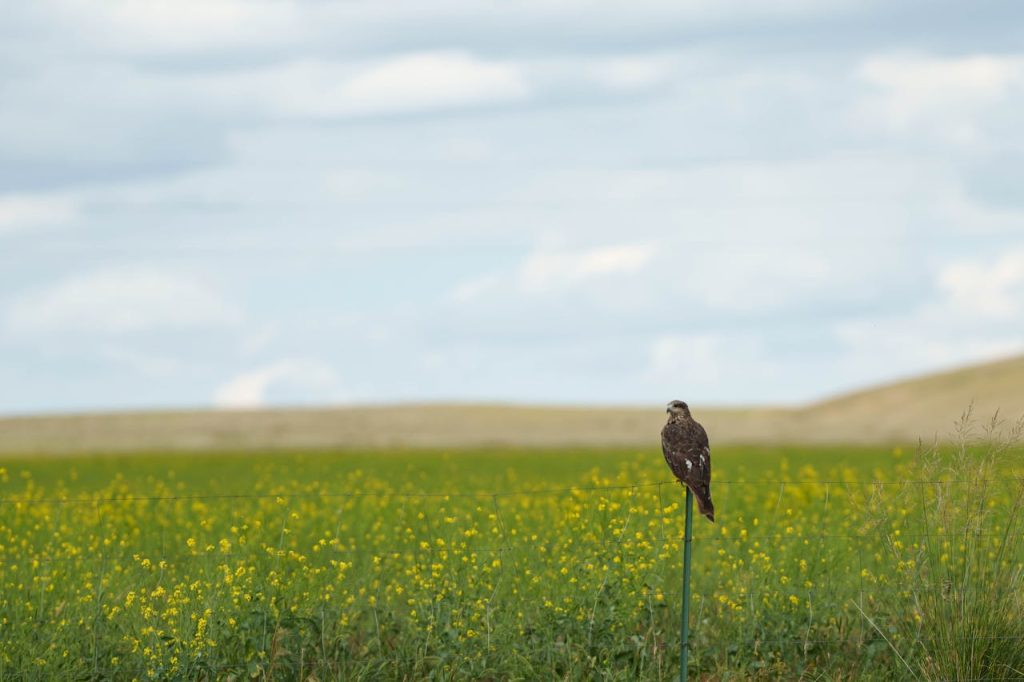
Serious encounters are often preceded by signals: repeated circling, persistent calling from one perch, low flyovers near a specific yard corner, or daily visits at nearly the same hour. Predators are pattern hunters, and routine behavior can be read before a close call happens.
A simple log helps. Noting time, weather, perch location, and pet activity for one week often reveals a predictable window. Once a pattern is visible, owners can shift walks, shorten outdoor time, or move play to covered space during peak activity instead of reacting after a scare. Small observations often prevent big emergencies. Planning gets easier.
Yard Design Beats Last-Minute Reactions
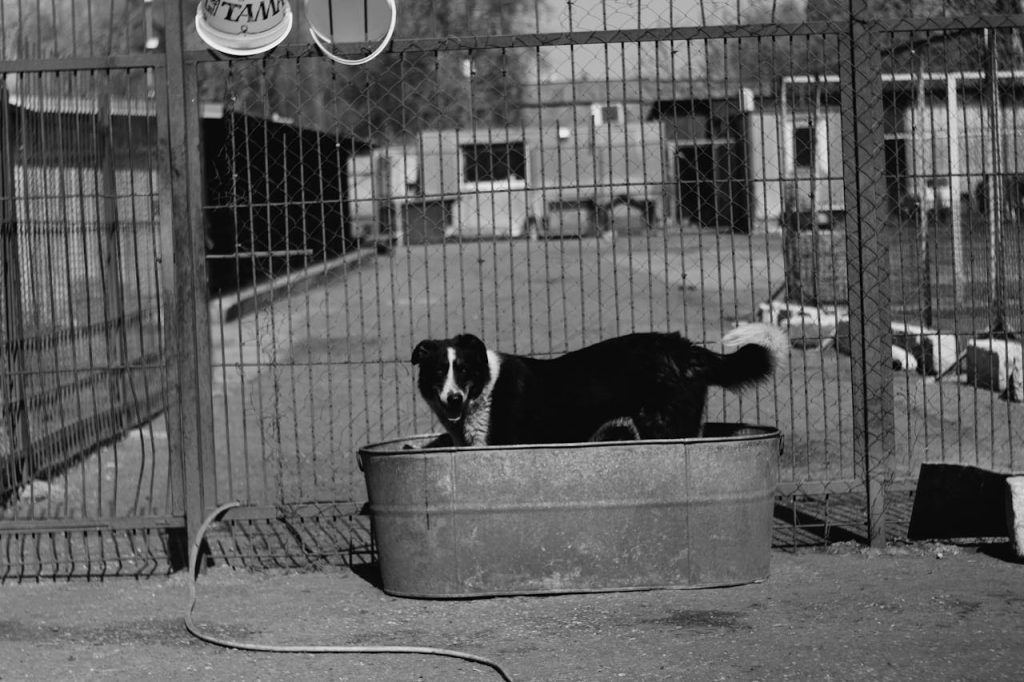
Physical setup matters more than heroic intervention. USDA guidance recommends enclosed runs for unattended small companion animals, and overhead coverage can reduce raptor access to outdoor enclosures. A covered run is not dramatic, but it reliably changes outcomes.
Open lawns with isolated perches create clean strike geometry. Adding roofed kennel space, moving pet activity away from tall lookout points, and avoiding long unsupervised yard periods cuts opportunity. Safety improves most when structure supports habits, not when owners rely on perfect timing. Good design reduces split-second decisions that are easy to get wrong.
What to Do During and After an Incident
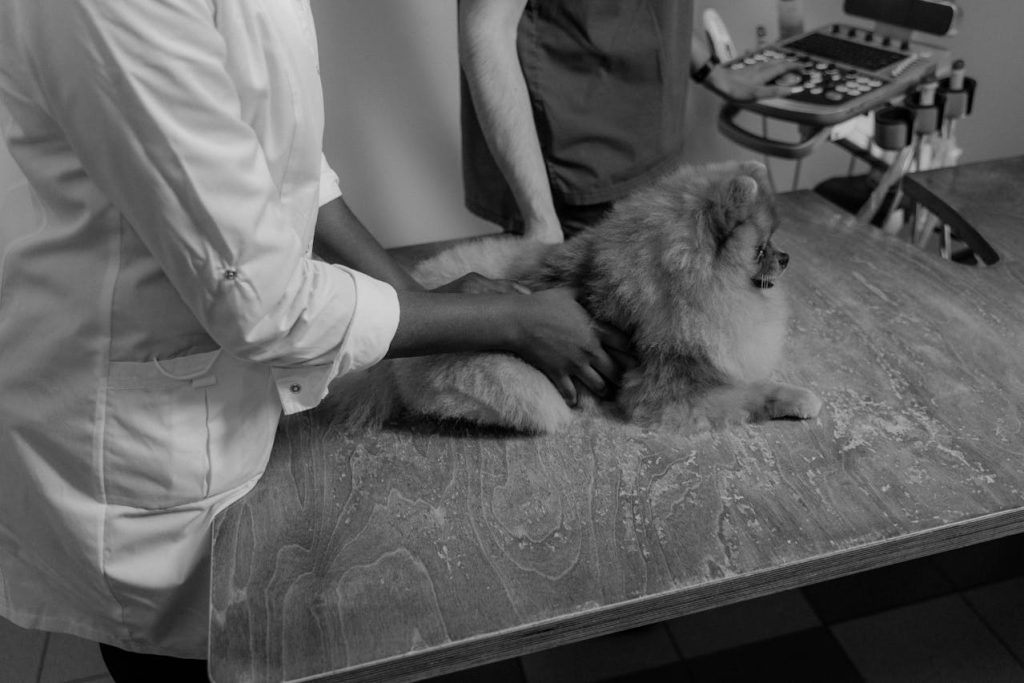
If a raptor makes a close pass, the safest immediate move is controlled retrieval of the pet and a quick move indoors, not chaotic chasing. After any talon contact, prompt veterinary assessment matters because punctures can be small, hidden by fur, and easy to underestimate in the first minutes.
The follow-up step is documentation. Time, location, species description, and behavior notes help wildlife officials evaluate whether conflict is territorial, food-driven, or temporary. Clear records also help owners adjust routines with evidence instead of fear. Measured response protects both the pet and the people involved.
What the Law Allows and Forbids

Legal boundaries are strict, and misunderstanding them creates bigger problems. USDA states that hawks and owls in the United States are federally protected under the Migratory Bird Treaty Act; U.S. Fish and Wildlife guidance also protects active nests with eggs or dependent young.
That means lethal action, trapping, or nest disturbance can carry legal consequences without permits. When conflict escalates, the path is to document behavior, contact state wildlife agencies, and use approved deterrence or exclusion methods. Acting first creates avoidable violations. Clear legal guidance before action protects pets, birds and owners.
Calm Habits Build Long-Term Safety
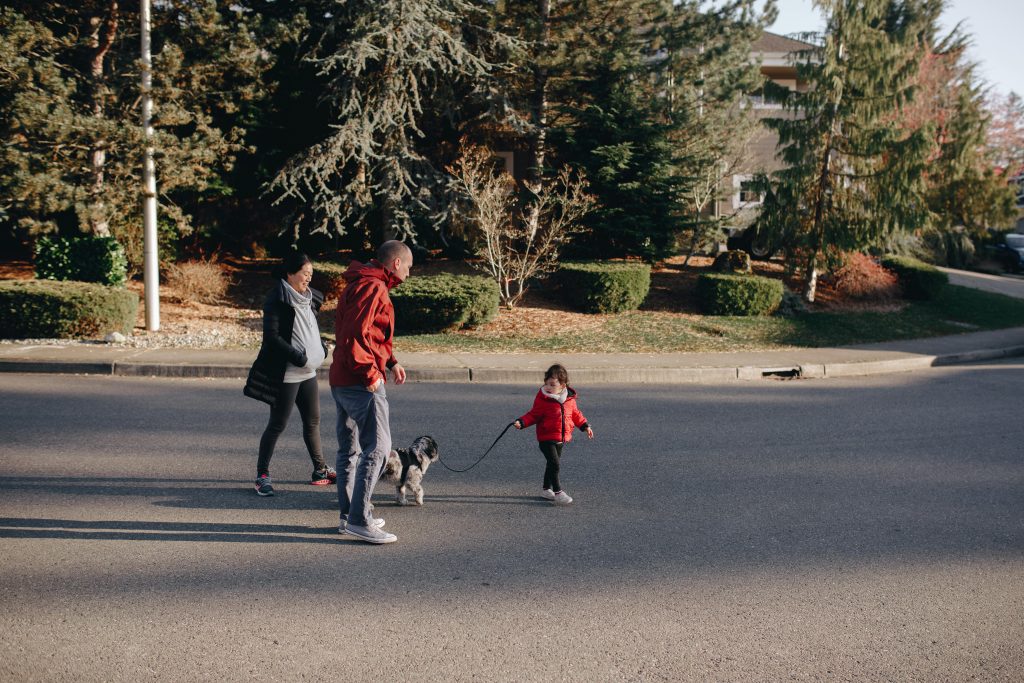
Long-term safety rarely comes from one gadget or one loud response. It comes from steady routines: supervised outdoor time, recall training, covered spaces for tiny pets, and seasonal adjustments when nesting pressure rises. These habits lower risk without turning a yard into a battlefield.
Families usually feel better once they replace rumor with field-tested practices. Raptors remain part of healthy ecosystems, and pets remain safer when owners focus on structure, timing, and legal, humane prevention. Preparedness is quieter than panic, and far more effective. Confidence grows when prevention is specific and repeatable.
Behind every frightening wildlife moment is a household trying to protect something deeply loved. Steady routines, lawful choices, and a realistic read of local bird behavior give families back a sense of control without treating every wingbeat as a crisis. That balance keeps pets safer, and it leaves room for coexistence with the raptors that share the same sky.