


At dawn and again after sunset, bobcats move through edges most people barely notice: creek corridors behind subdivisions, brushy lots between highways, and timber lines fraying into new construction. Wildlife biologists have watched a clear pattern emerge. In many regions, the species is not disappearing but adapting, using fragmented habitat with surprising skill while avoiding direct contact. Better monitoring, legal protections in some states, and expanding prey bases have made sightings feel sudden, even though the shift has been building for years.
California: Strong Numbers Along Wild Urban Edges

California still holds one of the widest bobcat footprints in the country, from coastal scrub to foothill oak woodlands and mountain corridors. Field work in Southern California shows a consistent pattern: bobcats persist near development when connected habitat remains in place, especially greenbelts, ravines, and undeveloped buffer zones. They are not settling into city life so much as navigating around it with precision.
What is changing now is the shape of land use. New housing, roads, and fencing can squeeze movement into narrow routes, so sightings cluster near trail margins and neighborhood edges. The species is thriving where planners preserve connectivity, prey stays available, and nighttime cover is left intact. That is why California can look crowded on a map while still supporting bobcats in many counties.
Arizona: Desert Adaptation Meets Metro Expansion

Arizona reports stable bobcat presence across elevations, including the urban wildland interface around Phoenix and Tucson. State wildlife guidance notes they are common and highly adaptable, which matches what residents see near washes, rocky slopes, and vegetated drainage lines. In hot months, shaded cover and reliable water points can concentrate prey, and bobcats quietly follow that pattern.
The reason this is happening now is simple and local. Metro growth continues to push into desert habitat, while irrigated landscaping creates pockets of food and cover at the edge of development. Bobcats are not becoming bold for attention; they are remaining efficient hunters in a reshaped environment. Where brush corridors survive and human attractants are managed, coexistence stays practical and conflict remains low.
North Carolina: Fragmented Forests Still Support Movement

North Carolina’s mountains, piedmont mosaics, and coastal plain still provide solid bobcat habitat, even where development has expanded. The species remains secretive, yet camera networks and roadside observations suggest broad distribution in suitable cover. Forest fragmentation does not always erase presence; it often changes travel behavior, with cats using creek lines, timber strips, and brushy transitions between open and wooded land.
The recent increase in reports is tied to visibility as much as numbers. More homes now sit beside mixed habitat, and more people run motion cameras year round. That combination captures activity that once passed unnoticed. Bobcats are thriving where habitat patches remain linked and prey communities stay diverse. The state’s edge landscapes, especially where planning protects cover, continue to function as living corridors.
Tennessee: Working Lands, Woodlots, and Quiet Persistence
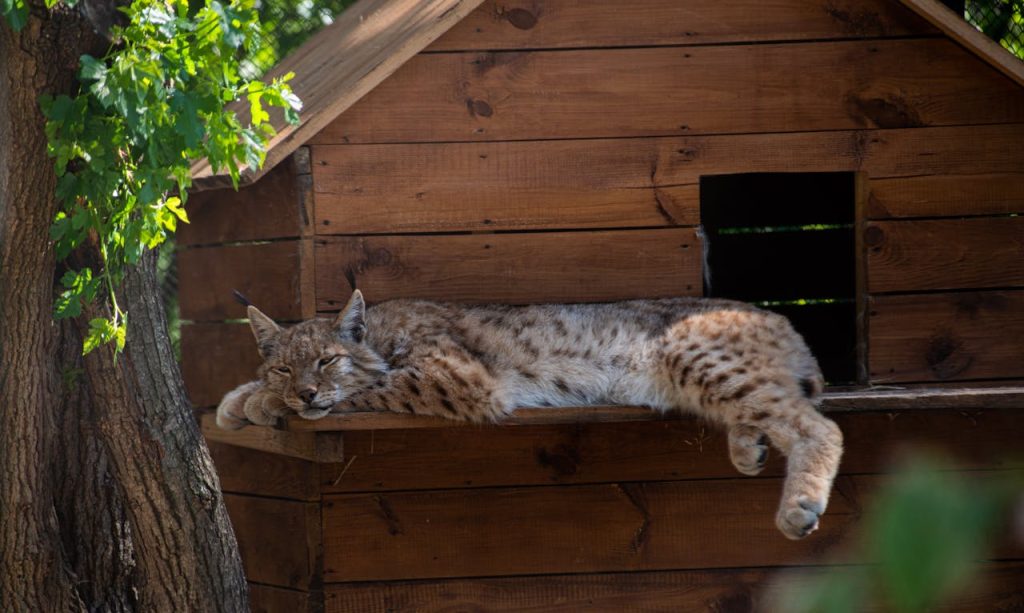
Tennessee’s bobcats do well in a mixed landscape of ridges, farms, second-growth forest, and riparian cover. They do not require untouched wilderness to remain established. They need concealment, predictable prey, and safe travel routes through brush and timber breaks. That is why they appear in places that look ordinary from the road but still hold structure that supports ambush hunting and daytime shelter.
Why now? Land conversion is creating more edge habitat, and edge habitat can favor bobcat movement when it is not over-cleared. At the same time, better reporting tools are documenting what was historically undercounted. Tennessee shows the broader national theme clearly: adaptable carnivores can persist in human-shaped landscapes when cover is continuous enough to avoid constant disturbance and prey remains within short hunting range.
Pennsylvania: A Recovery Story Backed by Management

Pennsylvania’s bobcat story is one of long recovery. State wildlife authorities report continued expansion since modern protections and conservative management replaced older pressure. Populations have spread numerically and geographically across much of the Commonwealth, especially in northern and western zones. That trend reflects decades of regulation, habitat stewardship, and science-based monitoring rather than a sudden short-term spike.
Current visibility is rising because healthy populations now overlap with high outdoor use, more trail cameras, and development along forest edges. More people on paths and more devices in woods mean more confirmed observations. Bobcats thrive here when large habitat blocks remain connected and disturbance is moderated. The state demonstrates that patient policy, plus durable habitat, can rebuild a native predator over time.
Michigan: Snow Seasons Make Hidden Activity Visible
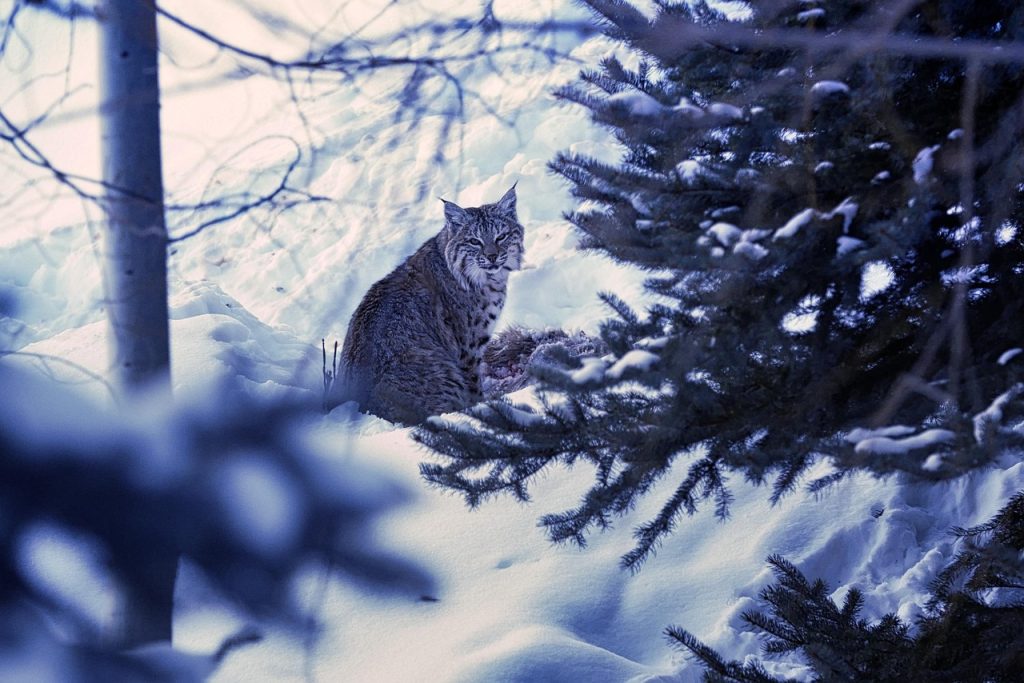
Michigan offers strong bobcat habitat in the Upper Peninsula and northern Lower Peninsula, where forest cover, winter structure, and prey availability support year-round presence. During snowy periods, tracks and trail marks reveal movement that stays mostly invisible in warm months. That seasonal visibility can make activity feel new, even when local bobcats have used the same corridors for years.
The current pattern reflects two forces. First, monitoring has improved through cameras and community reporting. Second, changing winter conditions can shift prey behavior, nudging predators toward edge zones where small mammals stay active near mixed cover. Bobcats thrive in Michigan because they are efficient energy managers, moving carefully through familiar routes. Where woodlots, wetland edges, and low-disturbance cover remain, they continue to hold ground.
Oregon: Diverse Habitat, Consistent Adaptability
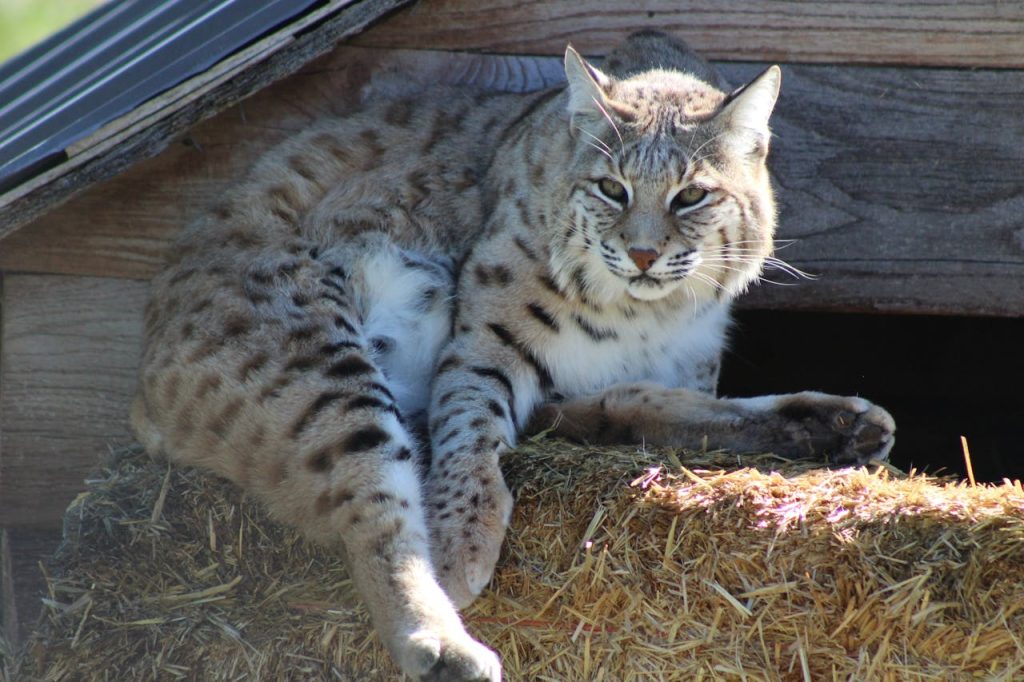
Oregon gives bobcats a broad ecological menu, from coastal forests to interior shrub-steppe and high desert transition country. That range supports a species built for flexibility. In many counties, bobcats use ecotones where brush, open hunting ground, and tree cover meet. These transition zones often sit near low-density development, so sightings rise when neighborhoods expand into previously continuous habitat.
What is happening now is not a mystery. More camera coverage, denser edge development, and stable prey in many areas have made bobcat presence easier to detect. They are thriving where land retains connected patches of concealment, not where habitat is fully simplified. Oregon’s pattern reinforces a key point: adaptable predators succeed in mixed-use landscapes when movement routes stay open and nighttime disturbance stays manageable.
Washington: Interface Zones Are Driving More Reports

Washington supports bobcats across varied terrain, including forests, shrublands, and semi-rural corridors near growing communities. As development meets brush country, interface zones become the main stage for sightings. The cats remain mostly nocturnal and low-profile, but tracks, camera clips, and brief dusk crossings are now common in places where older habitat boundaries have shifted toward residential footprints.
The present surge in attention comes from overlap, not sudden behavioral change. Homes, trails, and service roads now sit closer to existing travel routes, so observations increase without requiring a population boom in every area. Bobcats thrive where thickets, drainage lines, and undeveloped strips still connect larger habitat blocks. When local land design keeps those links intact, the species keeps functioning as a quiet native predator.
Virginia: Broad Distribution in a Rapidly Changing Landscape
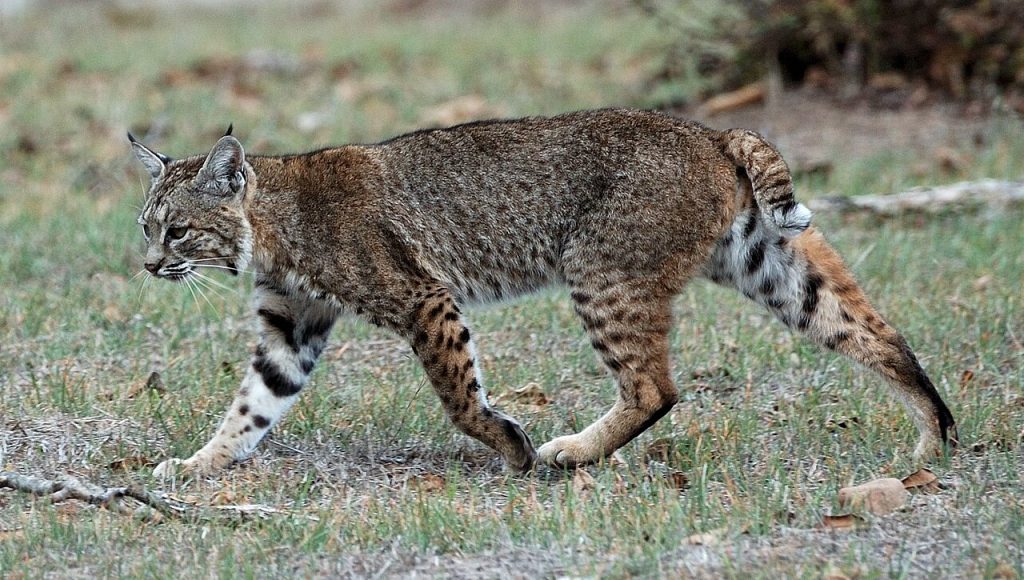
Virginia’s wildlife profiles place bobcats across much of the state in suitable cover, including forested ridges, mixed rural land, and transitional zones near suburbs. They remain elusive, yet signs of presence have become easier to document through tracks, game cameras, and regular reporting. This pattern fits a species that avoids close contact but continues to use fragmented habitat with careful route selection.
Why now? Growth at the suburban edge is increasing encounters at the exact line where human structures meet natural cover. At the same time, improved awareness has raised reporting quality. Bobcats thrive in Virginia where wooded connections, field margins, and riparian cover are preserved across parcels. The state’s trajectory shows that coexistence is realistic when habitat planning and everyday practices reduce unnecessary pressure.