

A pale-headed silhouette has returned to the Isle of Wight after more than two centuries away. White-tailed eagles are being released under a Natural England license as part of a careful reintroduction, and locals are beginning to notice repeat routes, familiar perches, and the same birds turning up again.
The shift matters because it feels different from a stray sighting. It looks like a coastline remembering its scale: broad wings over chalk, a slow bank above the Solent, then a drift toward marsh and harbor edges where food is steady. Wild-born chicks in southern England add hard proof that this return is starting to hold.
A Confidential Release Site, by Design

Releases happen at a confidential site on the Isle of Wight, and the secrecy is practical. It reduces disturbance, keeps crowds from forming, and gives young eagles time to read wind, tide glare, and ferry traffic without pressure. It also protects nests from becoming destinations.
Before release, juveniles spend weeks in aviaries that build strength while human contact stays minimal and routines stay calm. When the doors open, the birds lift into weather and choice, then vanish beyond headlands for days. That quiet start improves the odds that they roam widely, return safely, and later treat the Solent as familiar ground for pairing.
Scotland to Solent, With Proven Methods
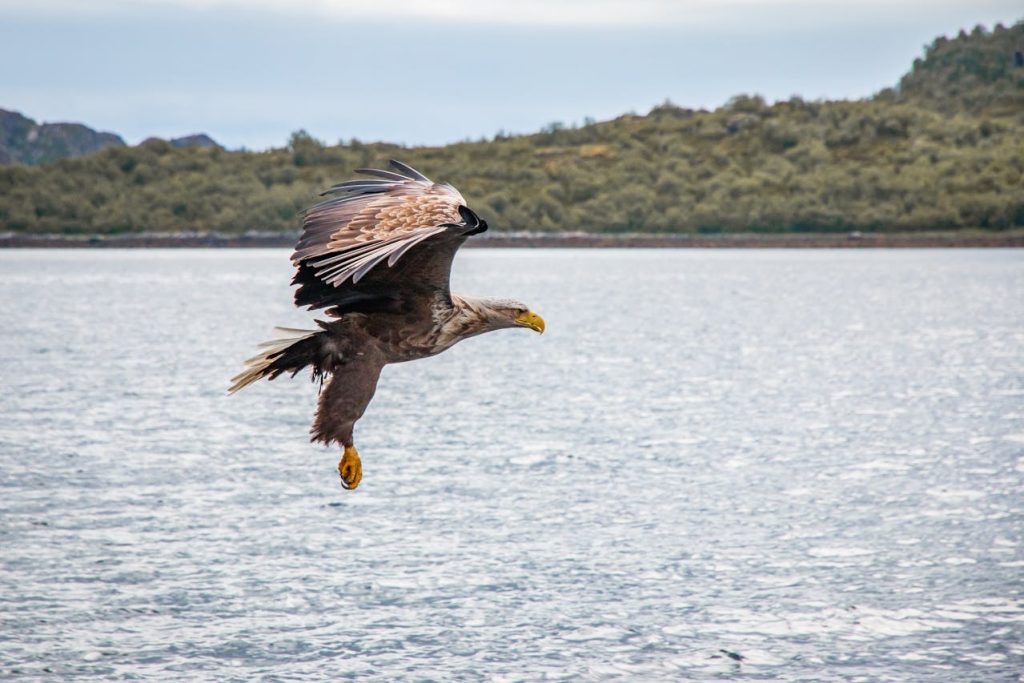
The Isle of Wight birds begin life in Scotland, collected as nestlings under license, then moved south and reared before release. It is a controlled handoff meant to protect the donor population while rebuilding a missing one on England’s south coast. Natural England’s license set a cap of 60 releases, with the first planned for summer 2019.
The project follows reintroduction methods already used to restore white-tailed eagles in Scotland and Ireland. Care stays low-key so the birds keep their wild habits, not a dependence on people. The goal is straightforward: the Solent feels like home, and, with time, becomes breeding territory.
A Wingspan That Changes the Scale of the Sky
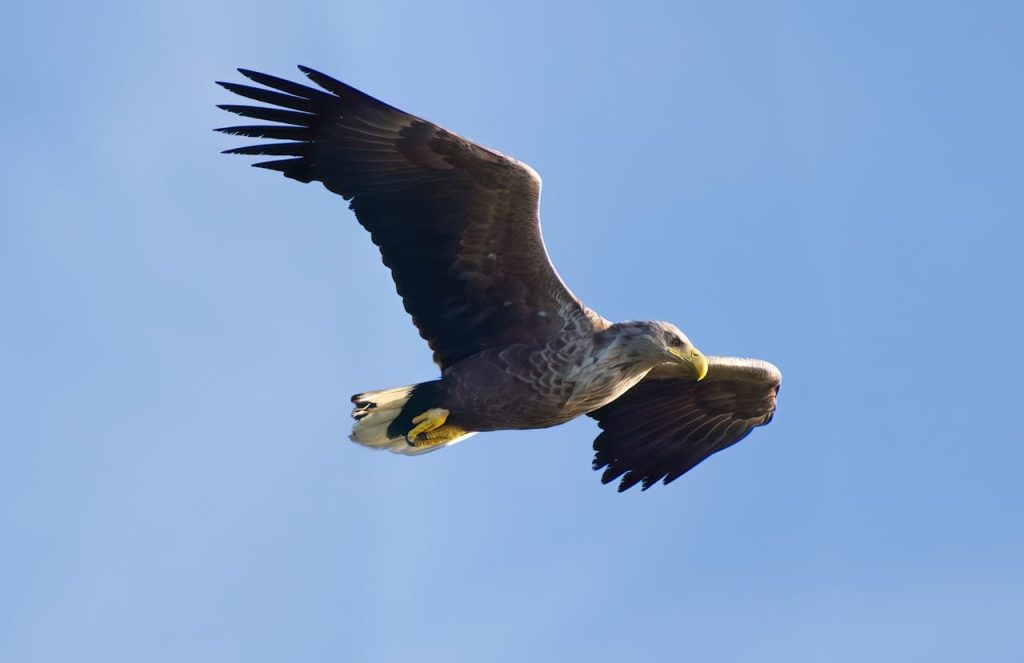
White-tailed eagles rarely look hurried. Often described as the UK’s largest bird of prey, they can reach about a 2.4 meter wingspan, and they fly with steady authority that makes smaller raptors look restless by comparison. Even at distance, a single glide resets what the horizon can hold.
Over the Isle of Wight, that shape fits the landscape: chalk ridges, open water, and marshes that offer lift and food. Recognition builds in small details, a heavy body, wide wings held flat, and the slow bank that seems to suspend time. As birds age, the paler head and bright tail can seal the identification, especially on bright Solent afternoons.
Satellite Tags Turn Sightings Into a Story
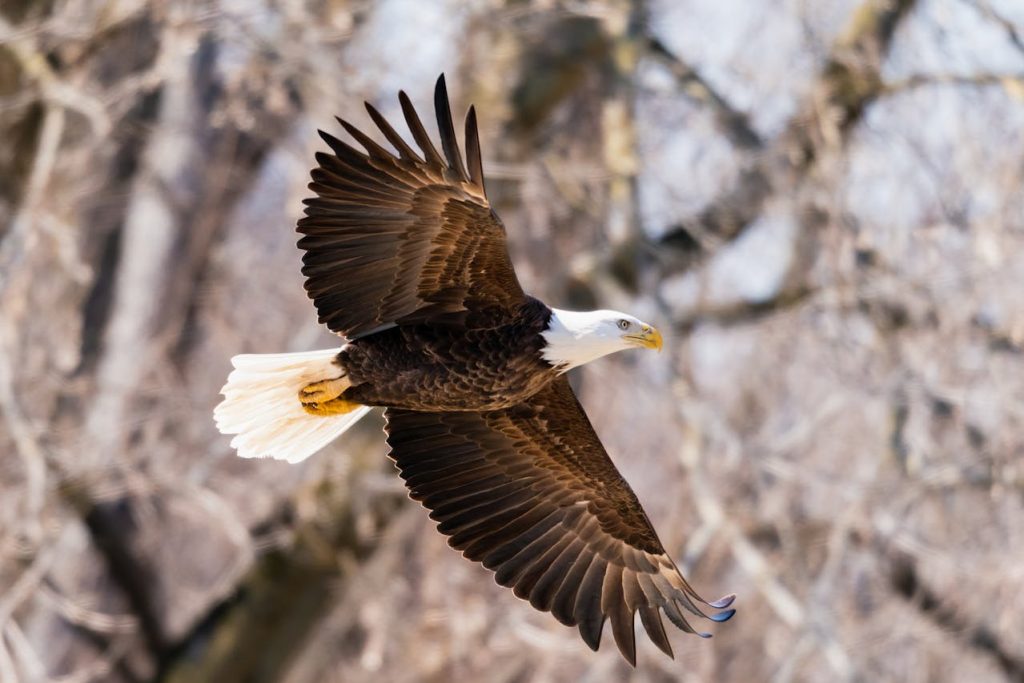
Released eagles carry satellite tags, so their movements become evidence, not rumor. The tracks show where a bird rests, how far it disperses across southern counties, and when it slips back toward the Solent after weeks away, sometimes without a single public sighting.
That stream of data keeps decisions calm. It helps managers spot risky areas, share verified updates, and explain why wandering is normal before adulthood. If a signal fails, it is noticed fast, which can trigger checks and added vigilance. Instead of crowds following birds, the project follows patterns, and patterns are what hint at territory and, later, nesting.
Return Loops Are the First Quiet Sign of Home
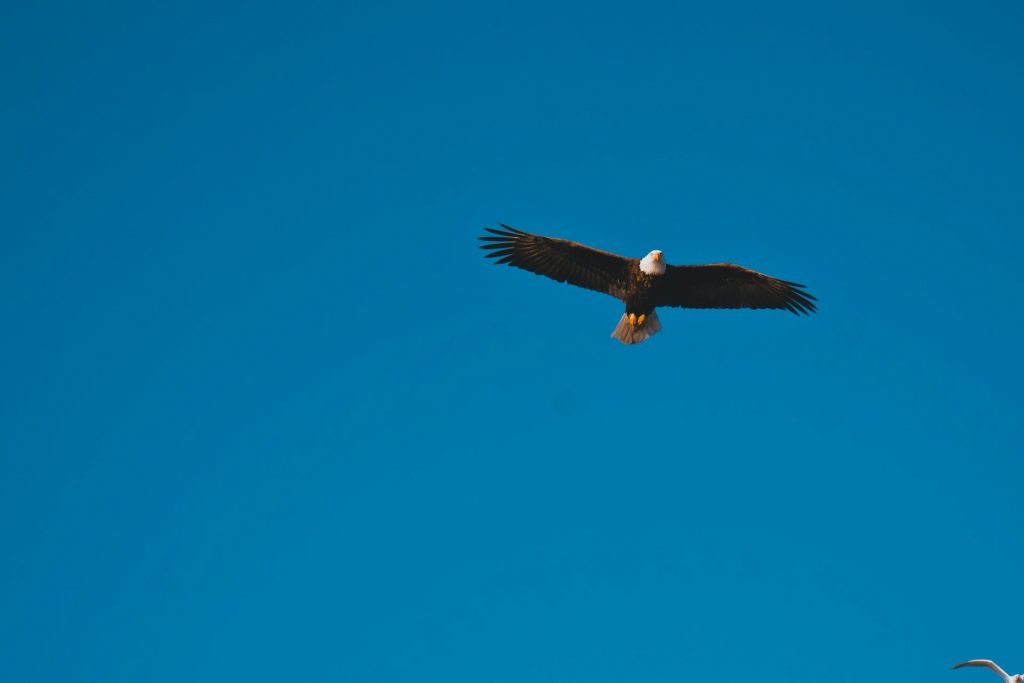
Most juveniles act like explorers at first. They trace rivers inland, skim reservoirs, and test coastlines, learning where fish are easiest, where gulls gather, and where a busy path makes roosting a bad idea. Storms teach another lesson: carrion appears, tides shift, and safe perches matter.
Then returns begin to repeat. A bird that swings back to the Solent after an absence is choosing the same conditions twice, not just passing through. Over time, those loops tighten into familiar flight lines, and familiar lines lead to regular roosts. When two eagles start sharing space and timing, the first signs begin to look like residency.
45 Releases, and the Shift From Visits to Territory
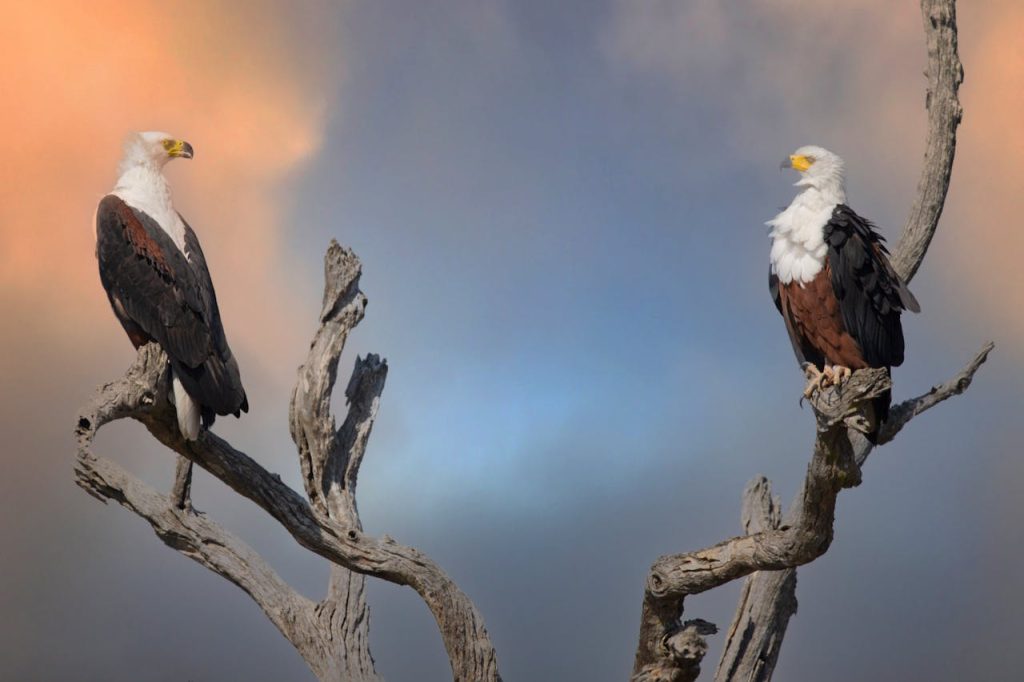
Reintroduction can feel abstract until the numbers start to hold steady. As of Aug. 2025, 45 young white-tailed eagles had been released through the Isle of Wight project, building a pool large enough for pairs to form over time. The aim is a small set of breeding pairs along the south coast.
Staying matters more than spotting. Several pairs have established territories in southern England, which suggests reliable food and tolerable disturbance. When the same birds appear in the same places across seasons, the story changes from novelty to presence. That is the moment the Isle of Wight starts to feel like a true home base.
Wild-Born Chicks Turn Hope Into Proof
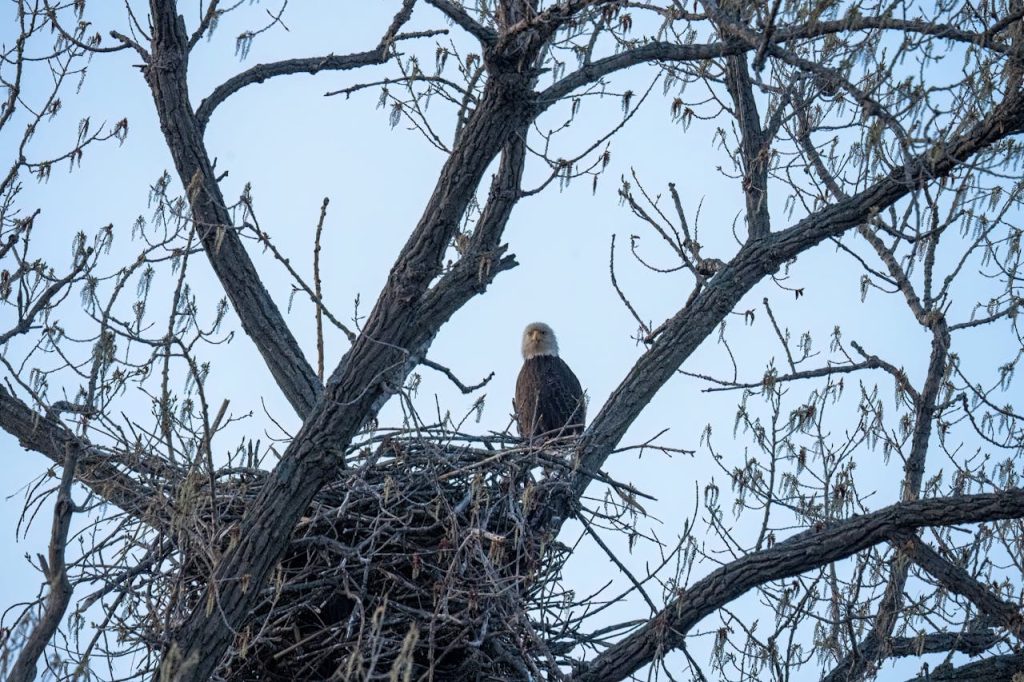
Breeding is the clearest signal because it requires time, food, and calm. In 2023, a white-tailed eagle chick was born in England for the first time since the eighteenth century, showing the birds were not just passing through. Because the species matures slowly, every successful nest carries extra weight.
The progress continued: two chicks were born in summer 2024, and in summer 2025 pairs in Sussex and Dorset both bred. Forestry England reported a record three chicks fledged in 2025, including the first in Dorset for over 240 years, bringing the project’s wild-born total to six. Nesting locations stay undisclosed to protect the pairs.
A Coastal Cleaner as Much as a Hunter
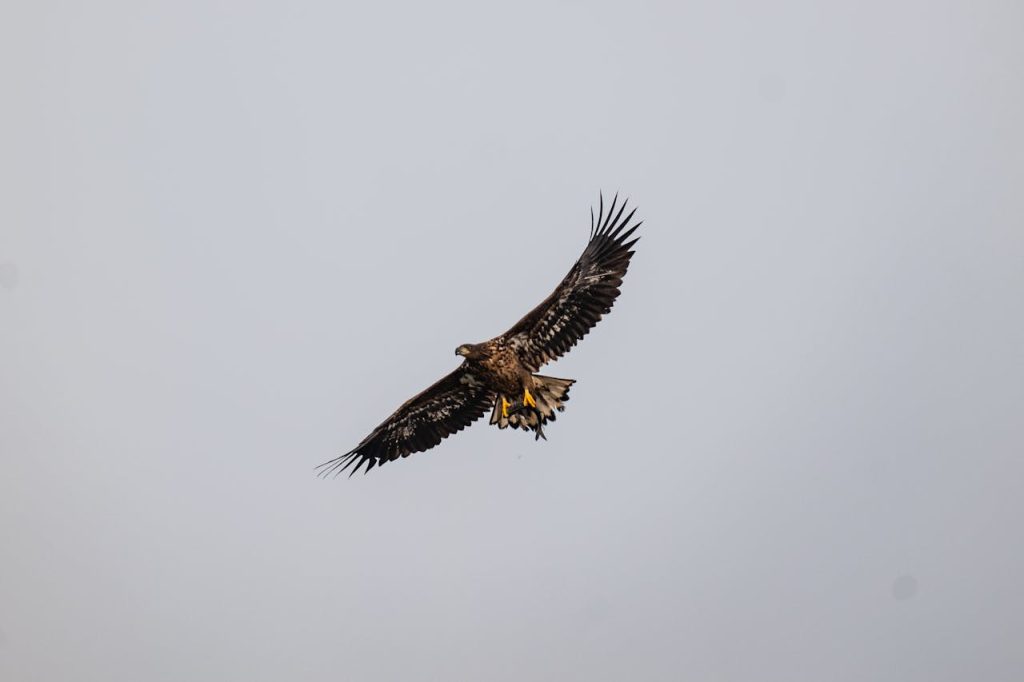
White-tailed eagles carry a fierce reputation, but much of their work is practical. They take fish and waterbirds, and they also scavenge, clearing carrion along shore and field edges. That mix matters on coasts where storms, tides, and grazing land constantly reshuffle what is available.
A large scavenger changes the order of arrival at a carcass and can alter how smaller predators behave nearby. Over time, that pressure can shift routines across a wetland, from where gulls linger to when corvids move in. On the Isle of Wight, the first signs of return are often subtle, the kind that only repeat visitors notice, season after season.
The Island’s New Wildlife Etiquette
A bird this large attracts attention, and attention can become pressure. That is why the project avoids sharing nest locations and asks for restraint around roosts. It is not about limiting enjoyment; it is about preventing a rare animal from spending energy simply avoiding people.
Distance is the difference between a calm glide and repeated flushing, especially in winter winds. Good behavior also protects the long view, because a disturbed pair is less likely to settle and breed. On the Isle of Wight, one of the most important first signs is social: more residents are treating an eagle sighting as something to respect, not to chase.
Setbacks Show Why Protection Still Matters
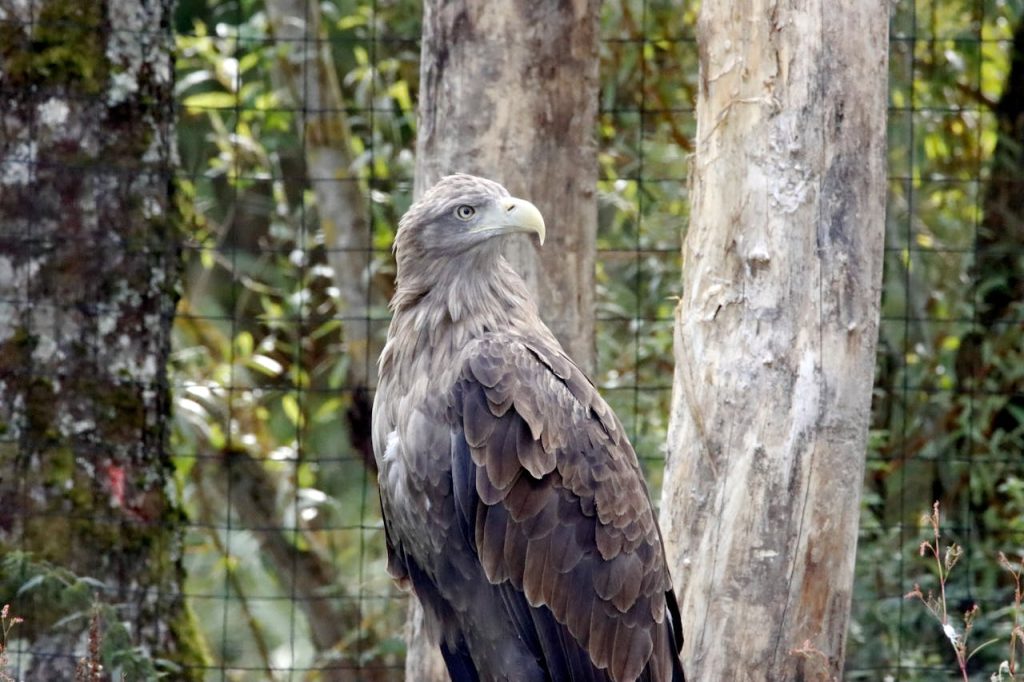
The return is not guaranteed, and recent events underline that. The RSPB reported three satellite-tagged white-tailed eagles disappearing in suspicious circumstances, with a £20,000 reward offered for information leading to a conviction. For a young population, losses land heavily because pairs take years to form.
RSPB details include tags recovered after being cut away and discarded, one from the River Rother in Sussex on Sept. 26, 2025, and another found on Welsh moorland on Sept. 13. A third tag stopped transmitting after Nov. 8 in Scotland. The Isle of Wight’s first signs become permanence only if protection keeps pace with wonder.