

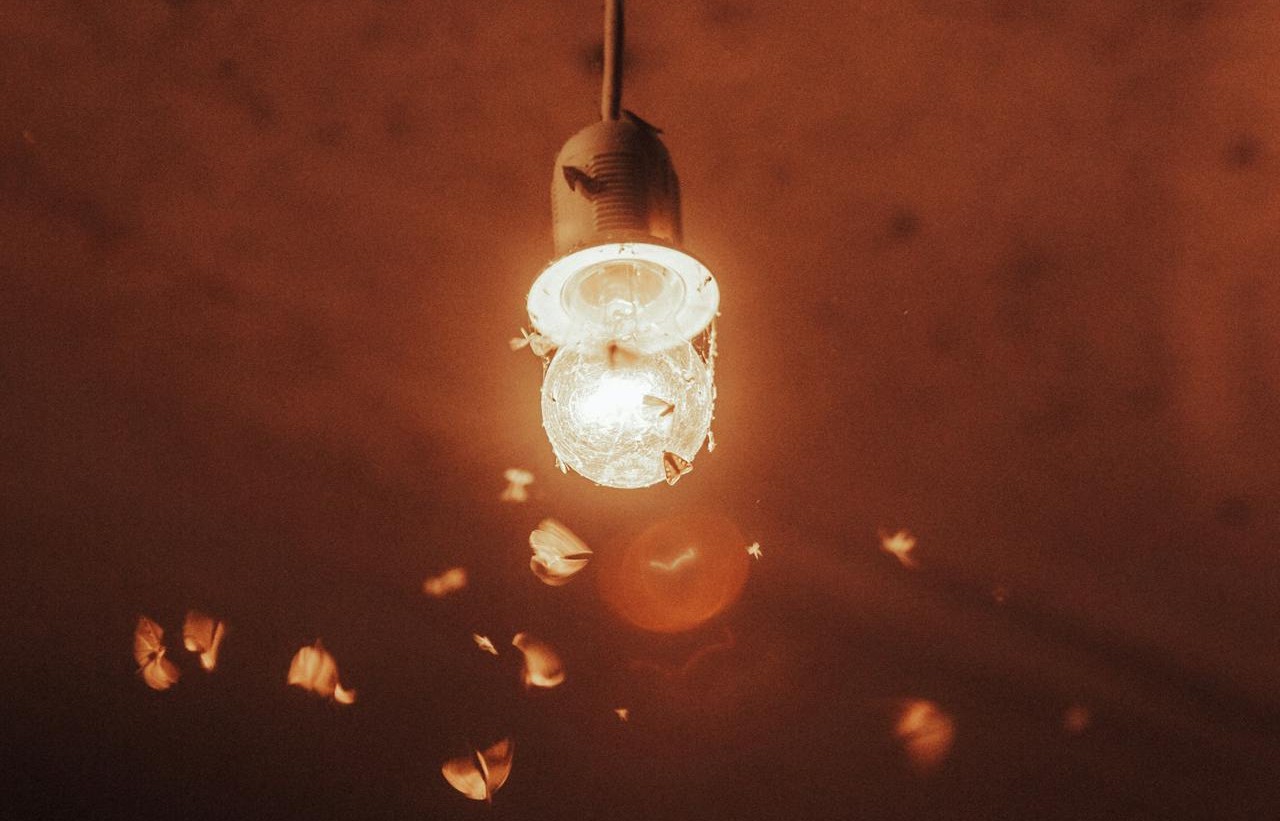
Warm evenings can make a front porch look busier than it is. A lamp clicks on, insects gather, and the doorway suddenly feels like the source of the problem. Research suggests the scene is less about insects loving bulbs and more about insects losing orientation near artificial light.
The setup is what many homes miss. A bright, exposed fixture mounted right over the door pulls insects into the exact spot where people pause and open the door. That placement turns a normal entryway into a nightly gathering point, and the traffic in and out makes the swarm feel worse than the yard itself might be.
The Light Is Not A Magnet
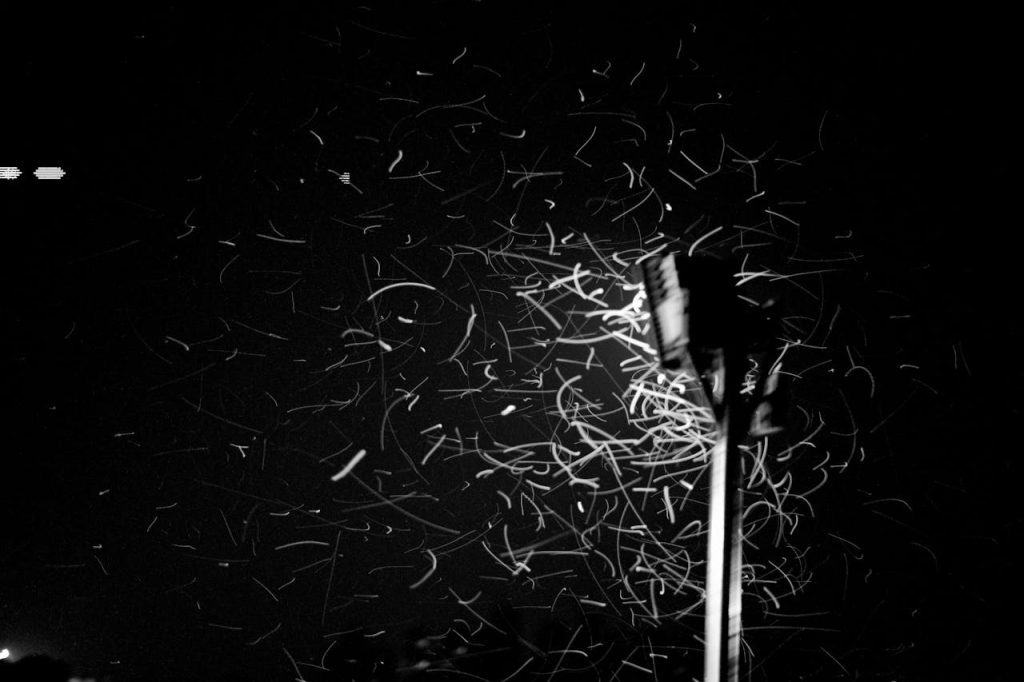
For years, porch-light swarms were treated like a simple case of insects chasing brightness. The newer explanation is more precise. Researchers tracking flight paths across many insect groups found that most insects near a lamp do not fly straight toward it.
Instead, they loop, stall, or veer in repeated patterns. The evidence points to a disrupted sense of up and down, because many insects use the brightest part of the sky to orient the back of the body in flight. A nearby bulb scrambles that cue, and the same study also pushed back on older ideas that heat or moon navigation confusion alone explain the behavior.
The Entryway Fixture Creates The Funnel
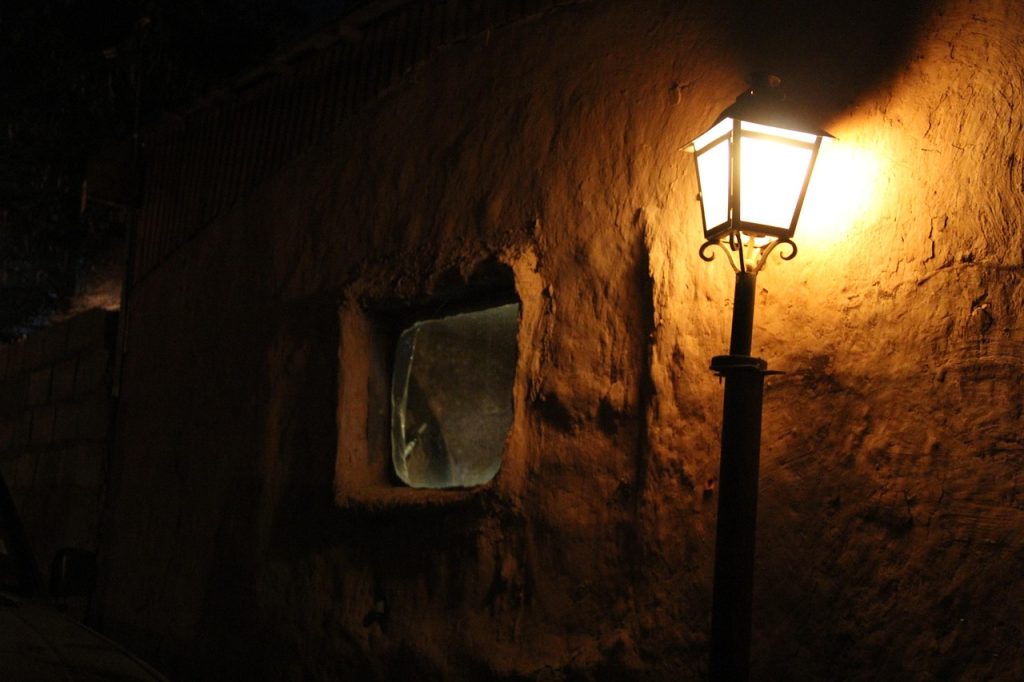
The most common home mistake is placing a bright light directly above or beside the main door, then treating the swarm as random summer activity. Mississippi State Extension notes that lights over or near entries can attract large numbers of insects, which then enter as people move through the doorway and linger at the threshold.
That detail changes the fix. The issue is not only how many insects are in the yard, but where the light concentrates them. When the brightest outdoor fixture sits at the entrance, the home creates a busy checkpoint where insects gather first and drift in during every opening of the door.
Unshielded Fixtures Make The Target Bigger
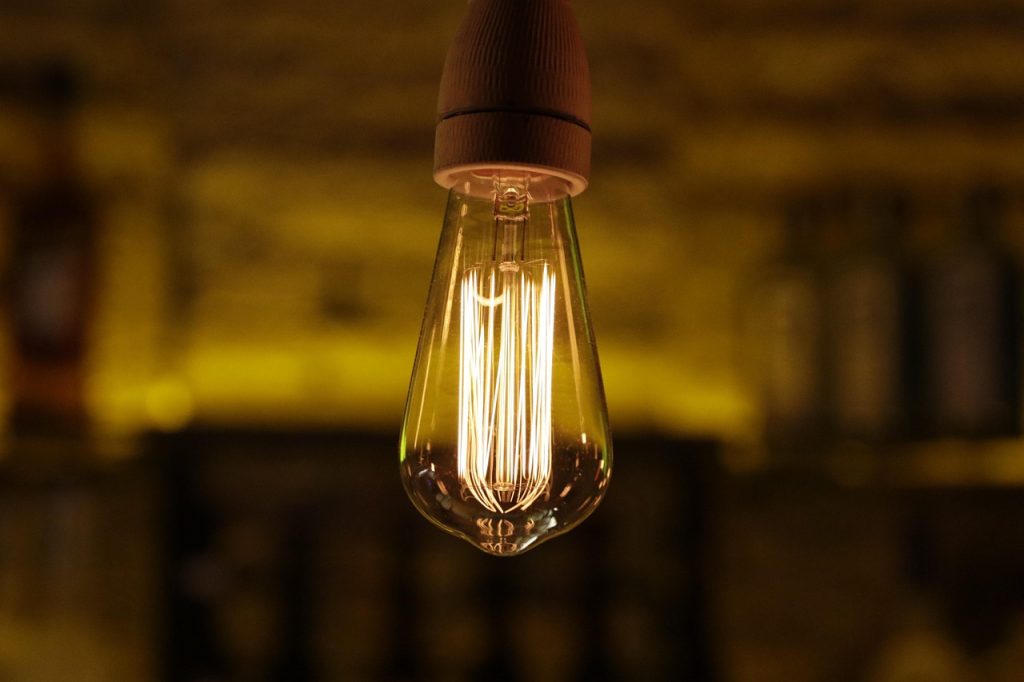
Fixture shape matters almost as much as bulb choice. A bare bulb or clear-sided lantern throws light outward and upward, creating a much larger glowing target than the walkway needs. That spill makes the porch visible from more angles and keeps more insects circling near walls and screens.
Spill light on siding and glass keeps insects close to surfaces. DarkSky guidance and extension advice push the same fix: aim light down and shield it. When the beam is directed only where feet and locks need visibility, less glare leaks into the night, and fewer insects end up hovering in the entry zone.
Cool White Bulbs Pull More Activity
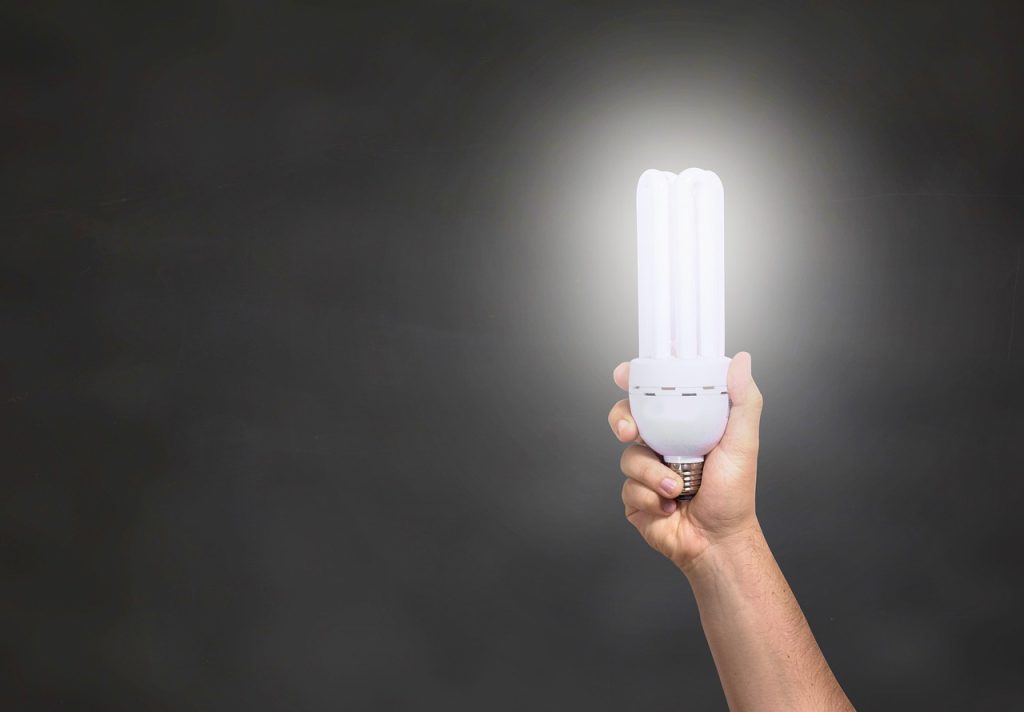
Color temperature makes a real difference. Cool white and bluish lights put out more short-wavelength light, and those wavelengths are more disruptive for many insects than warmer tones. That is why two porches with similar brightness can look completely different by midnight.
Research summaries from UCLA, DarkSky guidance, and U.S. Fish and Wildlife tips all point the same way: warmer light is easier on nighttime wildlife. Amber or yellow-toned lighting often attracts fewer flying insects than blue-rich white light, even though no bulb solves the issue for every species.
All-Night Lighting Extends The Swarm
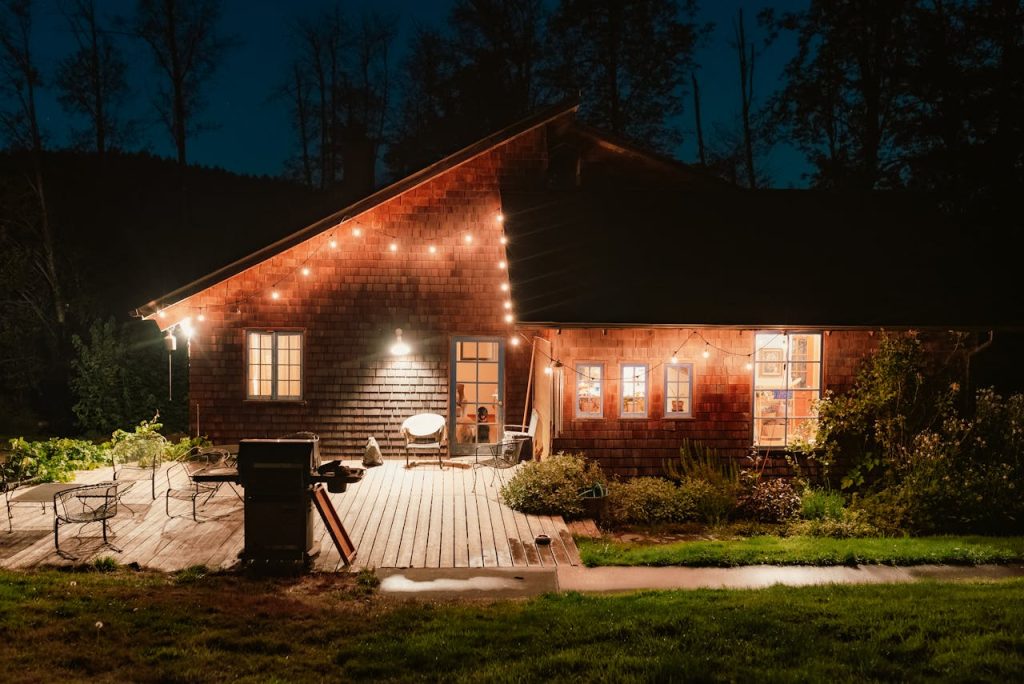
Another habit that makes swarms look relentless is leaving exterior lights on from dusk to sunrise, even when no one is outside. Long runtimes give insects hours to orbit the same area and keep the porch active during peak nighttime movement.
Many homes also leave decorative fixtures burning because they share one switch. Recent research reviews note that removing unnecessary light can reverse a range of insect impacts, and DarkSky emphasizes timers and motion detectors for the same reason. A shorter lighting window does more than save power. It reduces the time a home functions like a bright beacon.
Window Glow Adds A Second Beacon
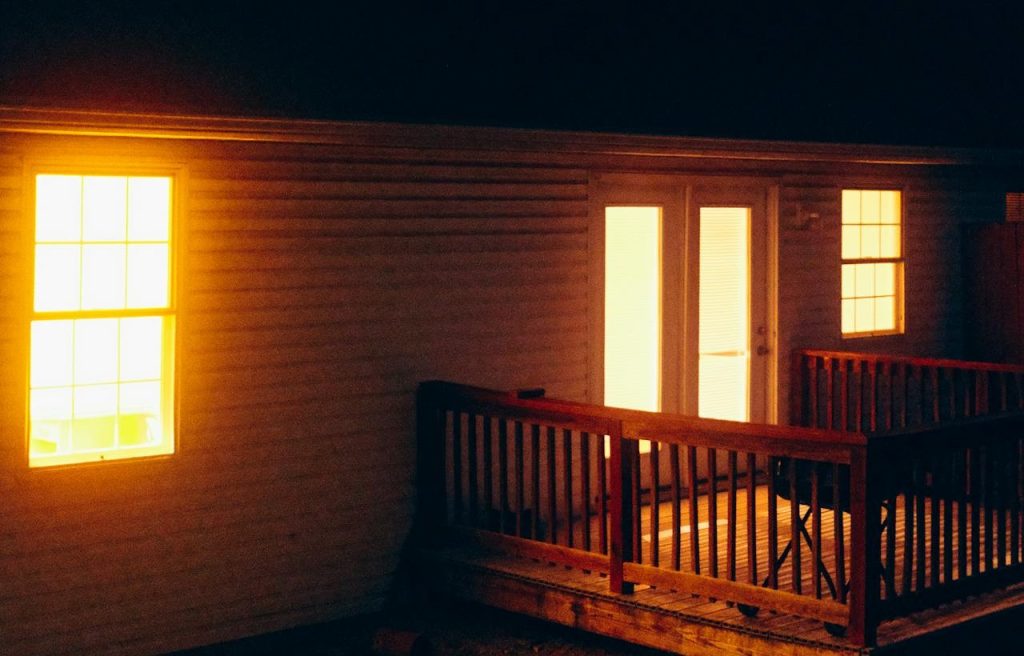
Indoor lighting can also feed the problem, especially in houses with bright rooms facing patios, glass doors, or large front windows. Light spilling through uncovered glass adds another glowing surface, and insects often gather on the pane or frame even when the outdoor fixture seems modest.
The U.S. Fish and Wildlife Service includes a simple tip that many households overlook: keep light indoors by closing blinds or curtains at night. That small habit reduces skyglow from the home, lowers the number of insects clustering on windows, and makes the porch feel calmer without changing every bulb outside.
Tiny Gaps Turn Porch Activity Into Indoor Bugs
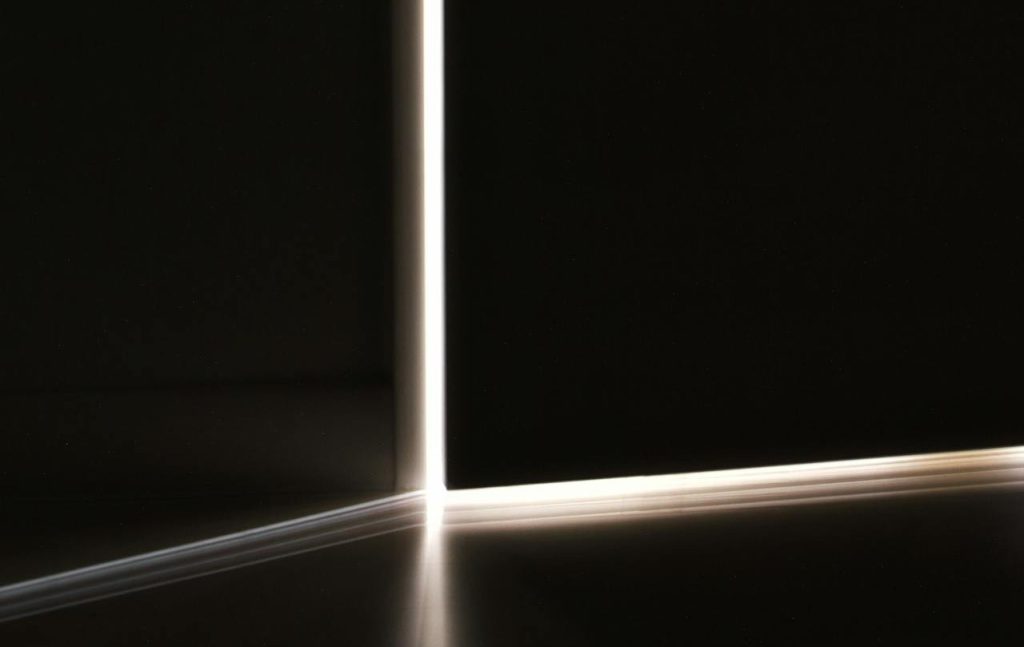
Once insects collect near the door, tiny gaps decide whether the problem stays outside. Many homes start with sprays and skip the seal check, even though the swarm is already sitting at the threshold. A weak door sweep can turn a lighting issue into an indoor nuisance.
Corners and screens fail first. University of Kentucky entomology guidance says gaps as small as 1/16 inch under exterior doors can allow insects and spiders inside. That is why a bright entry light and a loose threshold work so badly together: one gathers insects at the doorstep, and the other leaves a direct path through the opening.
Bug Zappers Add Light, Not Relief
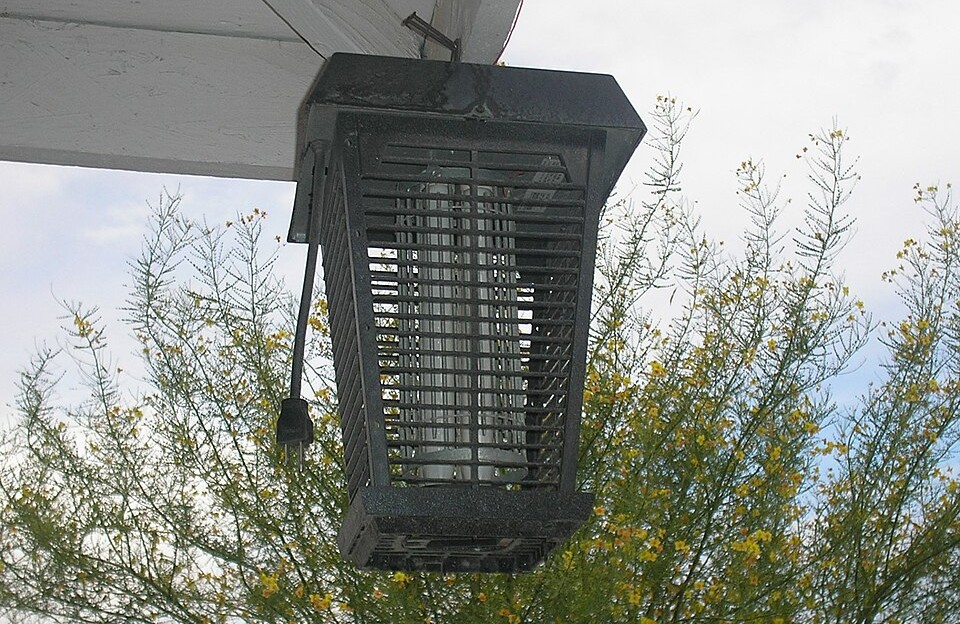
Bug zappers often feel like a fix, but they add another bright attractor to the yard. The noise makes them sound effective, yet university and municipal sources note that zappers are poor mosquito control tools and tend to kill many non-target insects, including moths and beetles.
UCLA researchers flagged the same problem in plain terms: zappers attract insects, are inefficient for mosquitoes, and often kill beneficial species while drawing pests closer. In practice, a zapper can turn a manageable porch swarm into a louder hotspot with even more insect traffic and less balance in the yard.
The Better Setup Uses Less Light More Precisely
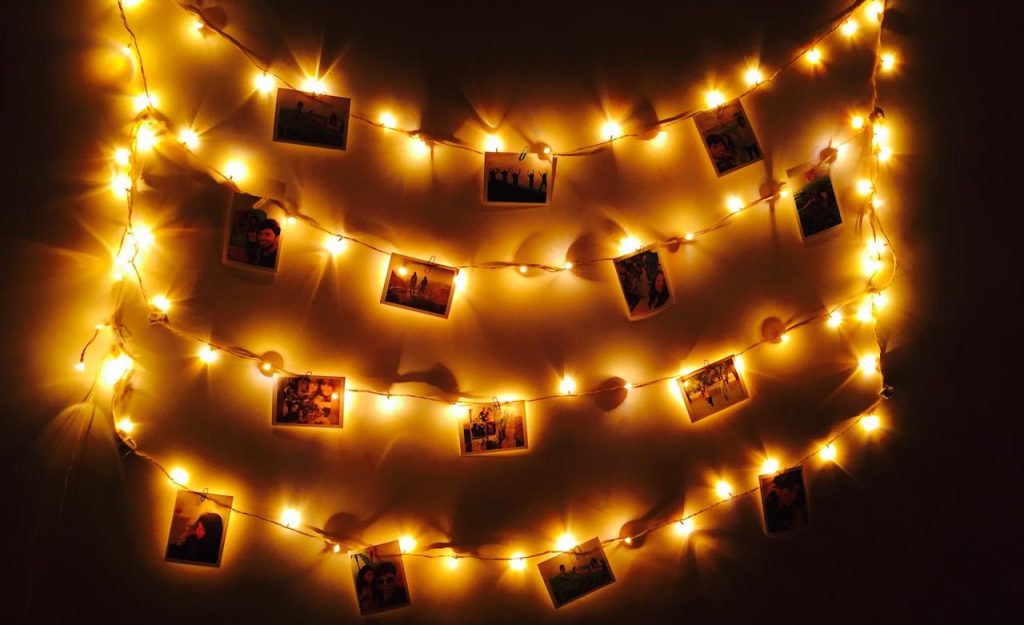
The calmer setup is usually less dramatic, not more expensive. Homes that reduce swarms tend to use warmer bulbs, lower brightness, shielded fixtures, and controls that limit runtime. The goal is not darkness everywhere, but light placed with intent.
A practical layout often works best when the brightest light is moved away from the door and aimed down on the path, while the entry uses a softer shielded fixture. Mississippi State Extension, DarkSky, and recent lighting reviews support that approach, and newer reviews also note shielding and motion detectors as especially promising.
Why It Matters Beyond The Porch
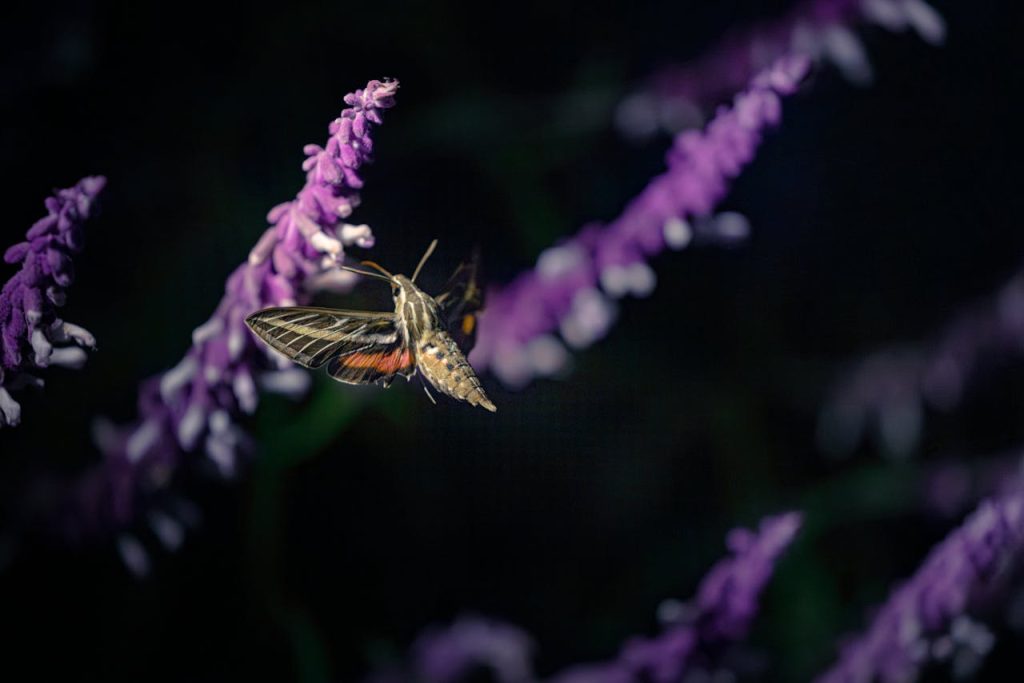
The porch swarm is easy to dismiss as a nuisance, but the effect reaches past the doorstep. Artificial light at night can disrupt nocturnal pollinators, and research summarized by federal wildlife guidance links lighting to fewer nighttime flower visits.
Peer-reviewed work also found a 62% drop in nocturnal visits in illuminated plant-pollinator communities, with lower fruit set in a focal plant. Federal guidance adds that lighting can raise predation risk for nocturnal pollinators, which helps explain why a home lighting change can matter beyond comfort. The effect can ripple into daytime pollination.
Seen clearly, the evening swarm stops looking like a mystery and starts looking like a lighting layout issue with a fixable cause. When homes treat the doorway fixture as part of the yard ecosystem, not just a switch on the wall, the porch gets quieter, indoor bug pressure eases, and the night settles into a healthier rhythm.