
Dry homes make many houseplants fail for one simple reason: leaves lose water faster than roots can replace it. Forced-air heat and winter cooling drop indoor humidity, so thin-leaved tropicals crisp at the edges, stall, and invite spider mites that thrive in dry air. The usual fix is more watering, but that often backfires by keeping roots wet and oxygen-starved. Growers instead match plants to the room: thick leaves, waxy surfaces, bulbs, or stems that store moisture, plus a tolerance for drying out between drinks. With the right picks, winter becomes a steady season, not a slow decline. That shift changes everything.
Snake Plant
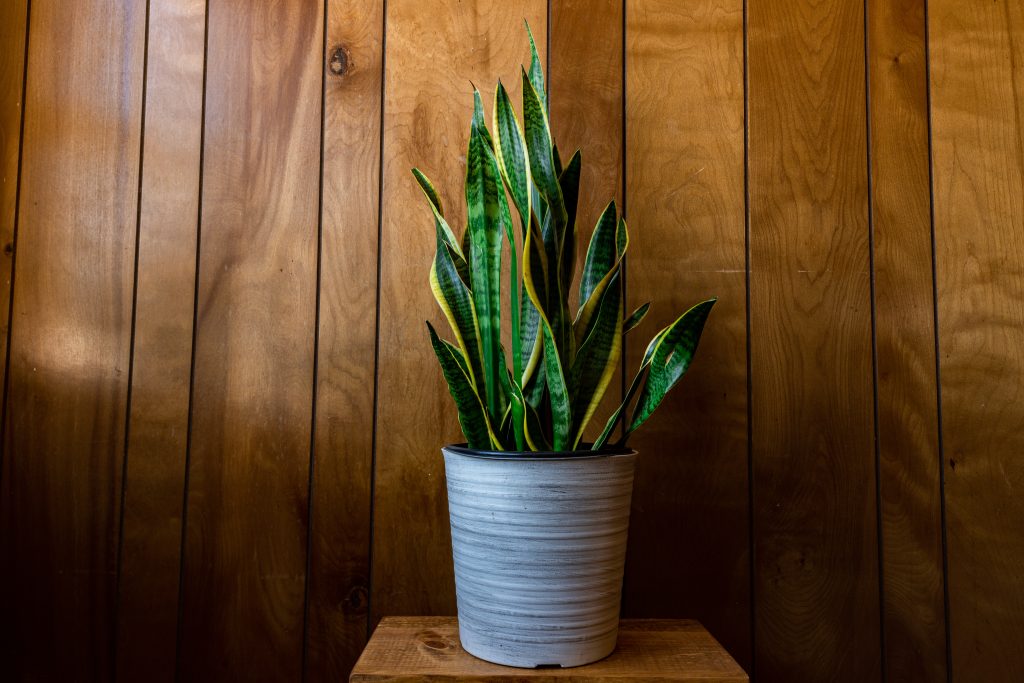
Snake plant survives dry homes because its stiff, waxy leaves release water slowly, and the plant is happiest when soil dries almost completely between waterings. In heater season it keeps its shape while fussier tropicals brown at the tips, and it shrugs off missed weeks as long as the pot drains fast. Most problems come from kindness: a heavy mix, a pot with no drainage, or frequent sips that leave roots cold and wet. Set it in bright to medium light, water only after a deep dry-down, and it stays upright, clean-edged, and quietly tough. Dusting leaves and rotating the pot every few weeks keeps growth even without chasing humidity.
ZZ Plant
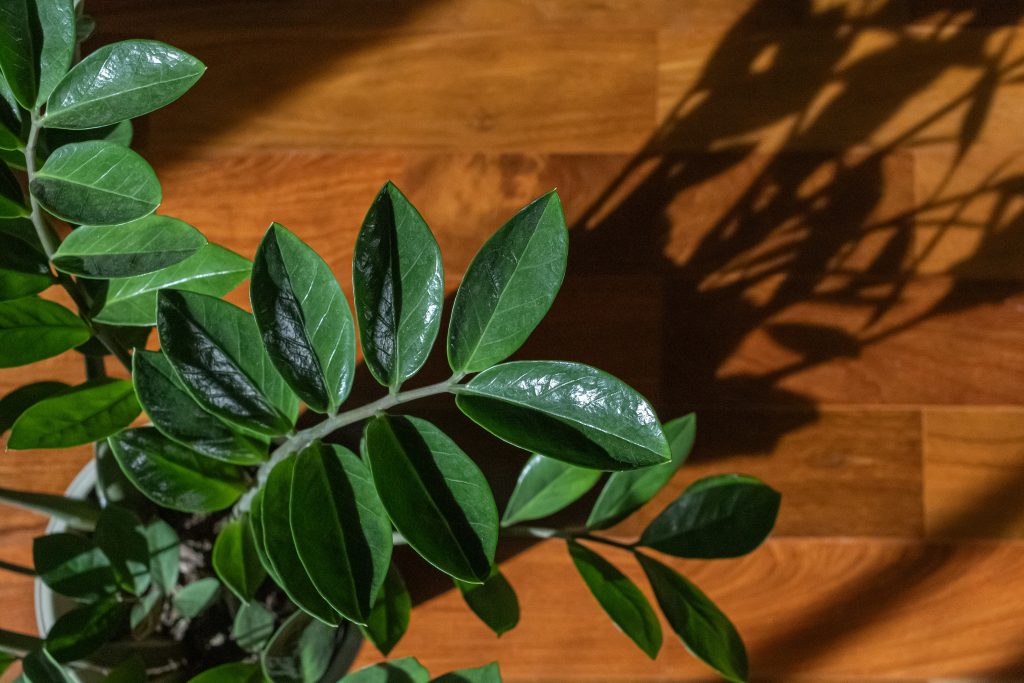
ZZ plant is built for dry air because it stores water in thick rhizomes and sturdy leaf stems, letting it coast through the long gaps that winter heat creates. It tolerates lower light, so it stays composed in corners where humidity is lowest, and it rarely shows tip burn unless the pot is kept wet. The failure pattern is predictable: frequent watering, a cold drafty floor, and a heavy mix that never dries, which can yellow leaves and soften roots. Let soil dry most of the way, then water deeply and drain, and the plant holds its glossy look with almost no drama for months. Its slow pace is a feature, so patience beats fertilizer.
Ponytail Palm
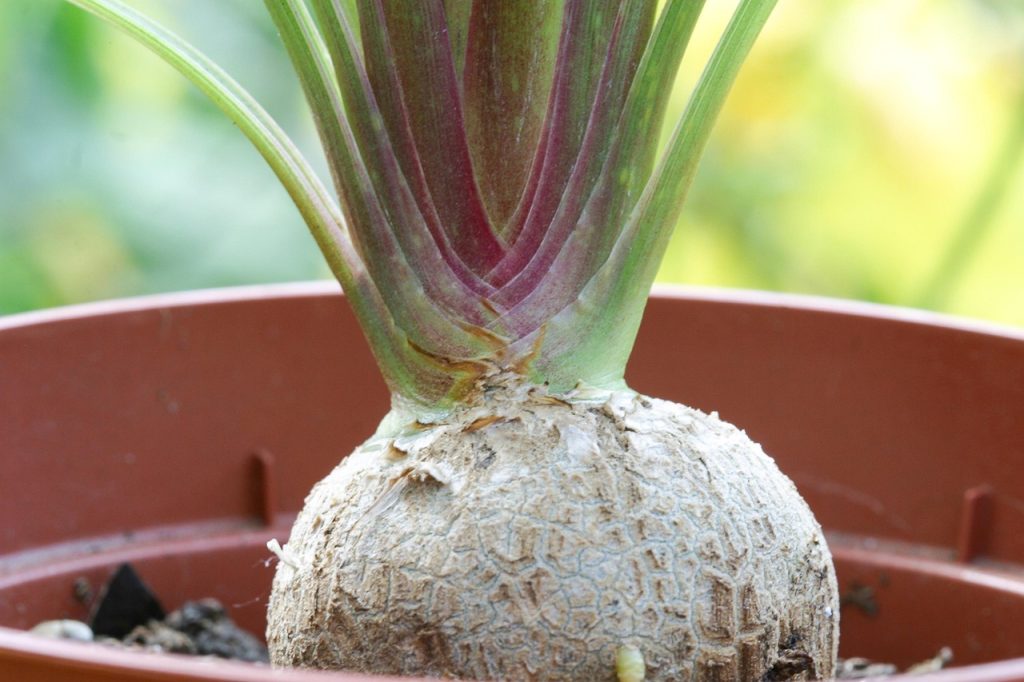
Ponytail palm is a drought plant disguised as a palm, with a swollen base that stores water so it can ride long dry stretches in heated rooms. Dry air rarely bothers it, but wet soil does, and overwatering can turn the base soft and invite root rot. It wants bright light, a gritty mix, and long pauses between waterings, with a thorough soak only after the pot is fully dry. When care is right, new leaves form a neat fountain, and the trunk stays firm, sculptural, and patient through winter. It also prefers snug pots, so sizing up slowly prevents a damp ring of soil that roots cannot use. Less is more.
Jade Plant
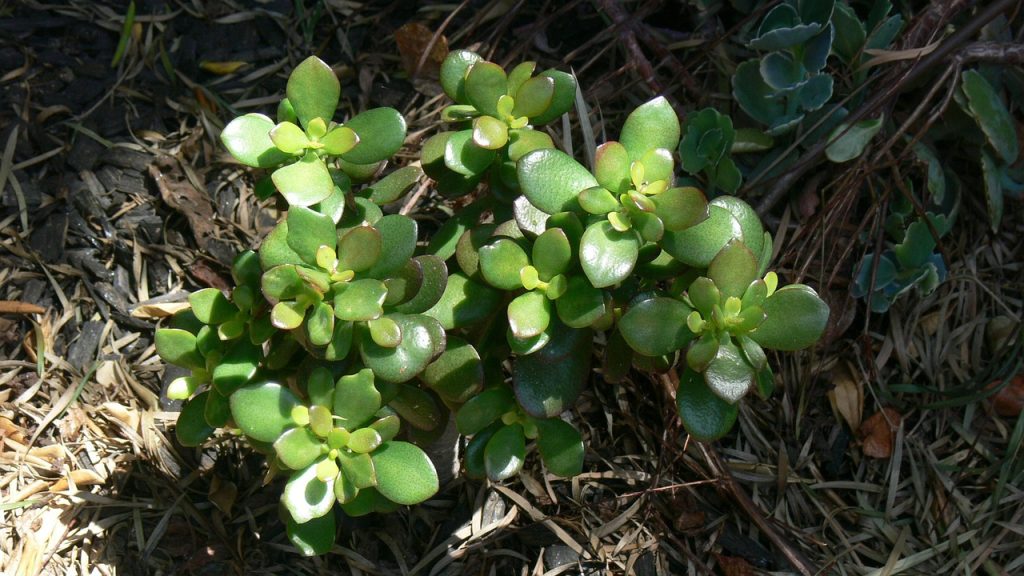
Jade plant thrives in dry homes because it stores water in thick leaves and woody stems, so low humidity feels normal rather than stressful. It likes bright light and warm rooms, and it actually prefers being a little thirsty over being constantly damp. The classic mistake is frequent watering that swells roots, softens growth, and invites rot, especially in winter when the plant slows down. Let the pot dry fully, then soak and drain, and jade stays compact, branchy, and satisfyingly heavy in the hand. A quick pinch in spring encourages branching, and rotating the pot keeps the plant balanced toward the window.
Aloe Vera
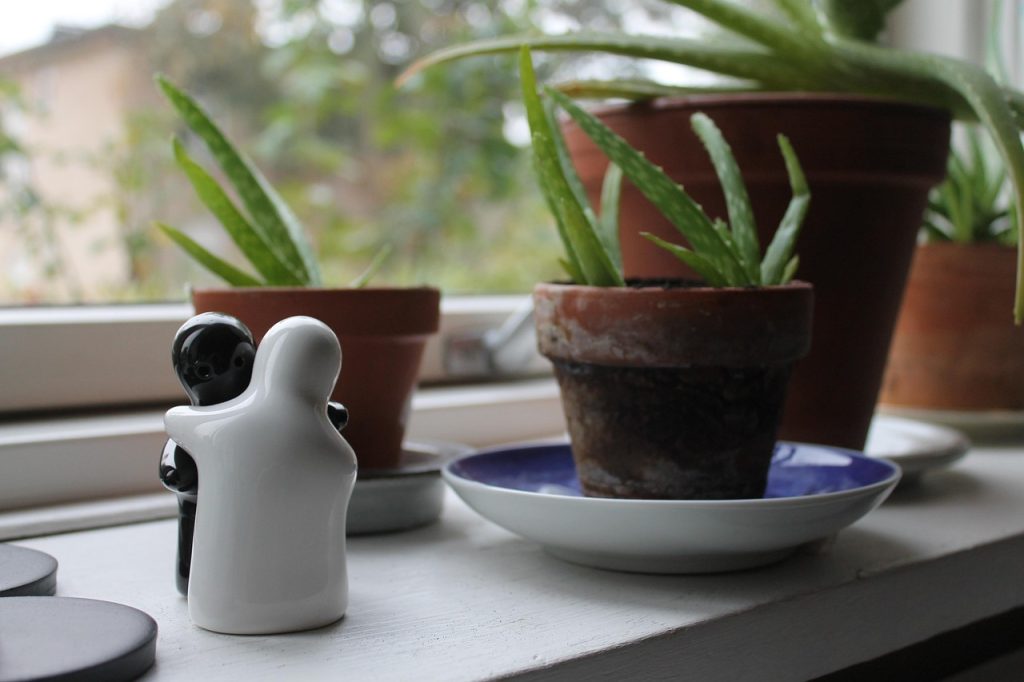
Aloe vera is a desert survivor, so dry indoor air is rarely what harms it. The real threat is a pot that stays wet, since heavy soil and frequent watering can rot roots before leaves show obvious distress. A bright window, cactus mix, and a full dry-down between waterings keep leaves firm, upright, and gel-filled, even through long heating seasons. If leaves go thin, pale, or bendy, light is often too low, and the fix is sun and patience, not extra water or mist. In winter, watering can drop to every 3 to 4 weeks, and water should stay off the crown so it does not sit and sour. Drainage holes are nonnegotiable.
Yucca Cane
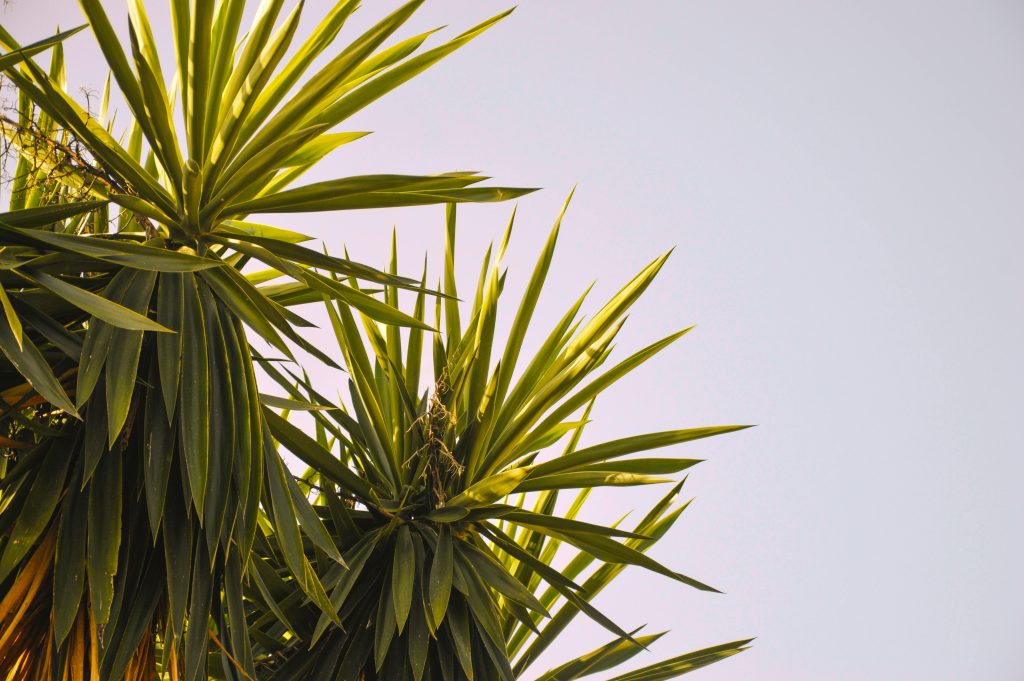
Yucca cane tolerates dry homes because it is built for drought, storing resilience in tough stems and narrow leaves that waste little moisture. Typical indoor humidity is enough, but constant watering is not, and soggy soil can cause soft trunks, yellowing, and sudden leaf drop. It prefers bright light that keeps growth strong and upright, and it benefits from a gritty, fast-draining mix. Water only after the pot dries deeply, then soak and drain, and yucca stays architectural, clean-lined, and unbothered through winter heat. If it outgrows the ceiling, the cane can be cut and rerooted, and new shoots often appear below the cut.
Kalanchoe
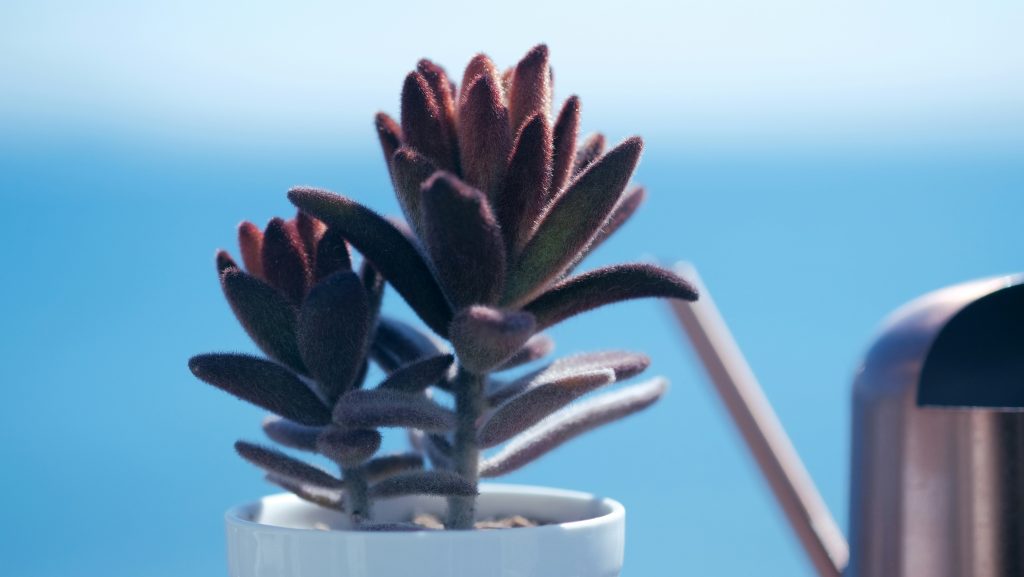
Kalanchoe is a flowering succulent that actually prefers the warm, dry air many homes create, as long as the potting mix drains fast. It stores water in thick leaves and stems, so it can skip weeks without drama when light is bright and the pot is allowed to dry fully. The usual failure is overwatering in cool months, which turns stems mushy and causes leaves to drop from the bottom up. Treat it like a cactus, feed lightly during active growth, and pinch after flowering to keep it compact and ready to bloom again. Removing spent flower clusters keeps energy moving, and rotating the pot prevents one-sided, leggy stretch.
Hoya Carnosa
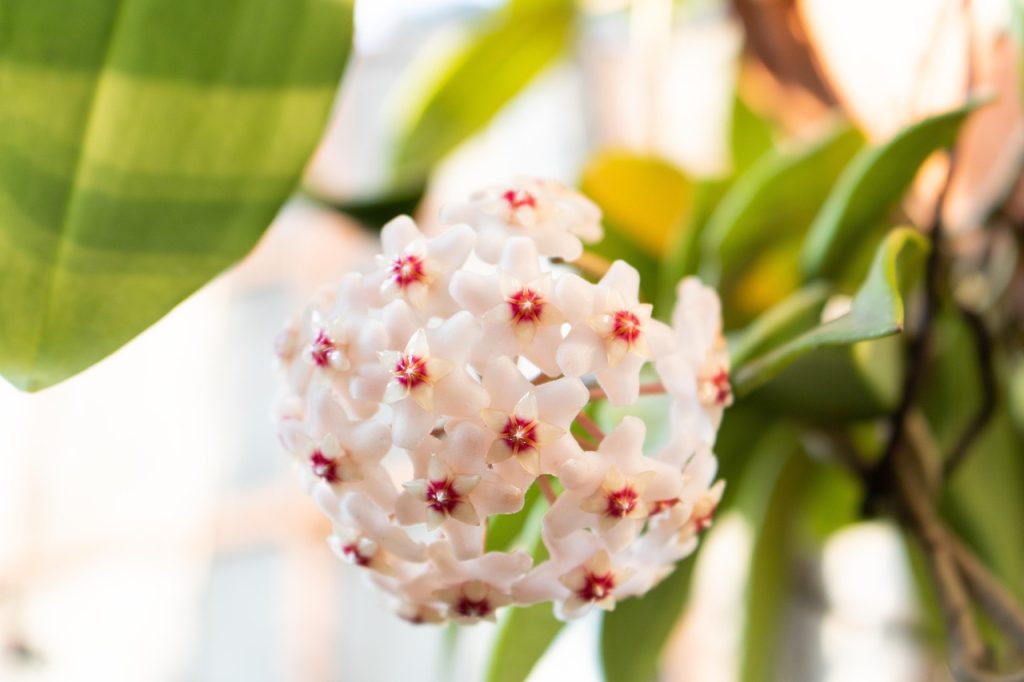
Hoya carnosa handles low humidity better than most vines because its thick, waxy leaves hold water and resist rapid moisture loss. It does not need a steamy bathroom to survive, but it does need roots that can breathe, since constant wetness is what triggers leaf drop. A chunky mix, a pot with drainage, and slight drying between waterings keep the plant stable, while bright, indirect light encourages new vines and eventual blooms. Once it starts budding, growers avoid moving it, because consistent light and routine help those flower clusters open instead of aborting early. Dry air slows it, but rarely breaks it.
Echeveria
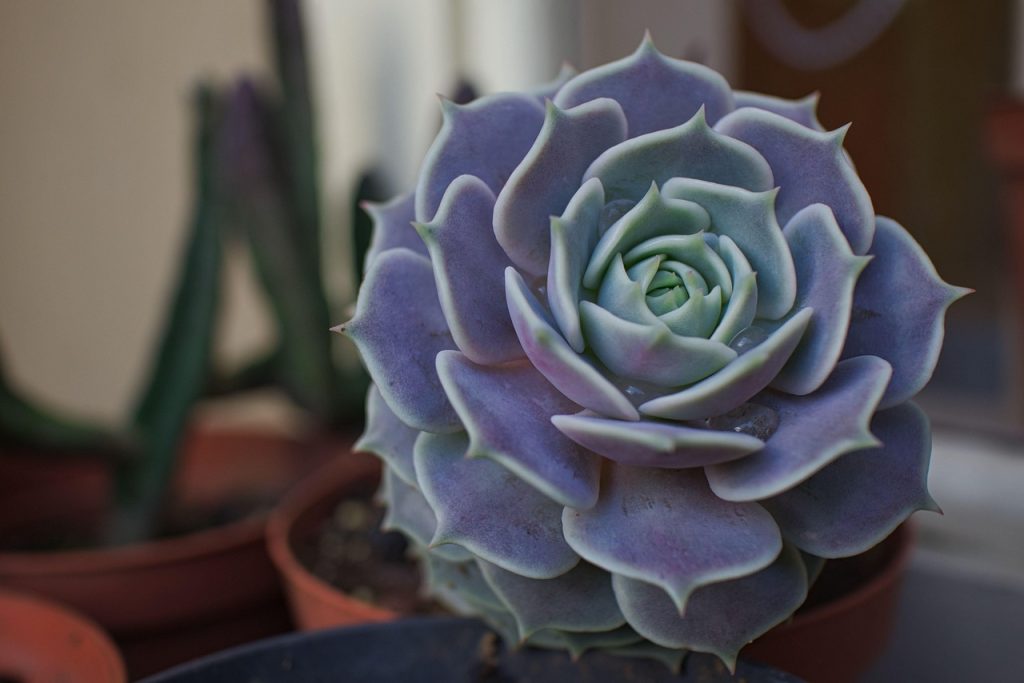
Echeveria is built for dry air, storing moisture in tight rosettes that stay efficient even when indoor humidity drops. The bigger challenge is light, since dim rooms make it stretch, loosen, and lose the compact shape that makes it look sculpted. A sunny window, cactus mix, and rare, thorough watering keep leaves firm and colors sharp, while soggy soil invites rot at the base. Growers water only after the pot is fully dry, then drain well, so the plant stays tight and symmetrical instead of soft and leggy. Old lower leaves can be peeled away once dry, improving airflow and reducing hidden pests.
Barrel Cactus
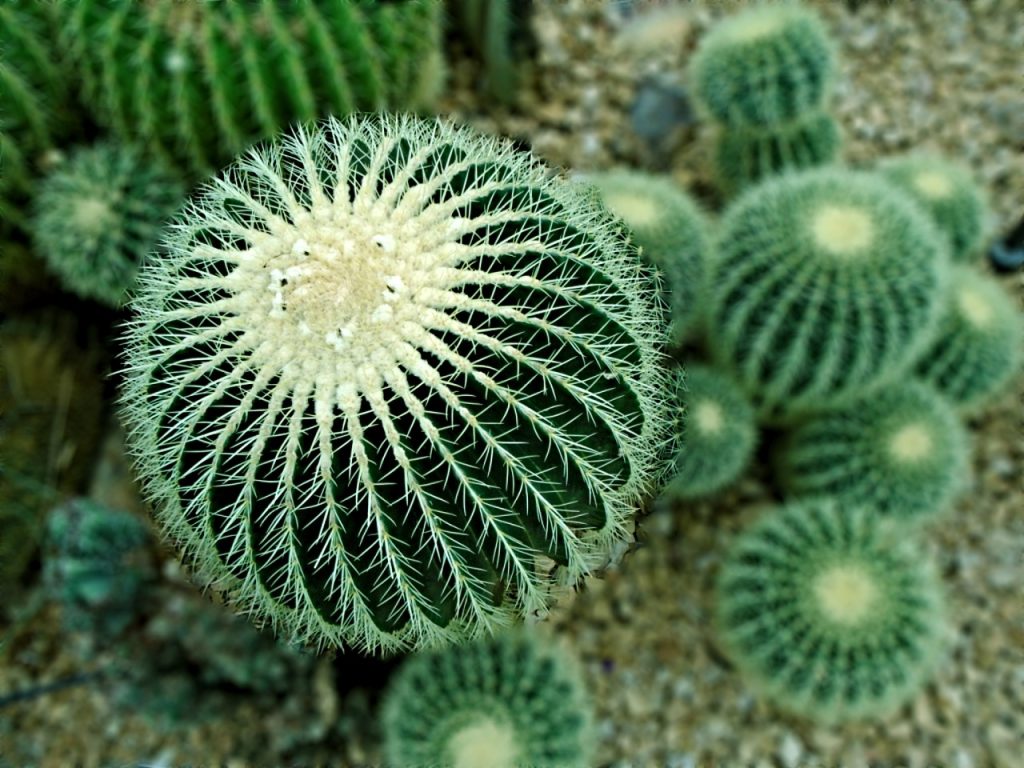
Barrel cactus tolerates dry homes because low humidity is its native setting, and its ribbed body stores water for long droughts. It needs bright light more than it needs attention, and it prefers a soak-and-wait routine rather than frequent sips. The fastest way to damage it is watering on a schedule, which keeps roots damp and invites rot, especially in cool months. With a gritty mix, a pot that drains fast, and water only when soil is bone dry, it stays firm, upright, and remarkably long-lived indoors. Rotating it a quarter turn prevents leaning, and gradual sun exposure avoids scorch after dark winters.
Crown Of Thorns
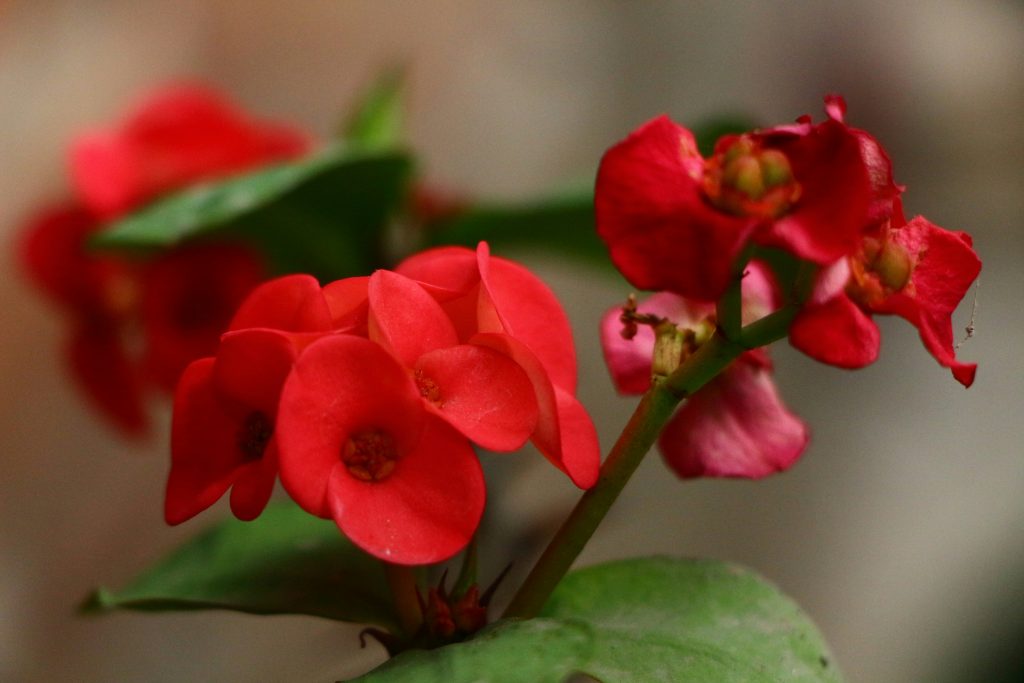
Crown of thorns brings color to dry homes because it stores water in succulent stems and keeps going when humidity is low. It prefers bright light and a gritty mix, and it would rather dry out than sit in damp soil, especially during winter slowdowns. When it struggles, the cause is usually shade and overwatering, which produce sparse growth, dropped leaves, and fewer blooms. Handled carefully because the milky sap can irritate skin, it rewards restraint: deep water only after full dry-down, then long calm stretches where flowers keep coming. Light pruning after a bloom flush encourages branching and a fuller shape.
String Of Pearls
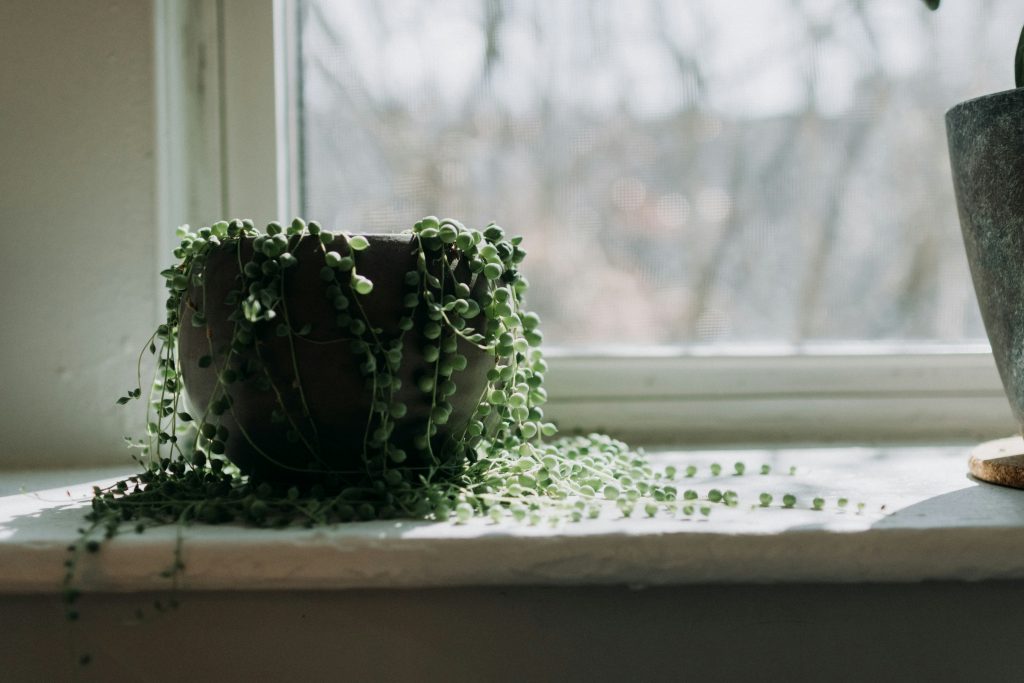
String of pearls tolerates dry air because each bead is a tiny reservoir with limited surface area, so humidity swings matter less than soil moisture. It fails from wet roots, not from a dry room, which is why a fast-draining mix and a pot with drainage are essential. Bright light keeps strands tight and full, while dim rooms cause stretch and bead drop that looks like slow unraveling. Water briefly but thoroughly, then wait through a long dry period, and the plant stays plump and trailing instead of shriveled and sparse. Growers often bottom-water to keep beads dry, since damp pearls against soil can spot and rot.