

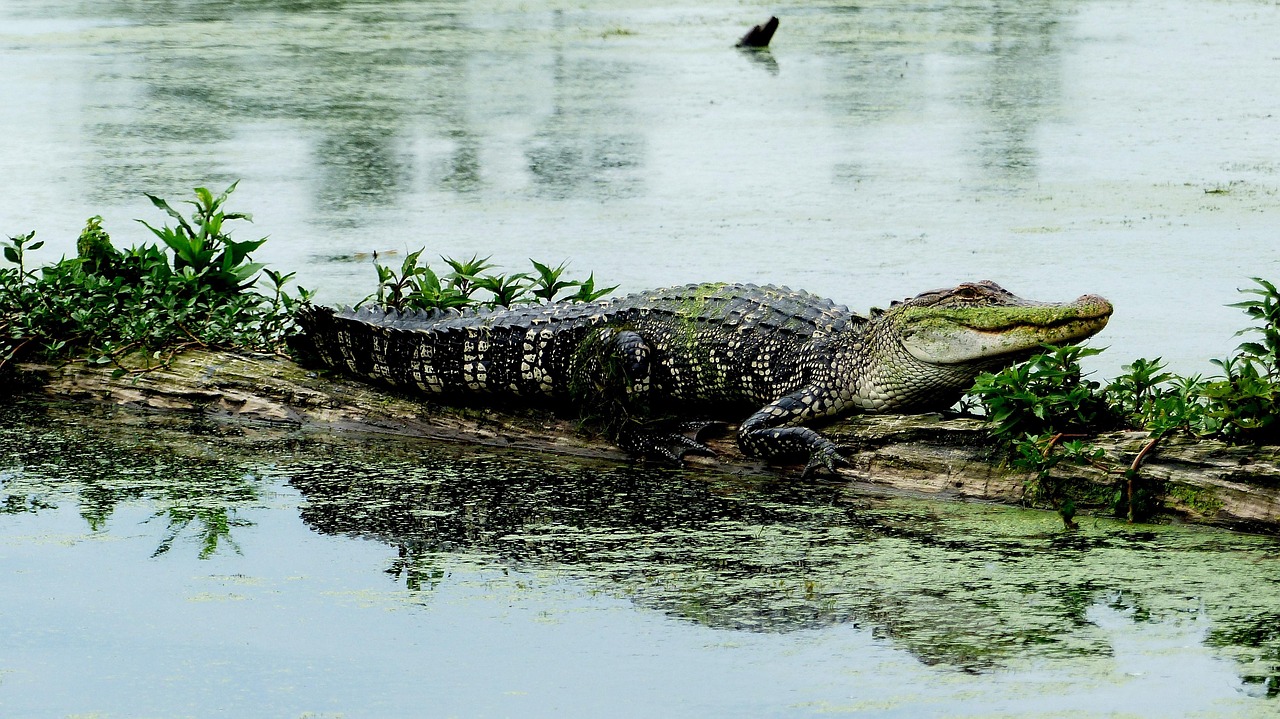
The Everglades story is not a neat predator showdown. It is a long-running invasive-species problem playing out across a massive wetland where detection is hard, reproduction is high, and ecological pressure spreads across connected habitats. Burmese pythons are now deeply established in South Florida, with estimated numbers still in the tens of thousands.
That scale is why the conflict does not settle into a calm pattern. Even when removals are strong, fresh recruitment, shifting prey structure, and range-edge expansion keep the system moving. What looks like a single clash is really a feedback loop driven by biology, landscape, and management limits happening all at once.
Population Size Keeps Resetting the Conflict
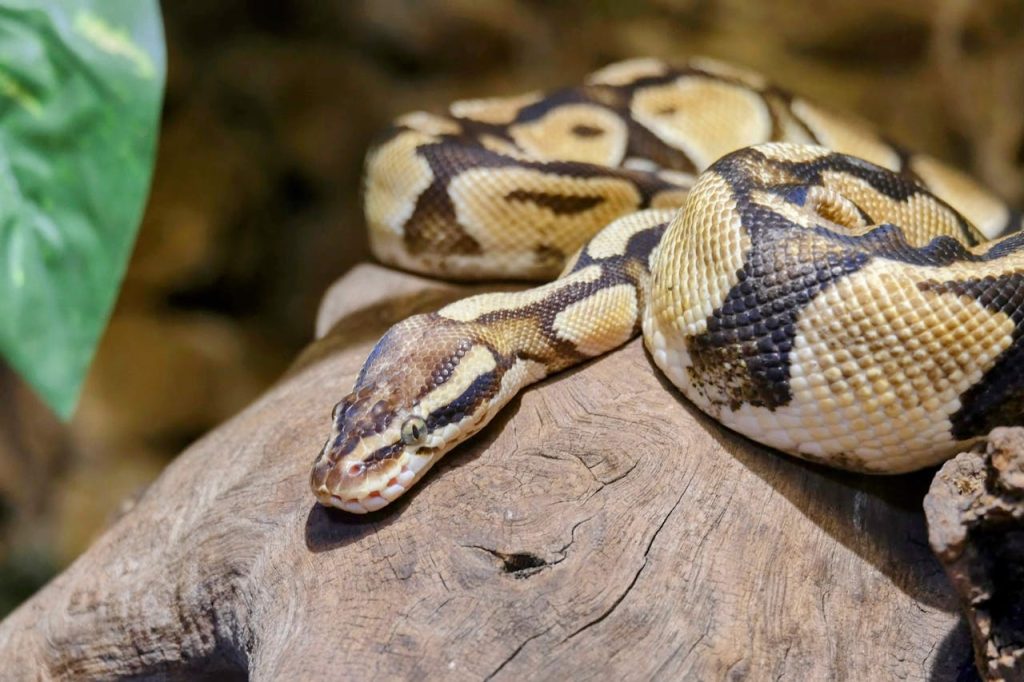
The conflict keeps rising because the python population is still large and still growing. USGS continues to estimate the Florida population in the tens of thousands, which means encounters with native predators are not rare edge cases but recurring events across a huge wetland mosaic. This is a numbers problem before it is a drama clip.
Scale matters as much as behavior. When a reproducing invasive species occupies broad habitat and remains hard to census, the system does not settle quickly. It keeps producing fresh overlap zones where pythons and alligators compete for space and prey, season after season, across connected marshes.
Reproduction Keeps the Pressure On
Reproduction keeps replenishing the pressure. USGS reports an average clutch of about 49 eggs, and larger females can carry far more, including counts up to 79 to 95. Even with normal juvenile losses, that output can sustain population momentum year after year and refill areas where removals occurred.
That is why removals can be significant yet still feel temporary. Management can reduce local density, but new recruits and surviving adults continue to feed the broader cycle. Stabilization requires suppressing breeders repeatedly, not just clearing a few hotspots once, then moving on, and assuming the trend will hold.
Detection Limits Hide the Real Load
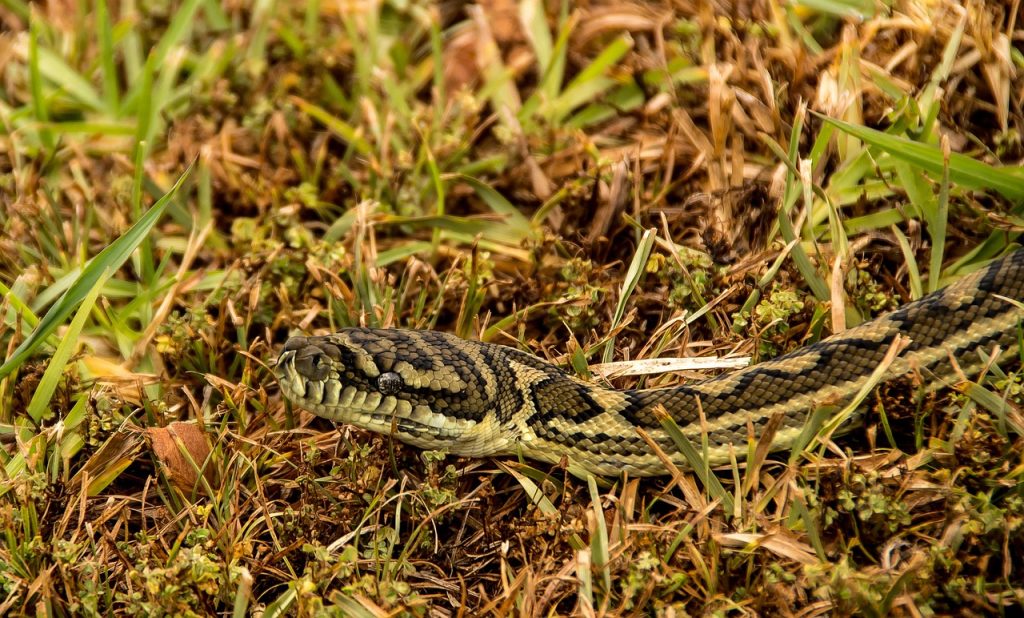
Detection is the bottleneck most people underestimate. USGS notes it is incredibly difficult to estimate true numbers because pythons use varied habitats, including areas that are hard to access and survey well. A hidden breeding base can keep recovery pressure on native species even when search effort looks intense on paper.
Recent field research also shows survey outcomes change with environmental and operational conditions, so effort alone is not enough. Teams need the right timing and methods, or they miss snakes that remain active in the system and continue reproduction between survey windows, then repopulate nearby stretches.
The Range Is Still Expanding at the Edges
The map is still moving. USGS reports pythons have been detected north of core Everglades zones, and environmental DNA has identified presence in the northern Everglades, including Arthur R. Marshall Loxahatchee refuge and beyond Lake Okeechobee. That confirms spread pressure at the edges, not just persistence in the core, and not just historical strays.
Range expansion changes the game. Control work can no longer focus only on legacy hotspots in the south. Managers must split effort between reducing established populations and preventing new footholds, which slows how quickly the overall conflict can cool down at a regional scale.
Food-Web Disruption Keeps Interactions Unstable
Food-web disruption adds another layer. USGS links python establishment to severe mammal declines in parts of Everglades National Park, including major reductions in raccoons, opossums, and bobcats, plus near disappearance of some smaller mammals in key areas where pythons have been present the longest.
When prey communities shift this hard, predator interactions also shift. Alligators and pythons are then operating in a reshaped ecosystem where competition, opportunistic feeding, and contact patterns keep changing. That instability is one reason escalation persists instead of easing into a simple new balance over time.
Dry-Season Refuges Create Repeat Contact Points
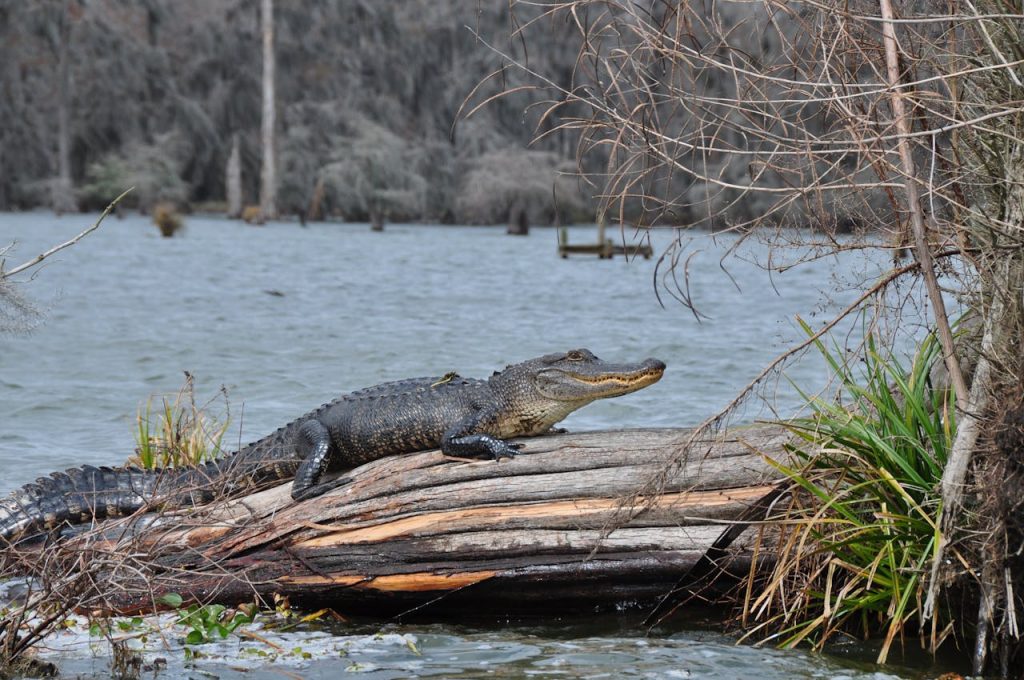
Alligators are ecosystem engineers, and that ecological role can unintentionally increase contact points. NPS notes that alligator holes retain water through the dry season and serve as refuges for many animals, pulling wildlife into concentrated patches when other areas dry down and food access tightens.
Those refuges are vital for Everglades resilience, but concentrated prey and movement corridors also create repeated overlap among predators. In practical terms, the same habitat features that support biodiversity can also keep python-alligator interaction rates from dropping quickly when water levels compress activity.
Removals Are Real but the Baseline Is Huge
Removal programs are working, but the scale challenge remains. Florida agencies reported a record 294 pythons removed during the 2025 Florida Python Challenge, showing strong participation and real on-the-ground impact in a short, targeted window with clear public visibility and measurable results in the same season.
At the same time, state reporting has indicated more than 23,500 pythons removed from natural areas as of April 2025, with over 11,000 removed by PATRIC and PEP contractors since 2017. Large totals prove effort is serious, yet they also show the invasion is deep and persistent across years and management cycles.
Stabilization Means Suppression, Not a Quick Finish
So why does the clash keep escalating instead of stabilizing? Because every key driver points the same way: high reproductive output, difficult detection, broad distribution, continued spread at the edges, and a food web already pushed out of its old balance by long-running invasive pressure.
USGS also states that odds of eradicating a reptile population are very low once it has spread across a large area, and Burmese pythons are now distributed across more than a thousand square miles of southern Florida. That makes long-term suppression the realistic goal, not a quick finish or one-season turnaround in the field today.
Sources
- U.S. Geological Survey: Invasive Burmese Pythons in Southern Florida
- U.S. Geological Survey FAQ: How Have Invasive Pythons Impacted Florida Ecosystems?
- U.S. Geological Survey: Cold-Induced Mortality of Invasive Burmese Pythons in South Florida
- Florida Fish and Wildlife Conservation Commission: Burmese Python Information
- Florida Fish and Wildlife Conservation Commission: 2025 Florida Python Challenge Results
- Everglades National Park: American Alligator Species Profile
- USGS Publication: Relationship Between Body Condition of American Alligators and Water Depth in the Everglades
- Scientific Reports: Environmental Characteristics Influence Survey Outcomes for Invasive Burmese Pythons
In the Everglades, python-alligator conflict keeps rising as breeding, range creep, and low detectability outpace control efforts.