

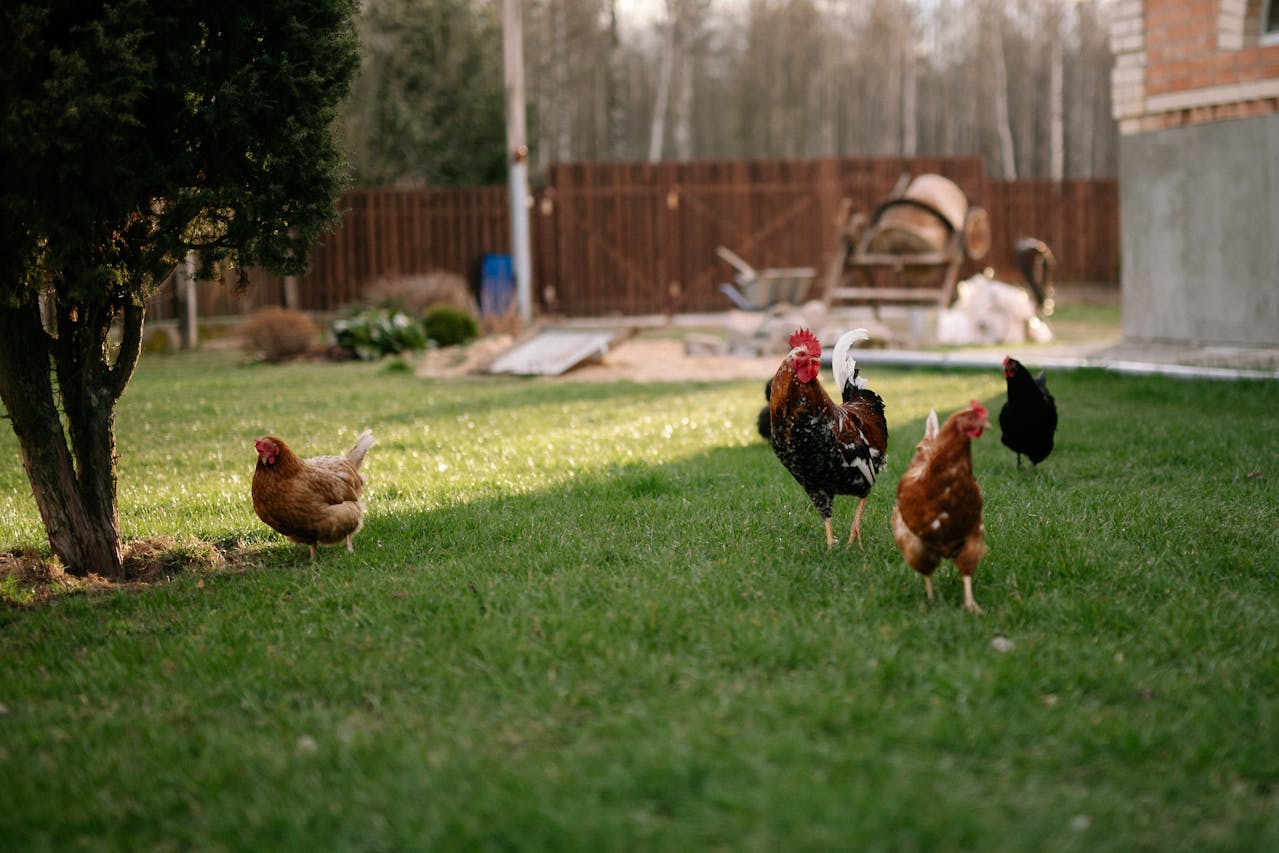
Backyard chickens and goats once felt like a quirky hobby, but in many states they are now a serious policy fight.
Cities are tightening rules, counties are rewriting ordinances, and neighbors are calling inspectors more than ever.
What looks like a simple ban is usually a bundle of concerns: noise, odor, runoff, and animal welfare.
Local governments also worry about disease control, especially where birds mix with pets, kids, and shared yards.
At the same time, food-price anxiety pushed more households to try eggs, milk, and compost at home.
That surge exposed weak enforcement systems and uneven rules that left residents confused and frustrated.
Crackdowns are not only about farmers versus suburbs; they often reflect zoning, equity, and public health tradeoffs.
This article explains what is driving the restrictions, what is changing, and how people can adapt without drama.
The Backyard Boom Changed the Math
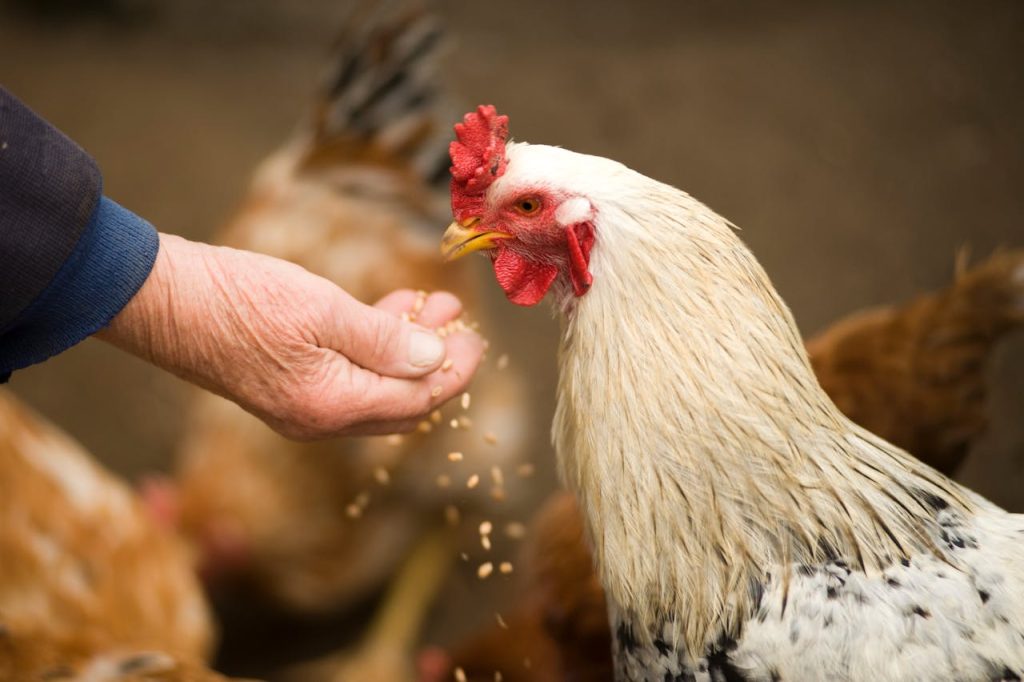
Pandemic-era habits lingered, and many households kept animals even after normal routines returned.
More coops and pens packed into smaller lots. That density made small issues feel constant to nearby homes.
Officials noticed that a few problem properties could sour an entire neighborhood in weeks.
Staff time is limited, so cities triage complaints first. Over time, blanket limits can look cheaper than casework.
Zoning Lines Are Doing Most of the Work
Many crackdowns start with zoning, not agriculture, because most cities treat livestock as a land-use issue.
Suburban lots may be too small for setbacks, manure storage, or safe fencing that keeps animals from roaming.
Some states let counties set stricter rules than cities, creating a patchwork that owners discover too late.
New subdivisions often have HOA-style expectations, and planners try to prevent conflicts before they erupt.
Officials also watch property values, not as a moral claim, but as a political pressure that shows up at hearings.
Rural fringes are especially tense, where hobby flocks sit next to commercial farms or newly built neighborhoods.
Once a rule is on the books, enforcement usually lands on code officers, not animal experts, which shapes outcomes.
That structure rewards simple, bright-line bans over nuanced permits that take time to inspect and explain.
Public Health Concerns Aren’t Abstract Anymore
Bird flu headlines made backyard poultry feel less like a pastime and more like part of a disease network.
Health departments worry when people handle birds without sanitation, then visit schools, daycares, or clinics.
Small flocks can still spread parasites or salmonella if feed attracts rodents and droppings build up in damp spots.
Goats and sheep raise different issues, like bite risks, waste runoff, and whether owners have veterinary access.
When outbreaks happen, officials prefer rules they can enforce quickly, even if most keepers are responsible.
States also coordinate with agriculture agencies, and that coordination can push local boards toward tougher language.
The net effect is a shift from neighbor-to-neighbor disputes to formal compliance, inspections, and penalties.
Complaints Usually Come Down to Nuisance
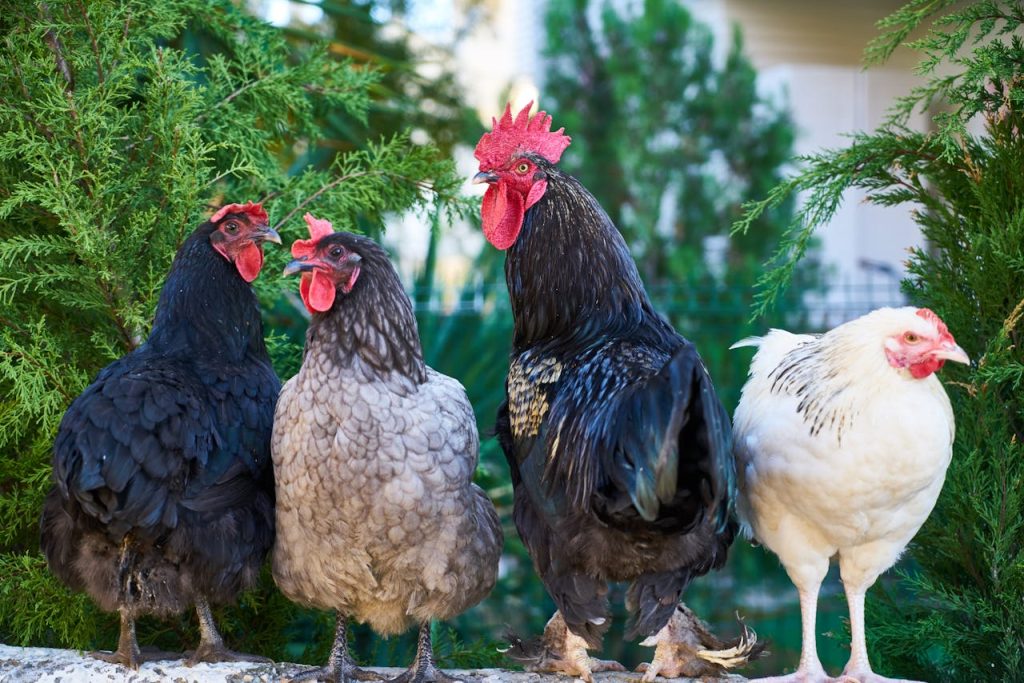
Most crackdowns follow familiar triggers: crowing at dawn, flies in summer, and smells after rain.
Even quiet hens can be noisy in tight yards, and goats can test fences when they get bored or hungry.
Manure piles are the flashpoint, especially when owners underestimate how fast waste accumulates in warm weather.
Neighbors also worry about predators, because unsecured coops attract raccoons, foxes, and roaming dogs.
When councils hear the same story repeatedly, they often rewrite ordinances to reduce the case-by-case burden.
Animal Welfare Rules Are Getting Sharper
States are increasingly treating backyard livestock as a welfare issue, not just a neighbor issue.
Some owners buy animals on impulse, then struggle with heat, winter shelter, or basic nutrition.
Enforcement sees the worst cases: overcrowded coops, untreated injuries, and animals left during vacations.
That reality fuels stricter minimum standards for space, shade, water, and veterinary care.
Permits sometimes require training or inspections, but smaller towns may not have staff to run them well.
When capacity is low, lawmakers reach for bans or tight caps because they are easier to explain and defend.
Enforcement Is Often the Real Problem
Rules can be reasonable on paper, but they fall apart when nobody knows who is supposed to check what.
Code officers may lack animal training. Animal control may focus on strays, bites, and shelter intake instead.
Owners then get mixed messages, and neighbors feel ignored until they escalate with photos and petitions.
To stop the churn, states push clearer penalties and standard templates. That can feel harsh, but it reduces chaos.
What New Bans and Caps Usually Look Like
Many places ban roosters first, then set flock limits, then add setbacks from property lines and neighbor windows.
Others require enclosed runs, covered feed, and manure management plans, with inspections tied to annual renewals.
In stricter areas, goats, pigs, and sheep are barred outright unless the property meets acreage thresholds.
How Owners Can Stay Legal Without Giving Up
Before buying animals, read the local ordinance and the county rules, because they can contradict each other.
Design for the strictest standard. Secure housing, predator-proof locks, and a waste plan that still works after storms.
Keep records of vet care and feed storage, because good documentation calms officials and neighbors fast.
If rules change, ask about permits and grandfathering. A small upgrade can earn compliance instead of forced removal.