

Florida rarely has to think like a cold weather state, but an arctic blast can flip the script overnight. When National Weather Service posts extreme cold watches and warnings, the story is not only about palms and pipes. Wind chills near 8°F above zero have been flagged in parts of Florida, and a bomb cyclone could also roughen coastal waters.
A sharp chill can slow invasive reptiles like Burmese pythons and green iguanas, yet biologists caution against easy victory laps. Cold snaps do not erase an invasion. They squeeze animals into warmer pockets, shift movement patterns, and briefly make removal work more effective.
Cold Does Not Erase Invasions, It Reorders Them
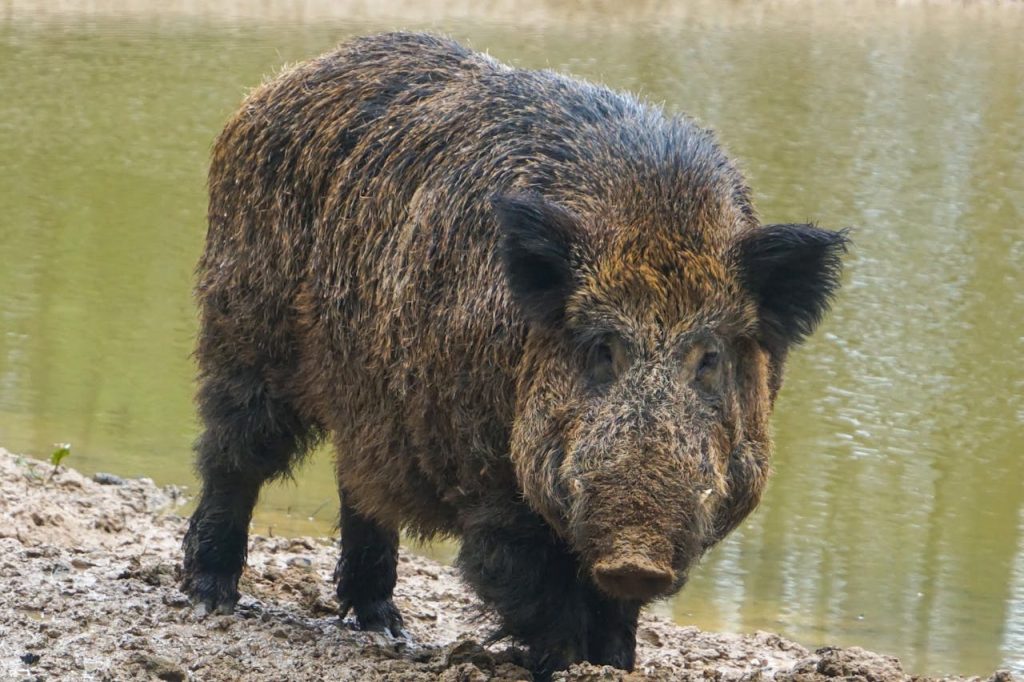
Cold snaps almost never make an invasive population vanish. What they do is reorder the board by slowing reptiles, changing basking habits, and pushing animals toward heat holding refuges such as rock, seawalls, canals, culverts, and thick landscaping. Survival can vary street by street because one warm pocket can spare animals that look exposed on a map.
Biologists treat that reshuffle as a short, practical opening, not a finish line. Search routes tighten, sightings cluster near sunlit edges, and trained crews can focus effort where animals are most likely to be after a long, cold night, then keep pressure on when warmth returns.
Freezing Weather Makes Pythons More Findable
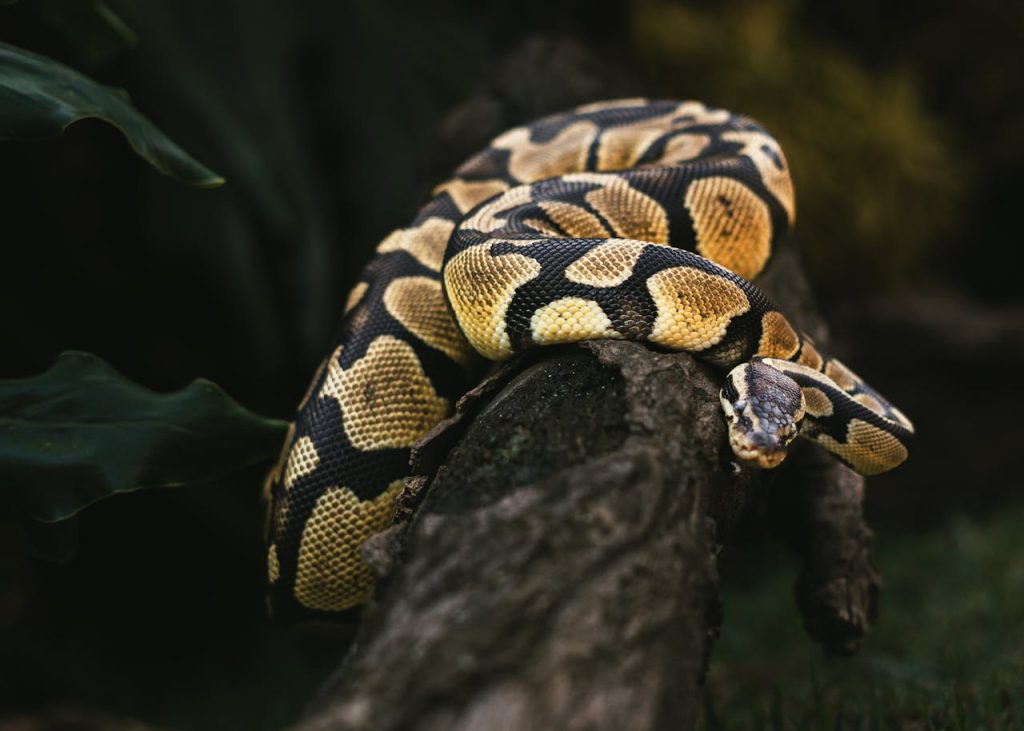
Burmese pythons are built for warm, humid conditions, and prolonged freezing can overwhelm them. In South Florida, cold can also make them easier to locate, because activity drops and sun seeking becomes more predictable along levees, roads, and canal banks.
That matters because the species has been tied to major declines in mammals in heavily invaded areas, including raccoons, marsh rabbits, foxes, and bobcats, as documented in U.S. Geological Survey work. Pythons are most associated with the Everglades, yet they have been documented beyond that core range. Cold does not solve the problem, but it can sharpen removal timing.
The Survivors Can Still Refill The Map
Even a strong freeze tends to hit unevenly. Animals in open marsh can be stressed far more than those tucked into burrows, vegetation mats, or human made structures that hold warmth, and canals can stay warmer than the air. Microclimates matter, so the cold map rarely matches the removal map.
Biologists also watch the rebound. Florida warms quickly, and survivors can resume movement before crews can cover every canal edge and tree line. Cold can concentrate survivors into reliable pockets, but that advantage fades fast. Long term progress still depends on steady capture, monitoring, and preventing new releases between winters.
Iguanas Falling Is Physiology, Not A Finish Line
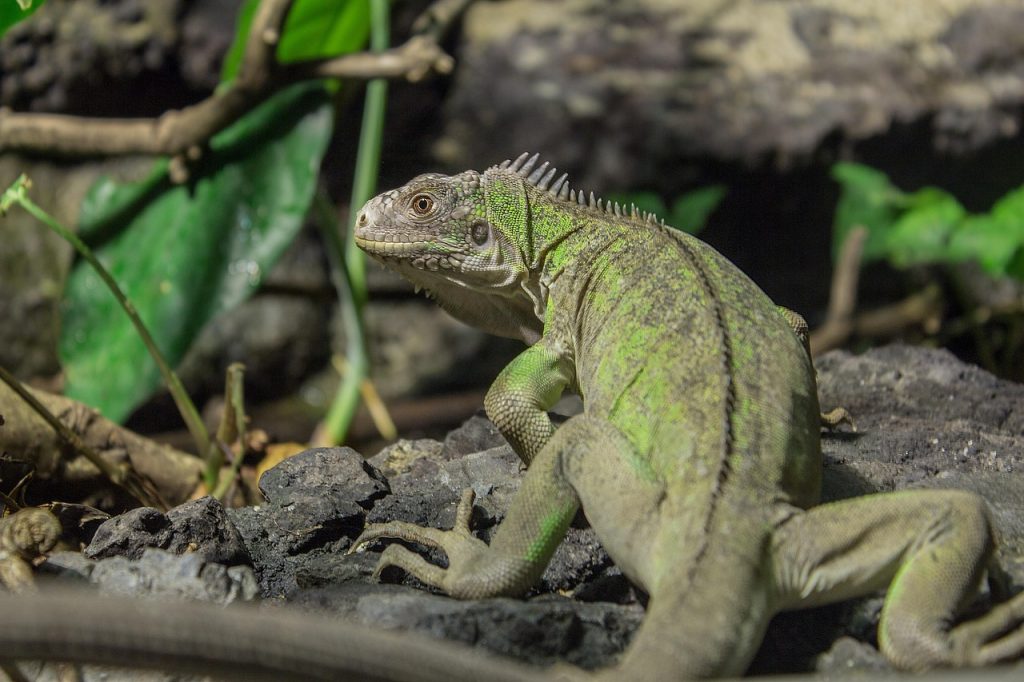
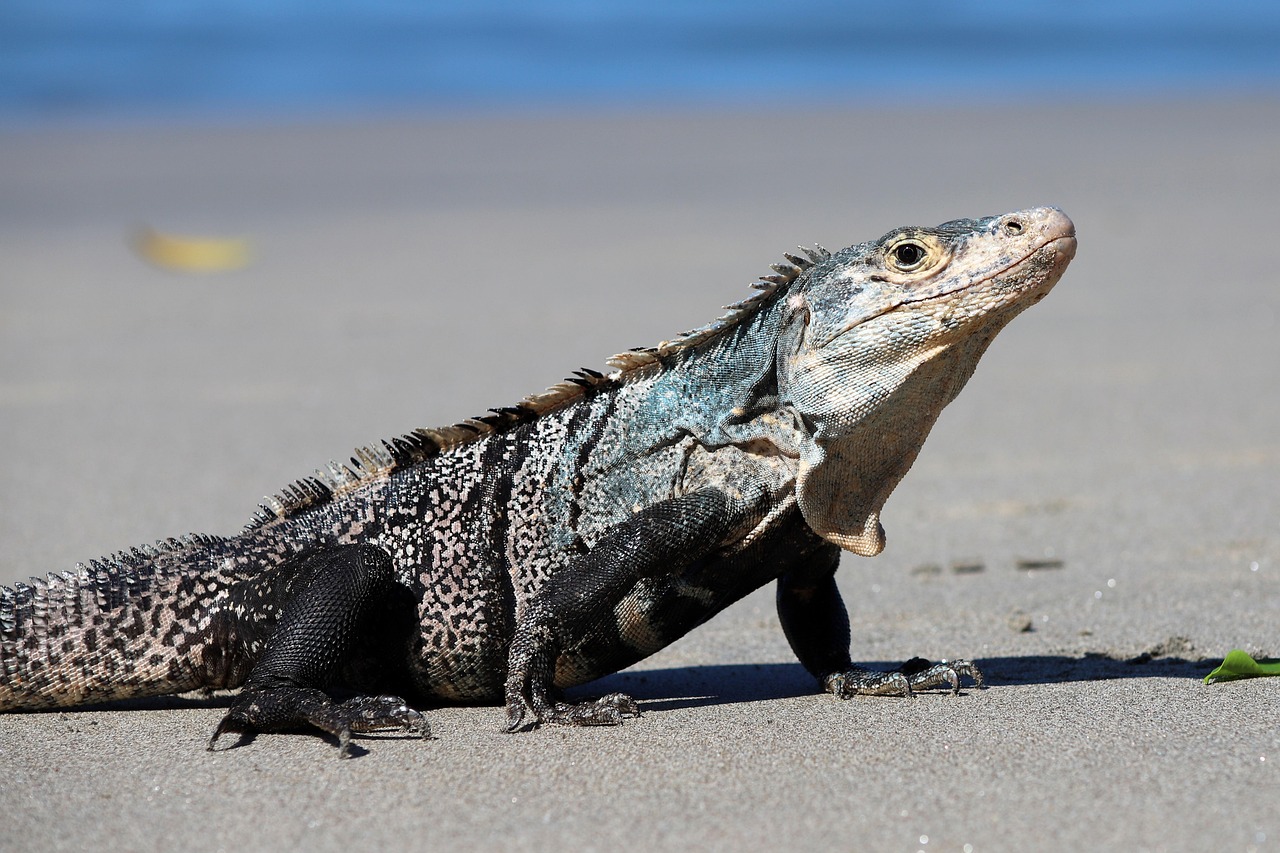
When temperatures dip below freezing, green iguanas can become cold stunned and temporarily lose grip and muscle control. That is why they sometimes drop from branches, which looks dramatic but is not a reliable measure of population change.
Many recover once the sun warms them, especially in sheltered yards, dense hedges, and canal corridors that hold heat. Cold can also push iguanas toward warmer surfaces like seawalls and patios, making patterns easier to anticipate for removal. Biologists warn that the sight of falling iguanas can trick people into assuming the problem is over, when warm days bring activity back.
Alligators Go Quiet Below 55°F
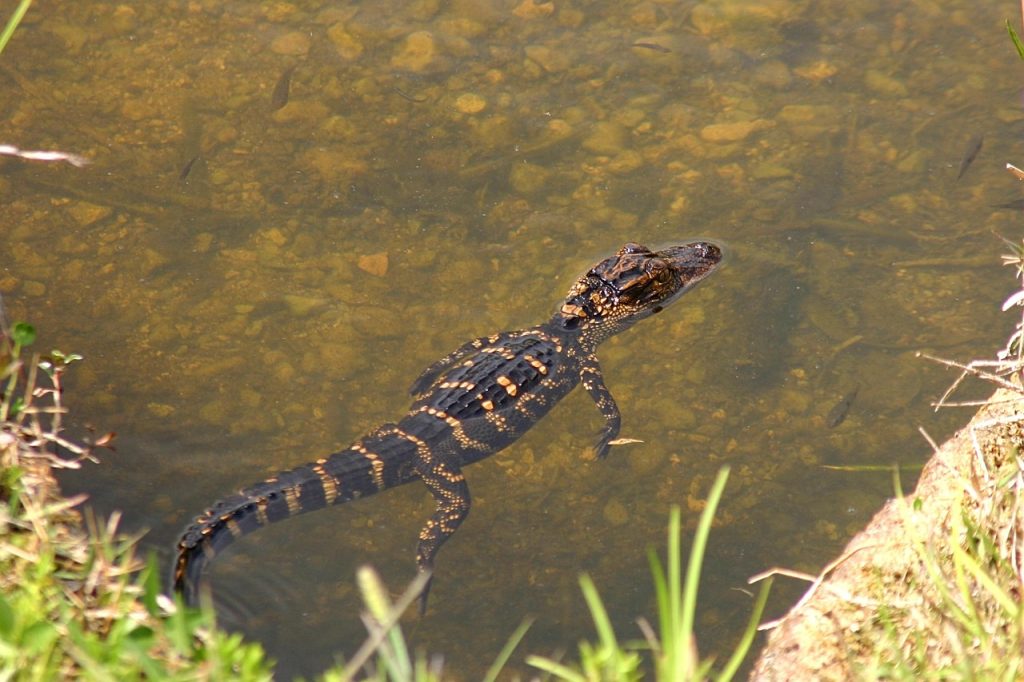
Native alligators respond to cold in a quieter way. Reports note they become dormant when temperatures slide below about 55°F, reducing surface movement and shifting activity toward deeper, steadier water. In shallow ponds, a small drop can change where they rest. It is less about migration and more about waiting out the chill.
Biologists keep that context in mind when cold snap stories focus only on invasives. A still marsh can look empty even when natives are simply conserving energy. The calm can help trackers read fresh sign along levees and canals, but surveys and trap checks need adjusted timing, especially at cold dawns.
The Cold Weather Warning Comes First
Cold snaps make a tempting storyline about invasives, but the first concern is always people and infrastructure. The Tampa Bay National Weather Service office warned that wind chills as low as 8°F above zero can cause frostbite on exposed skin in as little as 30 minutes, and hypothermia becomes a risk without proper layers.
The agency also flagged young children, the elderly, and the unhoused as especially vulnerable, and noted that freezing can rupture water pipes. Biologists plan field work around those limits, because a risky outing helps no ecosystem. Removal works best when safety, access, and timing line up as well.
Rough Seas Can Cancel The Advantage
The same setup that pulls arctic air into Florida can also stir up the coast. Forecasters warned that a bomb cyclone off the East Coast could create dangerous boating conditions, which matters because some monitoring and transport routes rely on water access near marshes and canal systems.
Biologists note that cold can concentrate animals, but wind and rough water can erase the advantage by limiting where crews can safely work. Teams often pivot to land based searches along levees, roads, and rights of way, then return to water when conditions settle, with gear and clear check ins. The goal is a clean operation, not a dramatic one.
Records Show How Unusual True Freezes Are
True deep freezes are rare in Florida, which is why forecasters reach for records when an arctic blast arrives. A FOX 35 Orlando meteorologist noted the only time the state recorded a temperature below 0°F was in Tallahassee on Feb. 13, 1899, and that Orlando hit 20°F during that event, adding that the coming cold could come close in some places.
He also pointed to Orlando’s record low of 18°F on Dec. 29, 1894. Biologists use that history to keep expectations grounded and operations realistic. A near record night can stress invasives, but warm pockets and rebounds mean the landscape rarely stays cold long enough to rewrite the map.
The Real Win Is What Happens After The Freeze
State leaders have highlighted that freezing weather can stress invasive reptiles, and posts have predicted major python losses and more iguanas dropping from trees. Biologists do not dismiss the moment, but they frame it as a short advantage with limits, and they urge residents to report sightings instead of handling wildlife.
Cold makes animals less mobile and more tied to warm pockets, which can boost capture rates for trained teams. The real gain comes after the headlines fade, when agencies keep removing survivors, keep mapping regrouping areas, and keep prevention strong so the next warm spell does not reset the problem.
For a few nights, Florida’s wetlands feel sharpened and quiet, as if the whole state is listening. Biologists see that quiet as a chance to work smarter, not to declare victory. When warmth returns, progress holds only where careful removal, good data, and steady prevention keep showing up.