


Deer damage rarely starts as a dramatic overnight loss. In many yards, it begins with missing buds, torn stem tips, and thinned lower branches that look minor after a long week of work.
Extension specialists note that deer often return to the same feeding spots, especially where shrubs and young trees sit near cover. Without a physical barrier, that pattern settles in quickly, and a yard that looked healthy in early spring can turn into a repeat feeding stop with weaker plants, slower recovery, and higher replacement costs by the next season. Repeated browsing also weakens plants and slows seasonal recovery. Damage compounds quickly.
Early Browse Signs Get Misread

One of the first mistakes is assuming every chewed plant was hit by rabbits, insects, or weather. Deer browsing usually leaves torn, ragged stems because deer lack upper incisors and tear plant tissue instead of clipping it cleanly.
Extension guides also note that damage height is a clue, since browsing can show up from ground level to about 6 feet and often appears as thinning on lower branches. When no barrier is in place, those signs are easy to dismiss, and deer keep feeding long enough to spread from one bed to the rest of the yard. By the time the pattern is obvious, several plantings may already be stressed at once.
Deer Settle Into Familiar Routes
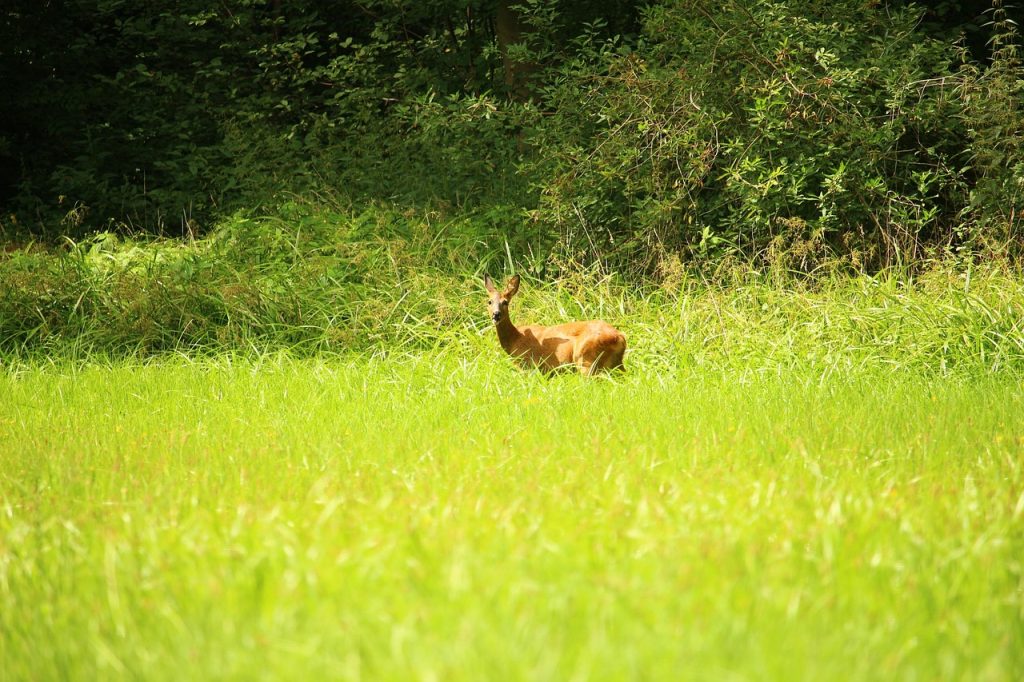
Deer do not need much time to learn a comfortable path through a neighborhood. NC Cooperative Extension notes they often follow established trails and move in and out of yards where nearby cover lets them feed without much disturbance.
That pattern matters because repeated visits change the scale of the problem. What starts as occasional browsing becomes a routine, and once deer treat a landscape as part of a regular route, plant losses usually show up in the same places again and again unless a barrier breaks that easy passage. Travel routes near stream edges, woodlots, or low-pressure spaces make this even harder to stop later.
Spring Damage Hits New Growth First
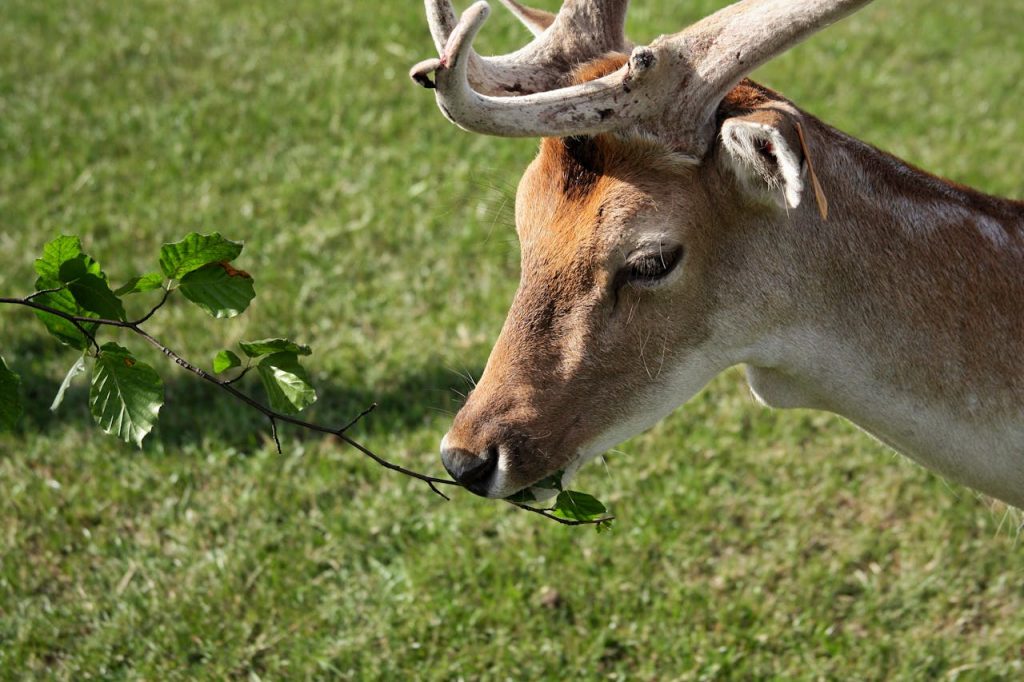
Spring is when many yards look strongest, but it is also when deer browsing can speed up. University extension sources note that deer target tender new growth, buds, and tips, which are the exact parts plants need for early seasonal growth.
Repeated feeding in that window does more than ruin appearance. Plants keep spending energy to resprout instead of building strength for flowering, fruiting, or summer stress, and the result is a landscape that looks stuck, uneven, and slower to recover even after deer move on for a while. The problem often shows up first in roses, hostas and tender ornamentals near yard edges. Growth stalls fast.
Winter Pressure Makes Losses Worse

Winter often brings the most frustrating damage because plant loss can feel sudden after months of manageable browsing. Missouri and NC Extension guidance note that feeding patterns shift with food availability, and winter pressure can intensify yard browsing.
When acorns or other preferred foods run short, deer turn harder toward dormant buds, annual growth, and evergreen foliage in residential landscapes. Without barriers already in place, that seasonal shift can strip young plantings fast and leave the worst damage visible only when spring growth fails to fill back in. Losses often surface fully when spring leaf-out stays patchy.
Antler Rubbing Can Ruin Young Trees
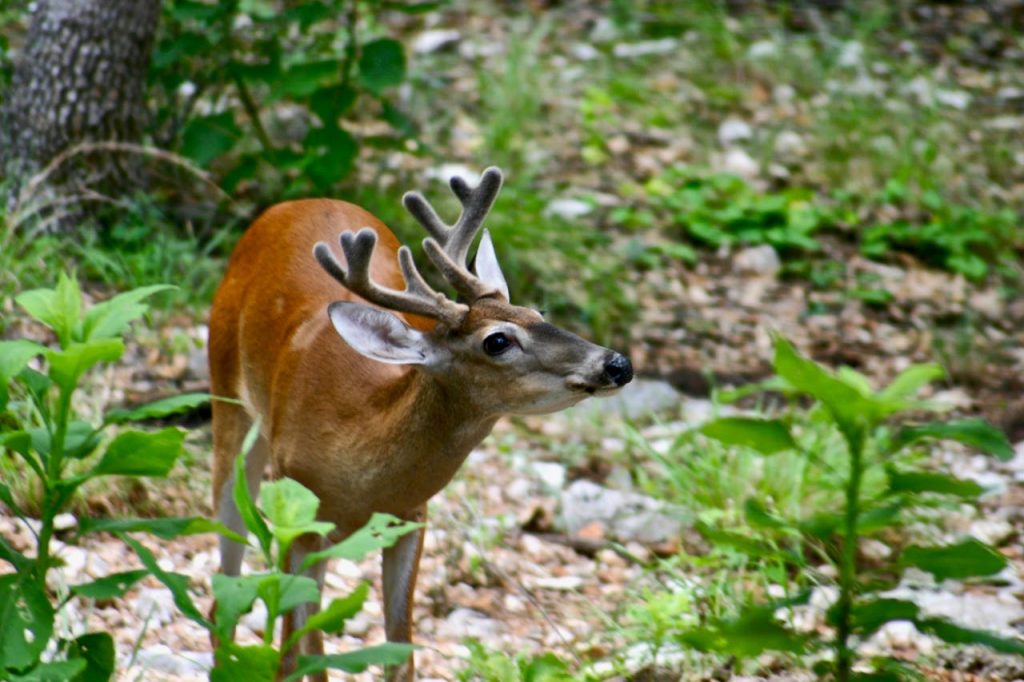
Browsing is only part of the story. Male deer can also damage saplings by rubbing antlers during the fall breeding season, leaving vertical scrapes and shredded bark that expose the wood and interrupt the tissues that move water and nutrients.
Extension references warn that antler rubbing can be a bigger problem than browsing in some yards, especially on small flexible trees. A yard without guards, cages, or fenced protection can lose years of growth in one stretch of rut activity, even when leaves and flowers were not the main target. Thin bark and newly planted stock are especially vulnerable in open lawn transitions.
Decorative Fences Usually Do Not Hold
A short decorative fence may frame a garden nicely, but it rarely solves deer pressure for long. Extension guidance across several states is consistent on the basic point: reliable exclusion usually needs an 8-foot barrier for larger areas.
Iowa State also notes passive fences need to reach the ground so deer cannot slip under openings. It also stresses closing off gaps so deer cannot go under, over, or through weak spots. When a yard relies on low sections, wide gaps, or open corners, deer learn where entry is easy, and the fence becomes a visual border instead of real protection for beds, shrubs, and young trees. There.
Gates And Corners Decide Fence Success

A tall fence can still fail quickly when the gate sags, a latch loosens, or storm damage opens a corner. UMN Extension puts it plainly: a fence is only as strong as its weakest point, which is why maintenance matters as much as height.
That detail gets overlooked in many home landscapes. Deer test edges, find the easiest breach, and repeat it, so one neglected opening can undo an otherwise good barrier plan and turn a manageable issue back into constant browsing across several beds and young trees. Regular checks after wind, snow, or yard work prevent small failures from becoming repeated entry points. That simple habit saves plants.
Electric Fences Work Best When Visible
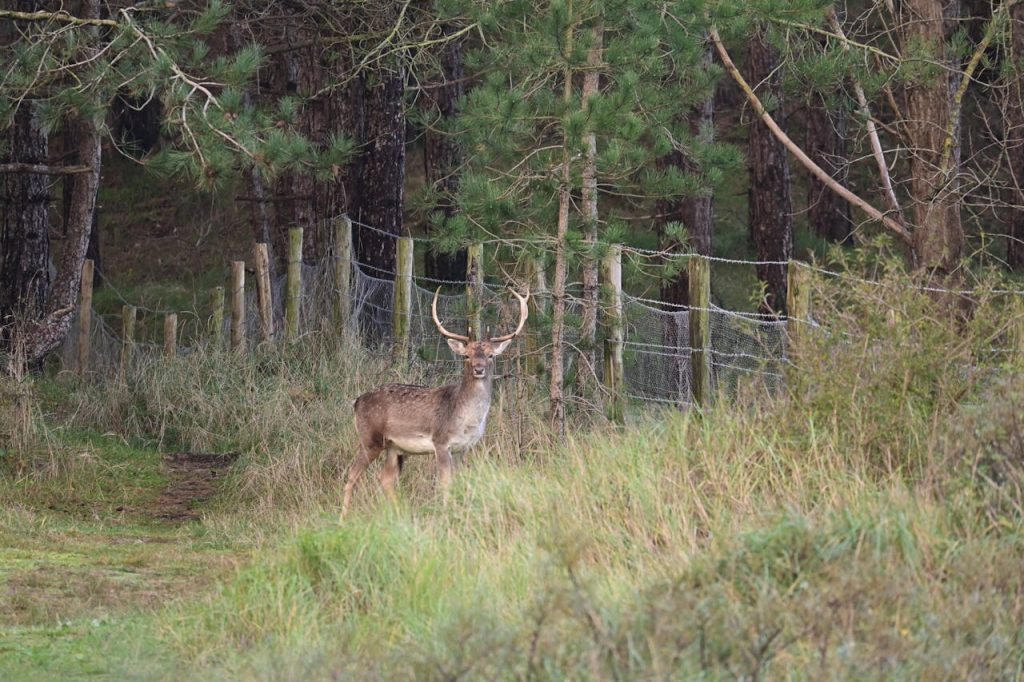
Electric fencing can work well for small gardens and targeted areas, but setup details matter. Extension sources note that polytape or wire systems work better when deer can see them, so flags, cloth strips, or reflective markers are often recommended.
Several extension programs describe baited electric lines that help train deer to avoid the fence after nose contact. Timing and upkeep matter most: when the fence goes in early and stays maintained, it can cut repeat visits without enclosing the whole property. UMN and Colorado State also stress tight, visible lines so deer notice the barrier before pushing through in low light.
Small Plant Guards Protect What Matters Most
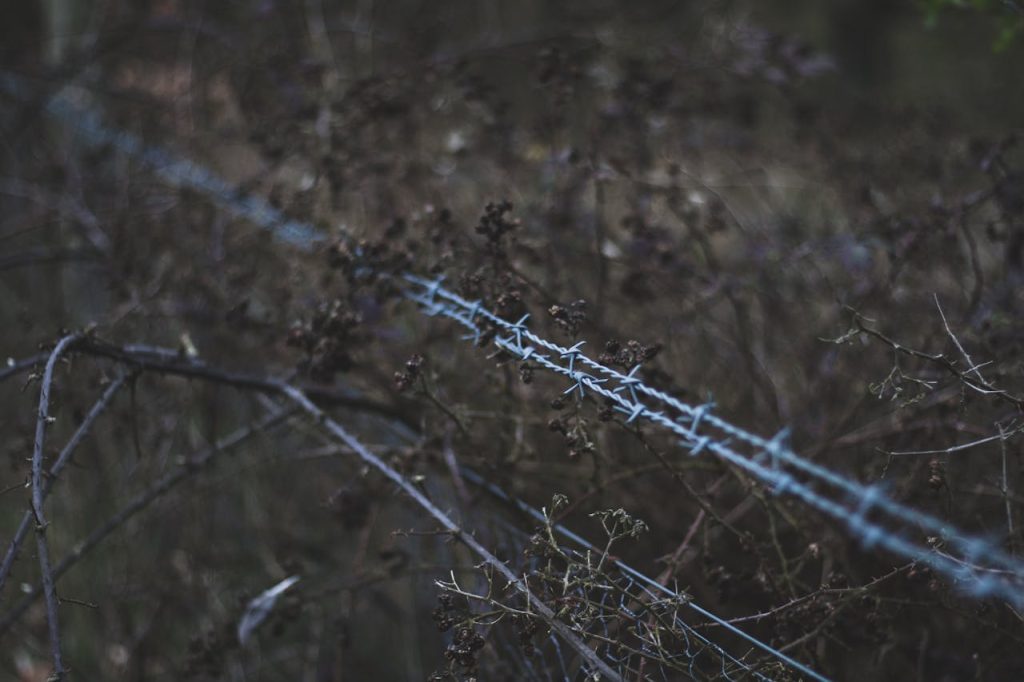
Not every yard needs a full perimeter fence on day one. Tree tubes, wire cylinders, and protective guards can shield young trees and shrubs, and UMN Extension specifically notes they help protect vulnerable plants and can reduce antler rubbing when tall enough.
These tools work best when used with the season in mind. UMN advises fencing or tree guards from August through December for rubbing protection, and wire cylinders must be tall enough above expected snow depth, otherwise deer can still browse the exposed growth in winter. Good spacing and secure staking also matter, because poorly installed guards can damage plants too.
Barriers Make Other Deer Tactics Work
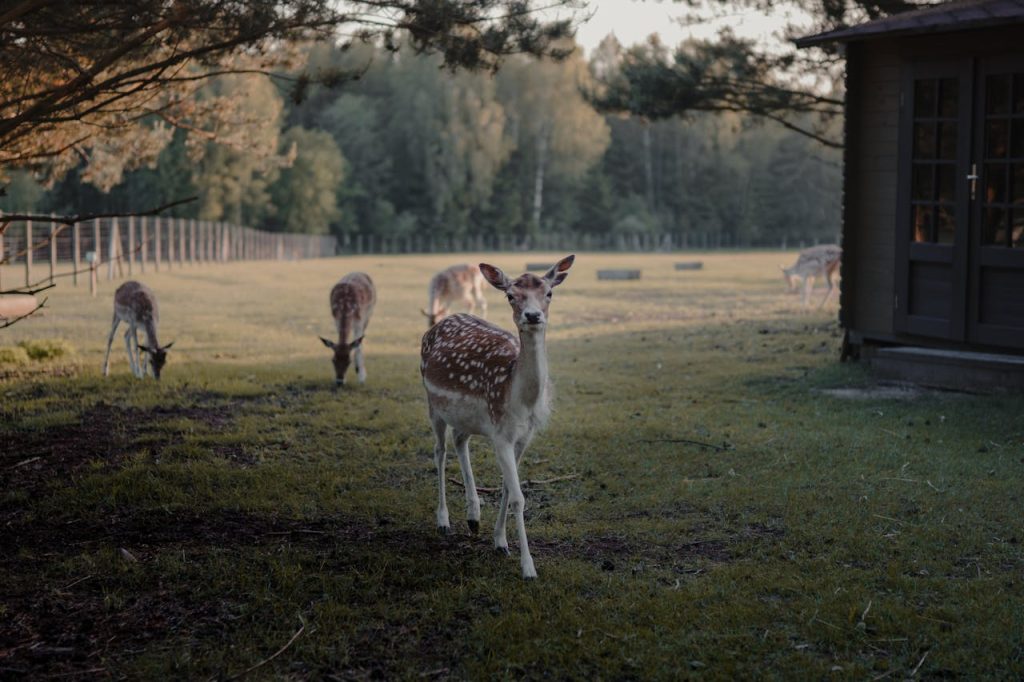
Repellents and plant selection can help, but extension experts are clear about their limits. Colorado State notes that no plant is truly deer proof, and Missouri notes repellents reduce browsing rather than eliminate it, especially after rain and new growth flushes out.
That is why barriers change the whole equation. Once a yard has a dependable fence or well-placed guards around high-value plants, every other tactic becomes more consistent, and the landscape gets a chance to recover instead of serving as the easiest meal on the block. It also reduces the constant cycle of replanting the same vulnerable spots each year.
A yard with deer pressure does not need to stay in a constant cycle of loss and replacement. The most reliable plans are usually the least glamorous ones: steady observation, smart protection around vulnerable plants, and barriers that interrupt the routes deer come to trust. Once that access changes, the landscape often starts to feel calmer again, and healthy growth has room to return season by season.