

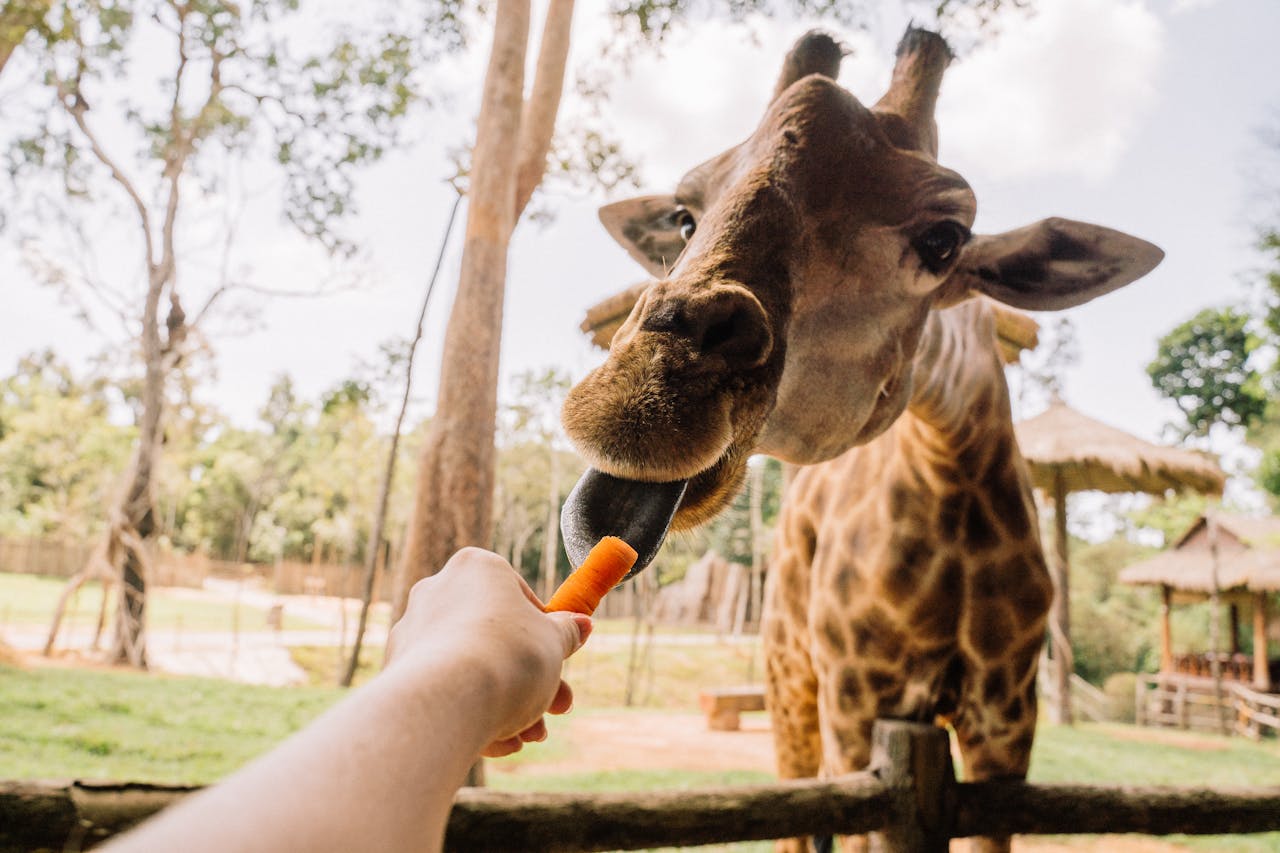
Wildlife contact laws are tightening because the same pattern keeps repeating: a close approach, a quick clip, and then an avoidable incident that harms animals, visitors, or both. Agencies across parks, coasts, and river springs are shifting from polite reminders to enforceable buffers, no-contact rules, and stronger patrol visibility. The shift is not about making nature off-limits. It is about protecting normal animal behavior, reducing emergency response strain, and keeping public access grounded in respect instead of risky improvisation when crowds gather around wildlife. Recent rules show that line getting clearer.
Park Injuries Keep Repeating, So Distance Rules Are Hardening
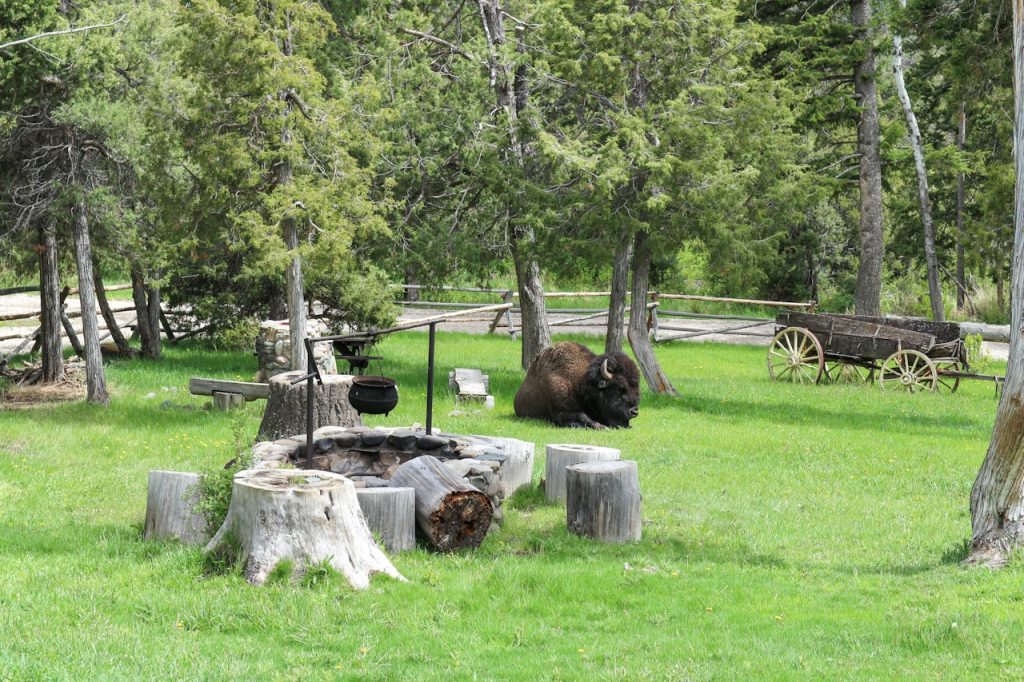
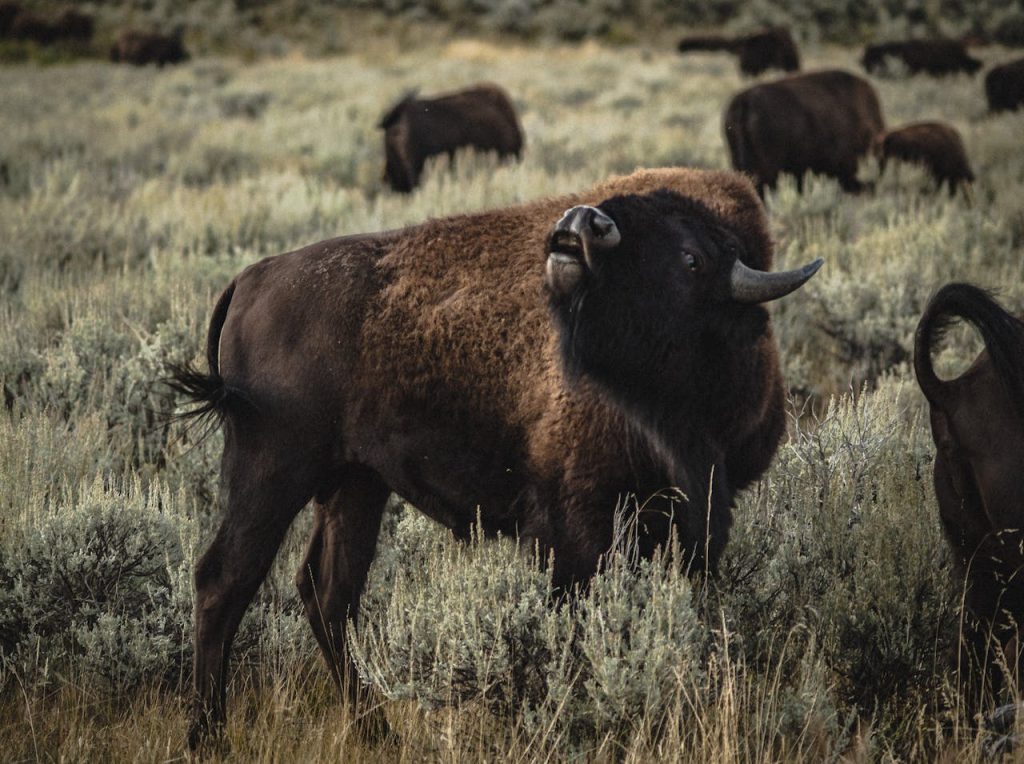
Yellowstone keeps offering the clearest pattern. In May 2025, the park reported a man injured after approaching a bison too closely, then noted it was the first bison injury of that year after incidents in 2024 and 2023. The agency keeps repeating minimum viewing distances because these encounters are no longer rare.
Safety guidance in Yellowstone states at least 25 yards from most wildlife, and 100 yards from bears, wolves, and cougars. The rule sounds familiar, but enforcement tone has shifted. Rangers now frame close approach as a predictable hazard that disturbs movement and can trigger copycat behavior in crowded pullouts.
Federal Park Law Already Prohibits Touching And Disturbing Wildlife
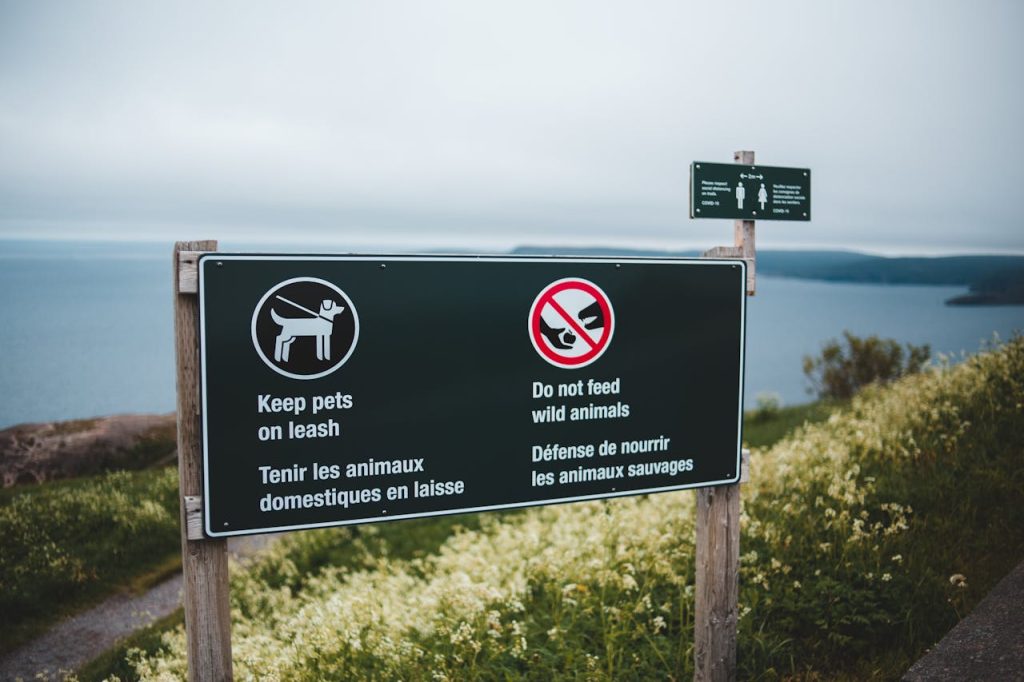
Many visitors assume wildlife boundaries are suggestions, yet federal park regulations already treat contact as prohibited conduct. Under 36 CFR 2.2, feeding, touching, teasing, frightening, or intentionally disturbing wildlife is not allowed, including around nesting and breeding behavior. The language is broad and leaves little room for improvisation.
The practical change is not the rule itself, but how often it is enforced and explained. As visitation rises, agencies are relying less on courtesy messaging and more on clear legal framing that still holds when crowd behavior starts compressing safe space around animals.
Marine Mammal Law Treats Disturbance As Harm, Not Just Collision
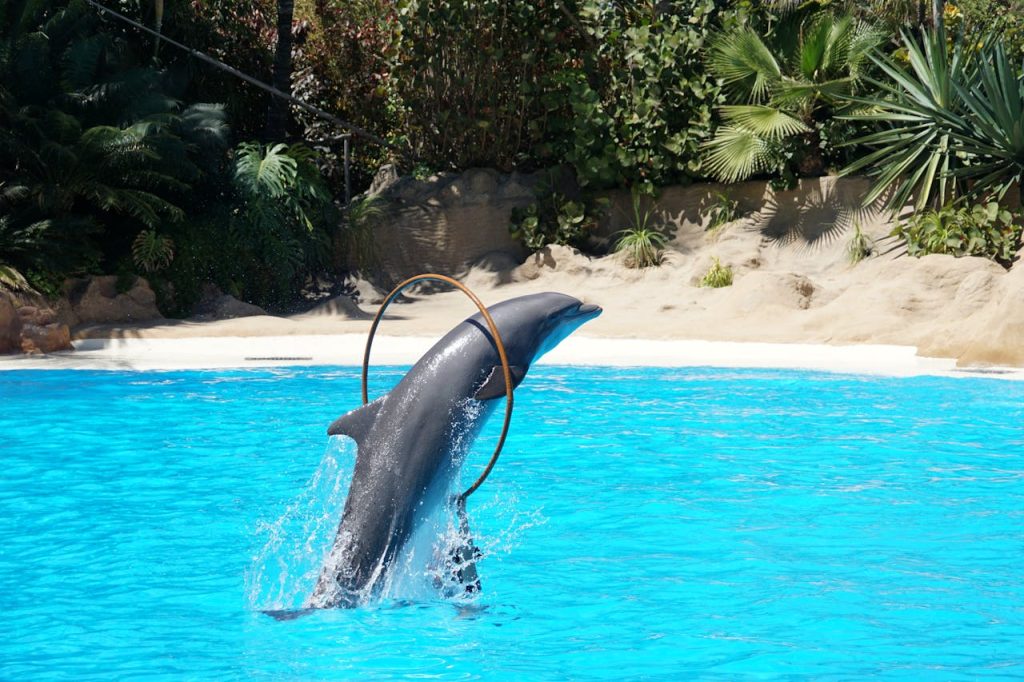
Marine policy has followed the same path. The Marine Mammal Protection Act defines harassment to include acts that can disturb normal patterns such as feeding, nursing, breeding, or sheltering, even without direct injury. NOAA guidance mirrors that standard by telling the public not to approach or touch marine mammals in open water.
That distinction matters in busy coastal zones where repeated close passes and pursuit can erode rest and foraging time. Modern rules are written around cumulative disruption, not just dramatic incidents, because chronic stress can reduce resilience long before visible trauma appears in the water.
Washington Raised Orca Vessel Buffers To 1,000 Yards In 2025
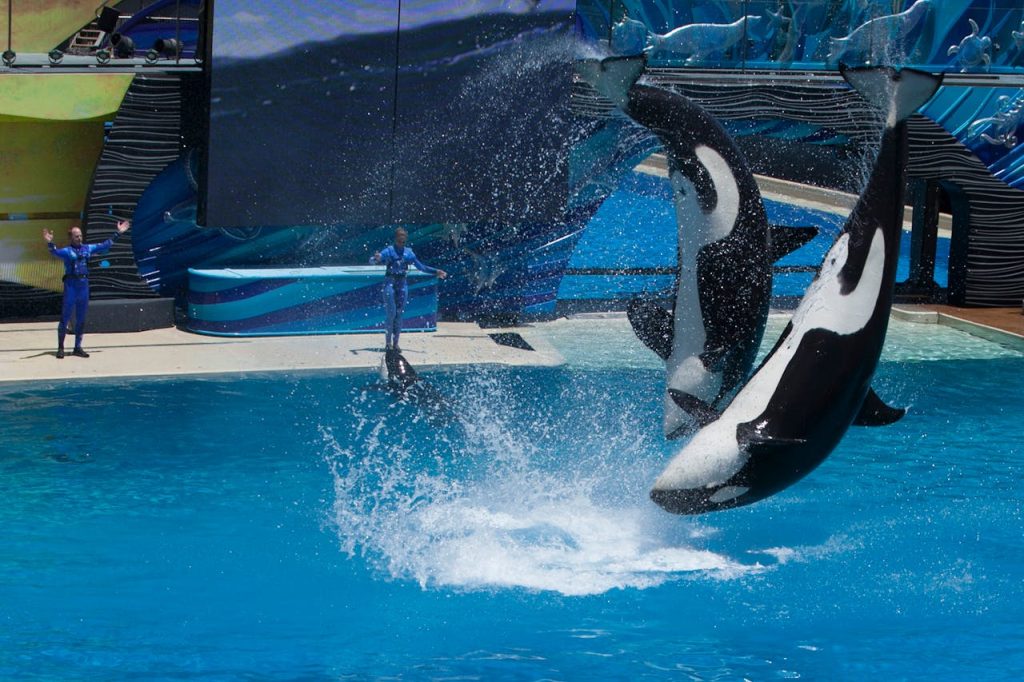
Washington’s southern resident killer whale rules show what tightening looks like on the water. State guidance now requires boaters to stay 1,000 yards away from southern residents, with added behavior limits when whales enter closer ranges. The change took effect on Jan. 1, 2025, replacing a much shorter legacy buffer in state waters.
Officials tied the update to evidence that vessel presence can interfere with foraging for an already stressed population. The result is a clearer, less negotiable standard: slower speeds, wider space, and fewer risky judgment calls when whales surface near recreational traffic corridors.
Hawaii’s Spinner Dolphin Rule Protects Daytime Rest Windows
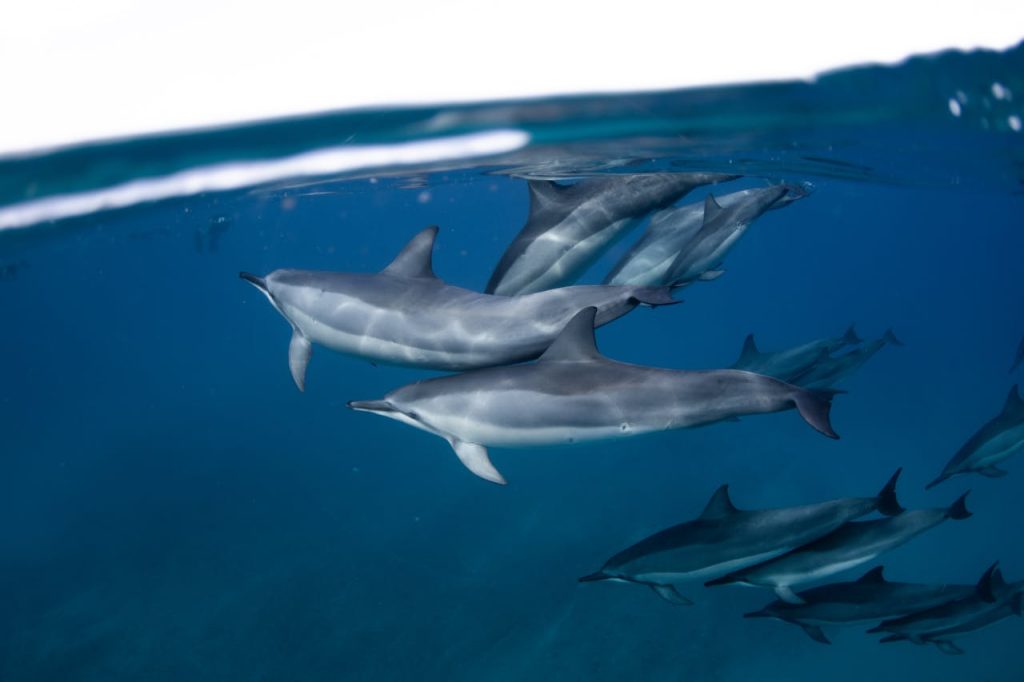
NOAA’s spinner dolphin rule in Hawaii made one point unmistakable: rest disruption counts. The regulation prohibits swimming with, approaching, or remaining within 50 yards of Hawaiian spinner dolphins in covered nearshore waters, including interception tactics that force repeated close encounters around daytime habitats.
The policy was shaped by long-running concerns that daily tourism pressure can fragment rest and alter behavior over time. Instead of relying on etiquette alone, the rule set a measurable boundary that guides tour operations, personal watercraft use, and shoreline recreation where visibility is high.
Manatee Protections Draw A Clear Legal Line Around Contact
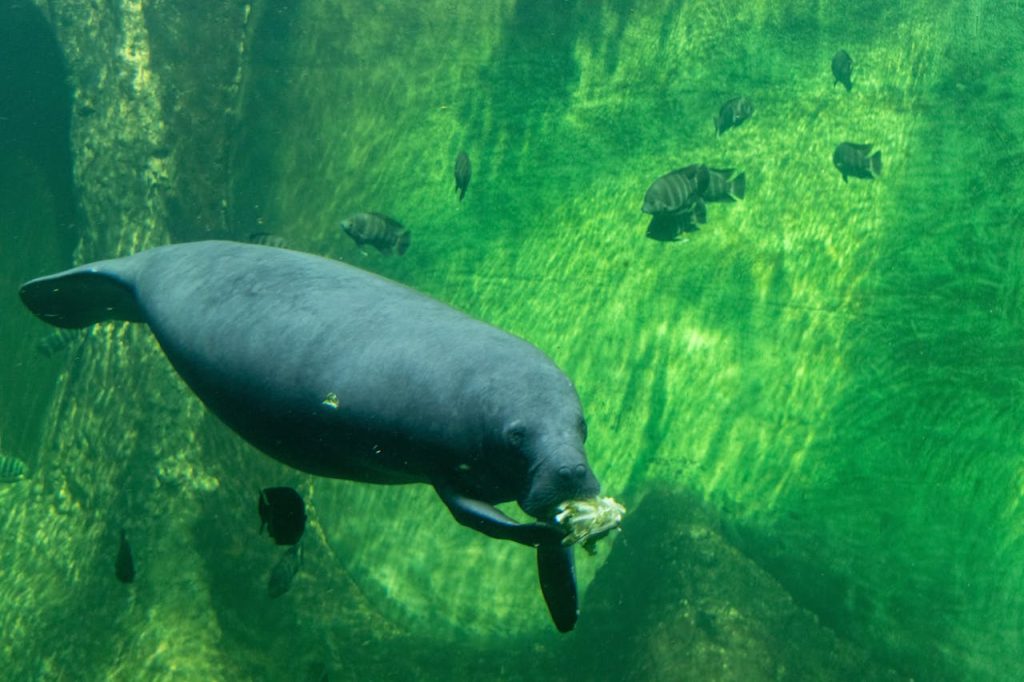
Manatee protection in Florida reinforces the same principle: admiration cannot become interference. Federal and state guidance says feeding or harassing manatees is illegal, and state viewing guidance urges passive observation rather than touching, chasing, or giving water. These instructions are practical, not symbolic.
When animals become accustomed to people, they can lose avoidance behavior around boats and high-traffic channels, raising risk for wildlife and responders. Stronger messaging around no-contact rules is meant to interrupt that conditioning cycle early, especially in winter congregation zones where space gets tight.
Feeding Wildlife Is Now Framed As Behavior Change, Not Kindness
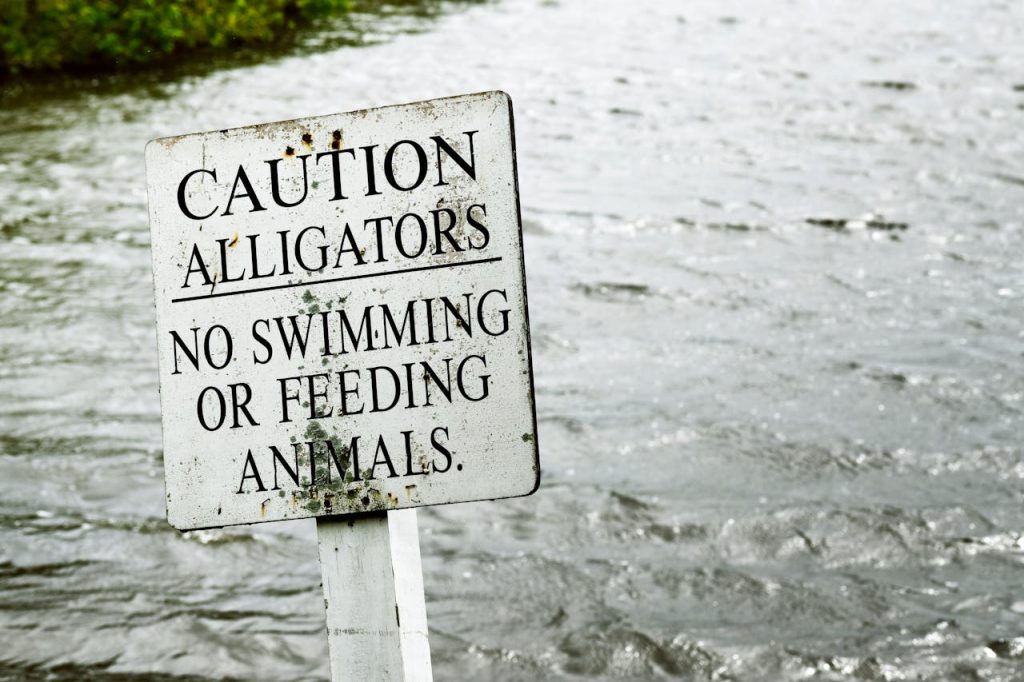
Across agencies, feeding bans are explained as behavior management rather than moral scolding. National Park Service and U.S. Fish and Wildlife Service materials both warn that handouts can produce food conditioning, habituation, conflict, and disease risk, turning short novelty into long management strain.
That framing changes expectations. A tossed snack is not treated as a harmless moment; it is treated as a trigger that can shift movement patterns, increase bold encounters, and force intervention later. Laws tighten when prevention is safer, cheaper, and more humane than responding after conflict has escalated further.
Public Health Guidance Now Sits Inside Wildlife Contact Policy

Health guidance now sits at the center of wildlife messaging. CDC travel advice says to avoid petting or feeding animals because any animal may bite, scratch, or spread disease, and CDC rabies guidance also stresses distance from wildlife in the United States. Legal and medical messages now reinforce each other.
That overlap matters in peak travel periods, when one risky interaction can ripple into emergency care, testing, and public concern. Contact laws are increasingly written to prevent exposure pathways early, so agencies avoid larger response efforts after preventable incidents begin circulating through news reports.
Enforcement Is Expanding Because Visibility Rewards Risky Behavior
The hardest part is cultural. Wildlife encounters are often filmed, ranked, and shared, which can reward closeness while making patient observation look less exciting. Agencies now pair legal boundaries with clearer viewing guidance, posted distances, and reporting channels when violations occur across access points.
This is why laws keep tightening even when rules already exist on paper. Officials are adapting to behavior at scale, not isolated mistakes. The goal is straightforward: preserve the thrill of seeing wild animals while keeping enough distance for animals to stay wild and shared spaces remain manageable year after year.
At its best, wildlife law protects wonder without draining it. Clear limits let families, researchers, and local guides share the same landscape with fewer emergencies and less pressure on animals already navigating habitat stress. The strongest rule is simple and lasting: distance is not indifference. It is a form of care that keeps encounters memorable for people, while giving wild creatures the space they need to remain truly wild.