

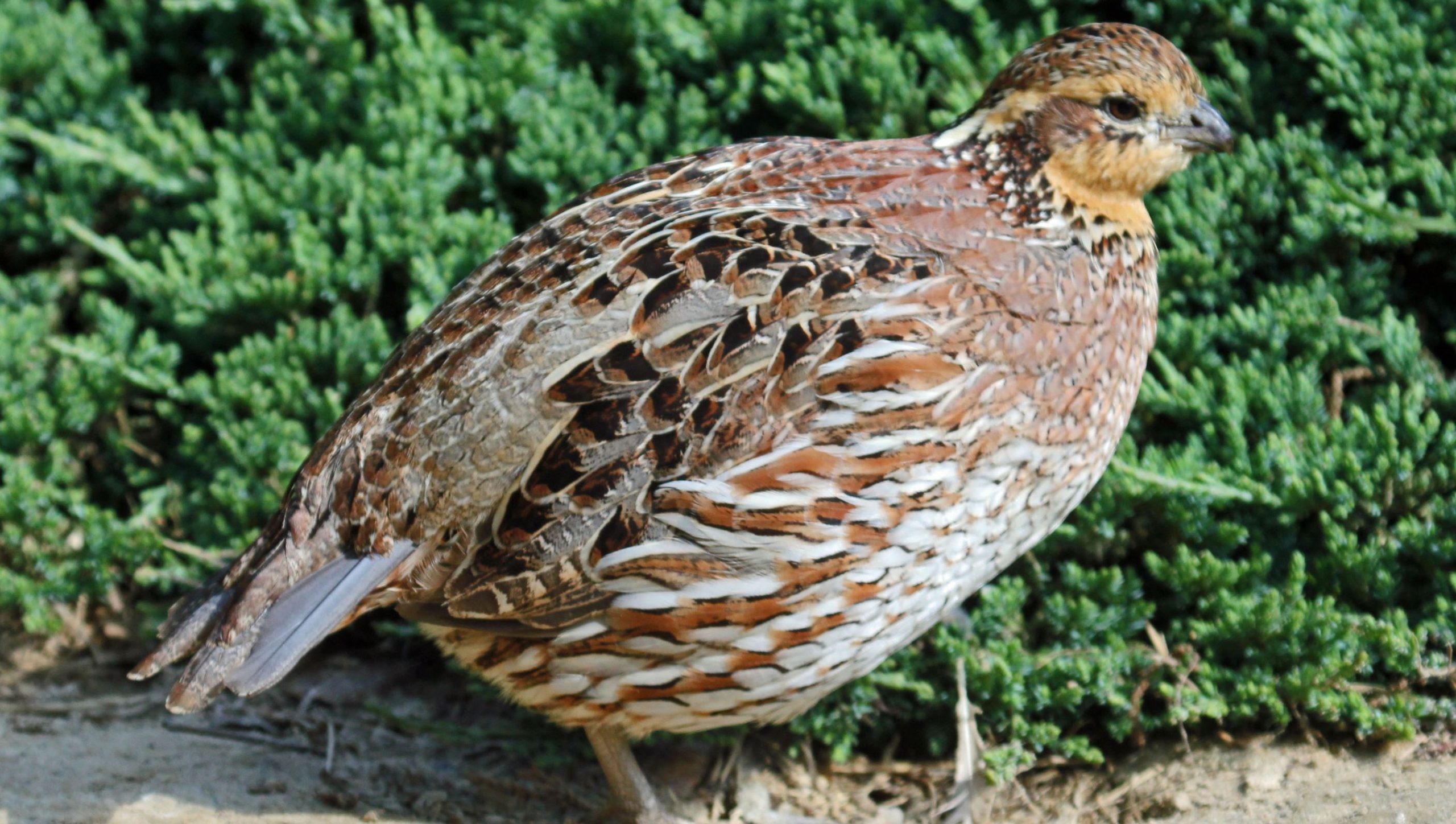
A quiet prairie can hold northern bobwhites in plain sight, right up until a covey erupts in a burst of wings and drops back into cover. Their round bodies, small heads, and stitched-brown camouflage are made for life on the ground, along shrubby edges and field borders. Because they vanish so quickly, birders sometimes confuse them with other small game birds seen only in motion. In many regions they have thinned as habitat was lost, fires were suppressed, and open land grew tidier. Seven quick checks help turn a brief flush or a pre-dawn call into a confident identification. The payoff is a wild thrill before sunrise.
The Covey Burst Matches The Species
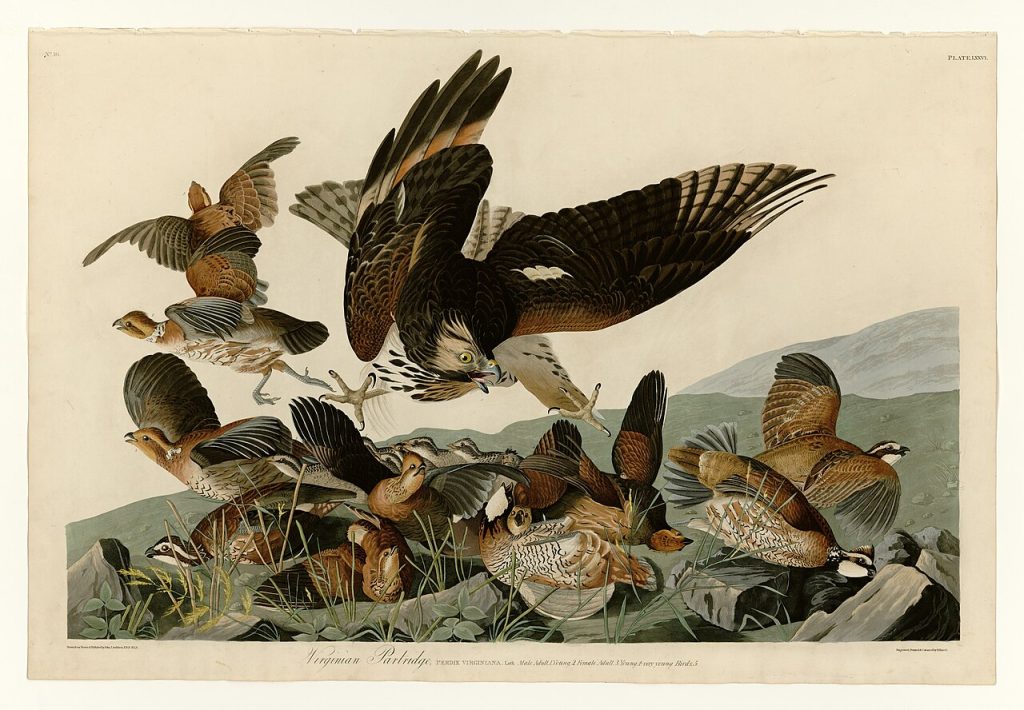
Start with the group behavior. Northern bobwhites travel in coveys, small bands of quail that move and feed together, using tight spacing and quick reactions to reduce risk from predators, including birds of prey. Repeated tight-group bursts along the same field edge are a strong tell.
When surprised, the covey often erupts as one, a hard whir that feels bigger than the birds themselves. In good habitat a covey may hold as many as 20 birds, then skim low in a tight arc and drop back into grass or shrubs fast, as if the ground swallowed them. After landing, they usually run, then freeze, before any clear look is possible.
The Compact Shape Reads Round And Low
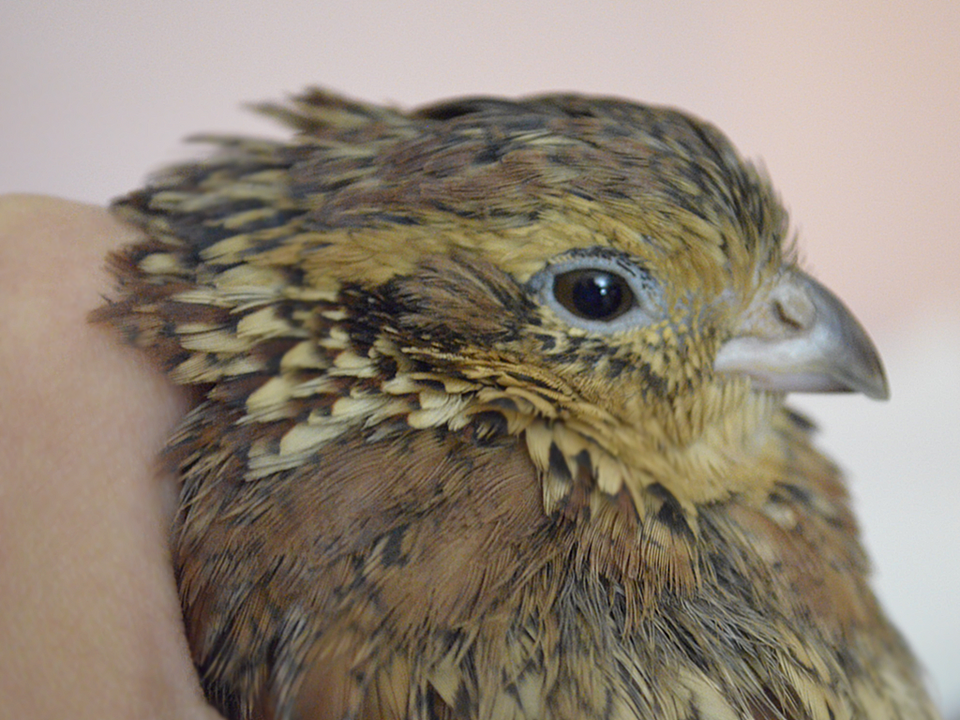
Shape is the next fast check. Northern bobwhites look compact, with a round body, short tail, and a small head that can seem tucked in when the bird hustles through cover. In flight, that ball-and-button profile differs from longer-bodied birds that show more neck and leg.
The silhouette matches a ground-foraging life along grasslands, shrubby pastures, and field borders. When a bobwhite pauses, the body stays low, built for a short sprint into shrubs. Up close, the rounded form is wrapped in intricate brown and rufous patterning that turns dry grass, leaf litter, and soil into a hiding place. The effect is near-perfect camouflage.
The Face Color Splits Male From Female
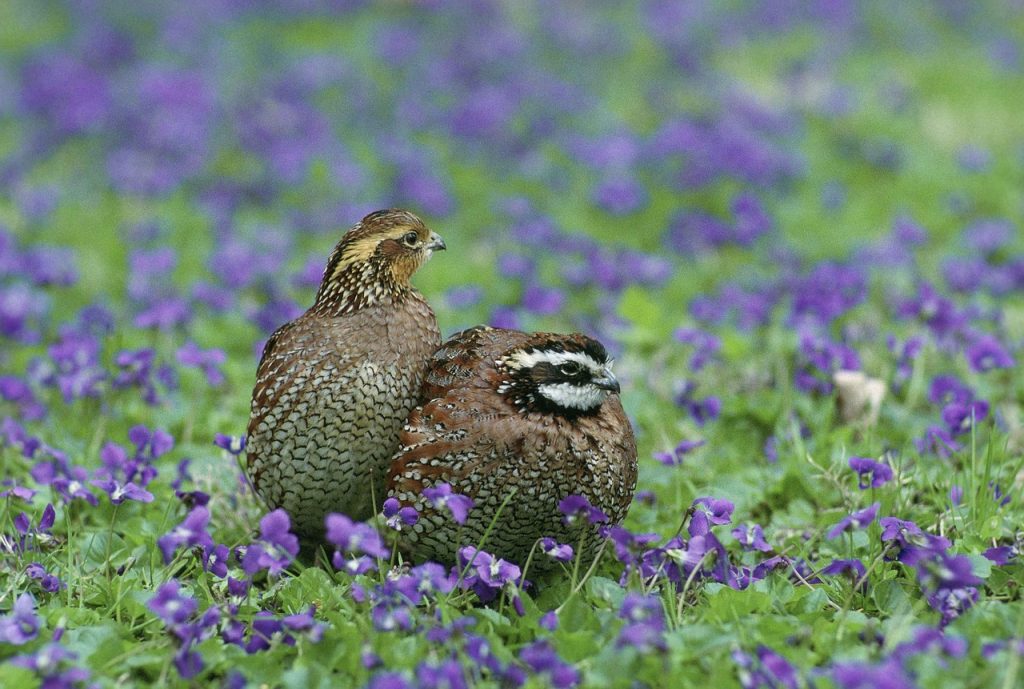
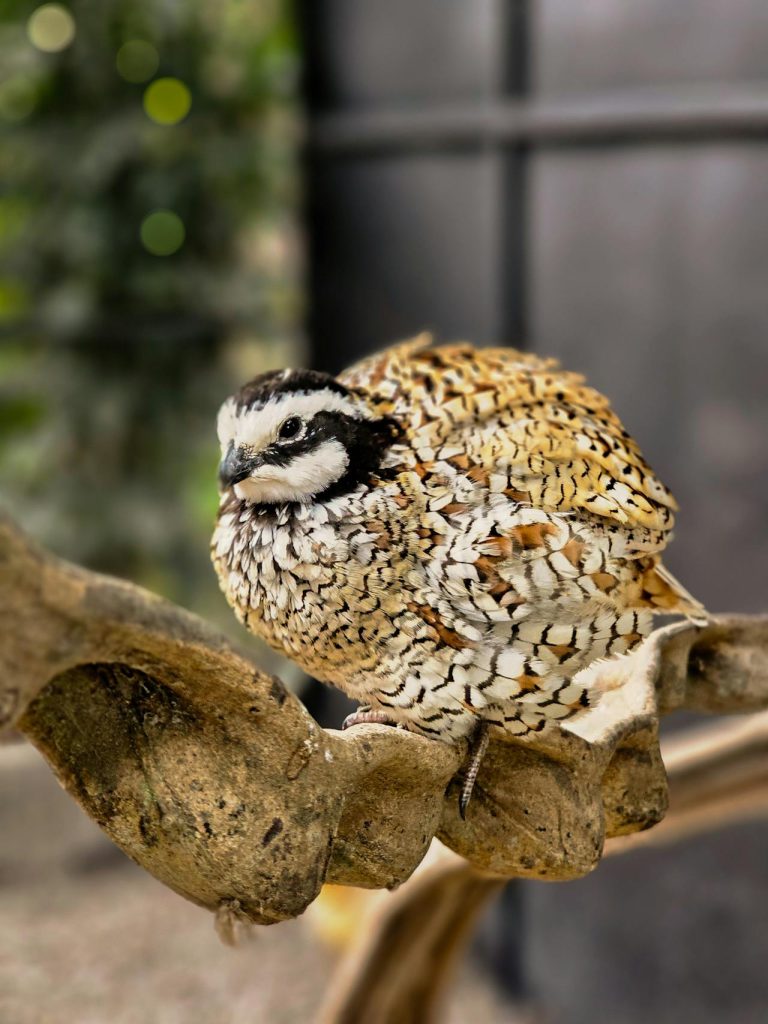
Face color is a clean confirmation when light cooperates. Male northern bobwhites carry a bold black-and-white head pattern that reads as a bright white face edged by darker marks, while females stay softer with a light buff face. The contrast can pop even at mid-distance when a bird pauses before slipping back into cover.
Both sexes share intricate brown and rufous body patterning, so the head becomes the quickest separator in a brief view. Young males can look patchy while molting into adult plumage, but the overall tone still trends whiter than buff. Along a fence line or shrub edge, those few seconds are often enough.
The Bob-Bob-White Whistle Is A Tell
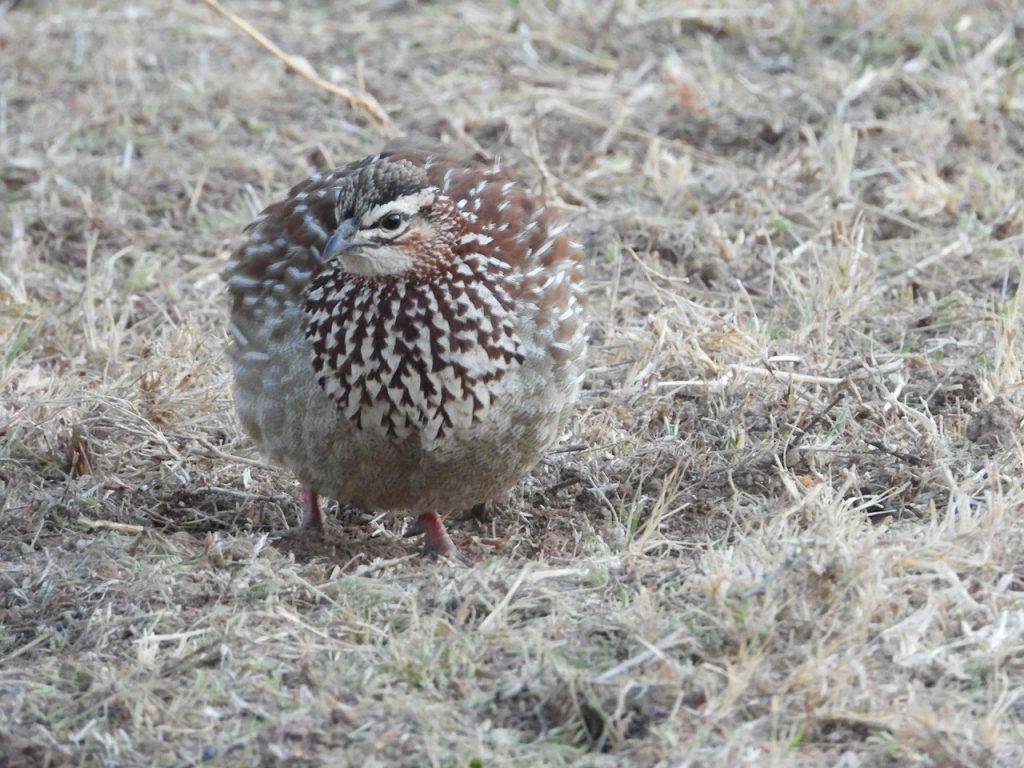
Sound often does the heavy lifting. During the breeding season, male northern bobwhites give a clear bob-bob-white whistle, sometimes from a fence post or low rise where the notes carry across pasture and field borders. It can feel like a small flag planted in the grass, audible after the bird has blended back into browns.
The whistle is loud for a compact bird, and it often repeats from the same spot, which helps narrow the search area. Paired with a brief look at a round-bodied quail that stays low and darts into cover, the match tightens quickly. Even without a perfect view, the sound and setting can seal it on their own.
The Koi-Lee Call Shows Covey Communication
When the famous whistle fades, timing becomes a clue. In fall and early winter, northern bobwhite coveys give a koi-lee call about 30 minutes before dawn, a roll call that lets groups announce their presence to one another. It can be the first sign a covey is close, even when the ground stays dark.
Because the sound is tied to covey communication, it usually comes from low cover rather than an exposed perch. On a still morning, replies can stitch together a loose map of nearby coveys across grass and shrubs. Hearing that exchange, then catching a covey flush later, forms a consistent picture in the same patchwork habitat.
The Habitat Should Feel Open But Shrubby
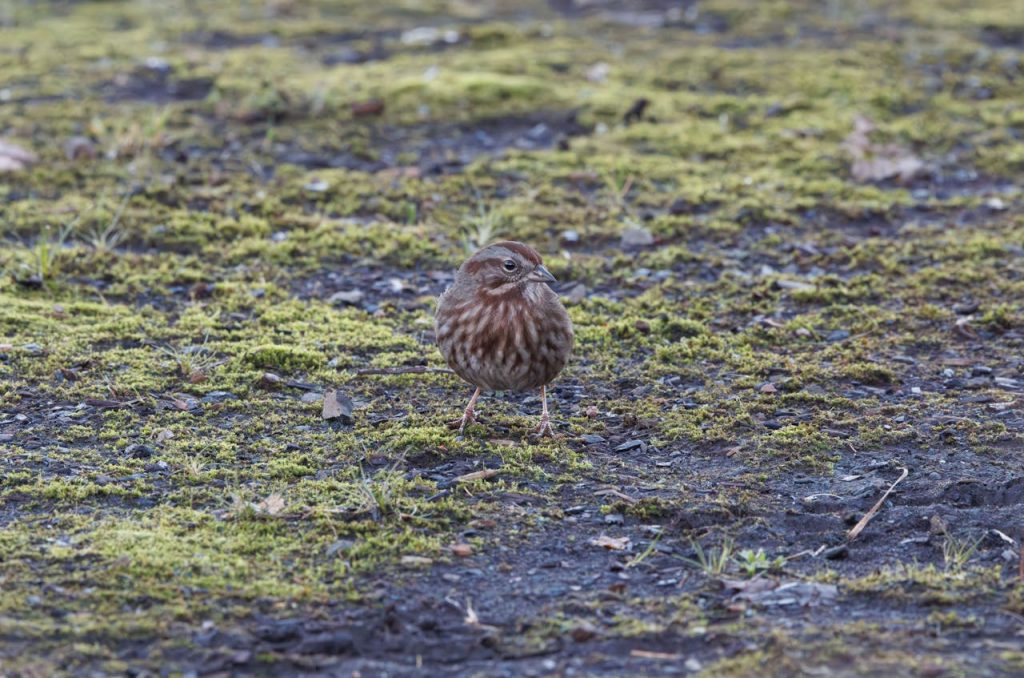
Location is a fast reality check. Northern bobwhites favor grasslands, shrubby pastures, and the edges of agricultural fields, places where open ground meets dense cover within a few steps. They are an atypical backyard bird.
Researchers describe them as shrubland birds tied to early successional habitat that is frequently disturbed, including prescribed fire, which keeps shrubs and native growth in the right stage. Where fire suppression, mechanized farming, and urban sprawl have smoothed the landscape, bobwhites have declined sharply. A quick sighting in the right habitat carries more weight than a longer look in the wrong place.
The Ground Feeding Style Fits The Menu
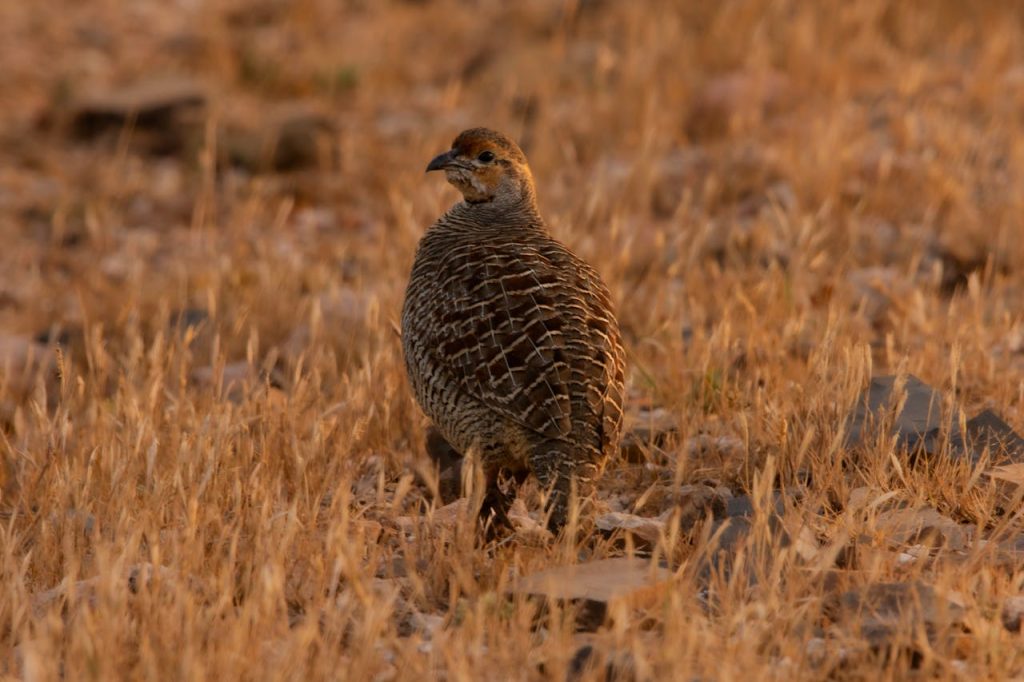
Behavior at the feet can finish the ID. Northern bobwhites are ground foragers, working the leaf litter and grass base for seeds, then adding protein like spiders and crickets when it is available. They also build nests on the ground, lined with vegetation.
Seasonal diet details fit what observers notice: legume seeds and acorns bulk up winter meals, while leafy plants and grass seeds show up in summer. A bird that feeds low, stays close to shrubs, and bolts into cover at the first hint of danger matches the bobwhite’s entire design. When that pattern lines up with covey size and voice, the identification becomes hard to shake.