

Across the world’s most crowded predator landscapes, wild cats read the land like a map of grudges. A scrape on a tree, a scent mark on a trail, or fresh pawprints near water can signal a rival crossing a line.
Most clashes end in bluffing or retreat, because injury can mean starvation. But in a handful of species, size, speed, stealth, or social backup can turn a dispute into something final. When food is tight, cubs are vulnerable, or breeding rights narrow to one safe corner of habitat, these cats sometimes eliminate competition. That pressure quietly shapes where smaller cats dare to hunt, travel, and raise young.
African Lion
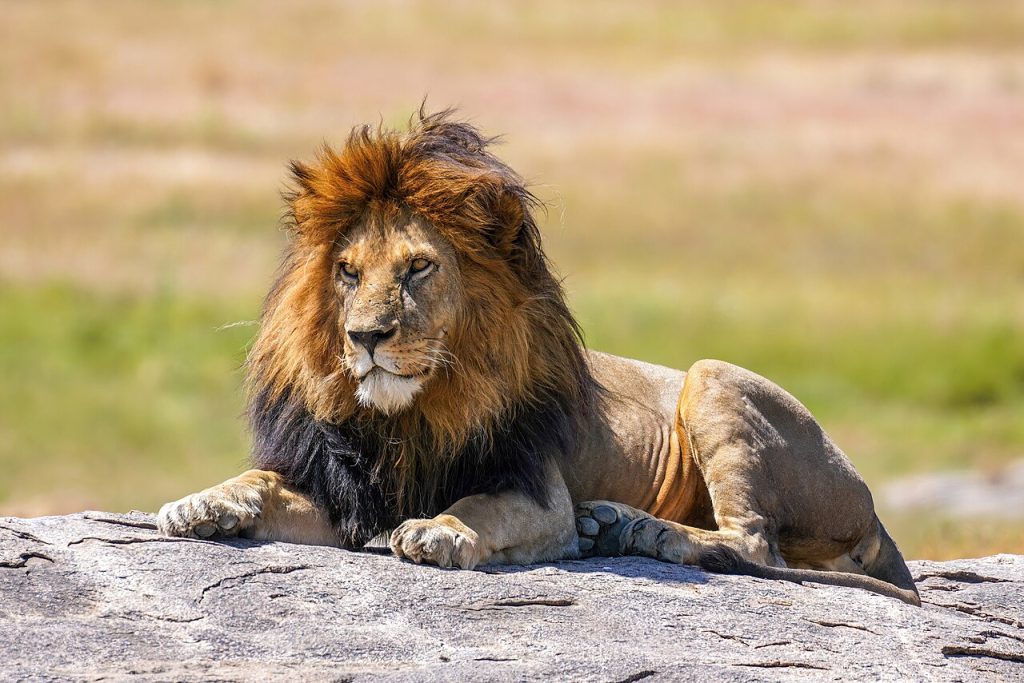
A pride turns territory into a collective claim, and that changes the math of a confrontation. When lions patrol waterholes, game trails, and shade trees, they treat other big cats as thieves-in-waiting, because the same prey base keeps everyone circling the same ground.
If a leopard is pinned away from a climbable trunk, or a cheetah is caught without room to sprint, the intent can be blunt: erase competition and secure the area for the group. Studies of cheetah cub survival identify lion predation as a major driver of losses, and observed clashes with leopards show how quickly a territorial argument can turn fatal.
Tiger
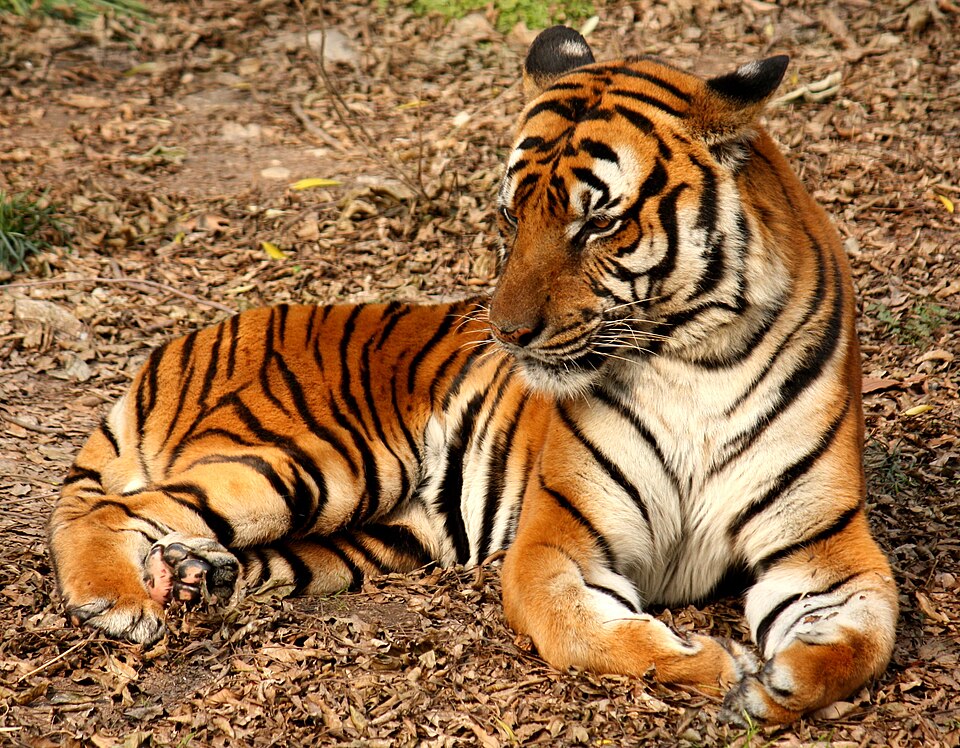
A tiger’s territory is defended with a single-minded focus, because it holds the prey, cover, and mating access that keep an individual alive. In places where tigers and leopards overlap, research describes strong avoidance patterns, with leopards adjusting timing and habitat choices to reduce the chance of a direct encounter.
That risk is not theoretical: documented incidents include tigers killing leopards after boundary intrusions in Indian forests. Tigers can also be lethal to their own kind, and same-sex territorial fights sometimes end in deep, disabling injuries that become fatal within hours or days, even without infection.
Leopard
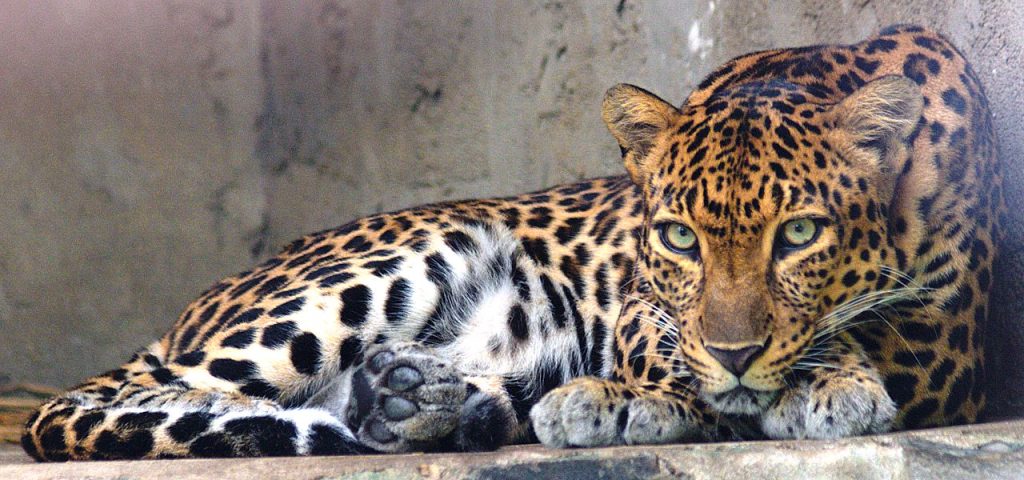
Leopards survive by staying unseen, and that stealth turns a shared watering path into an ambush lane for rivals that rely on speed or daylight safety. They guard food hard, too, hauling prey into trees when possible, then circling back with the patience of an animal that expects challengers to arrive and test limits.
Rare records include leopards killing adult cheetahs, including a published observation of an adult leopard feeding on an adult cheetah over 2 days, and Project Cheetah in India reported a fatal territorial clash at Kuno, underscoring how quickly a boundary mistake can turn deadly for a newcomer nearby.
Cheetah
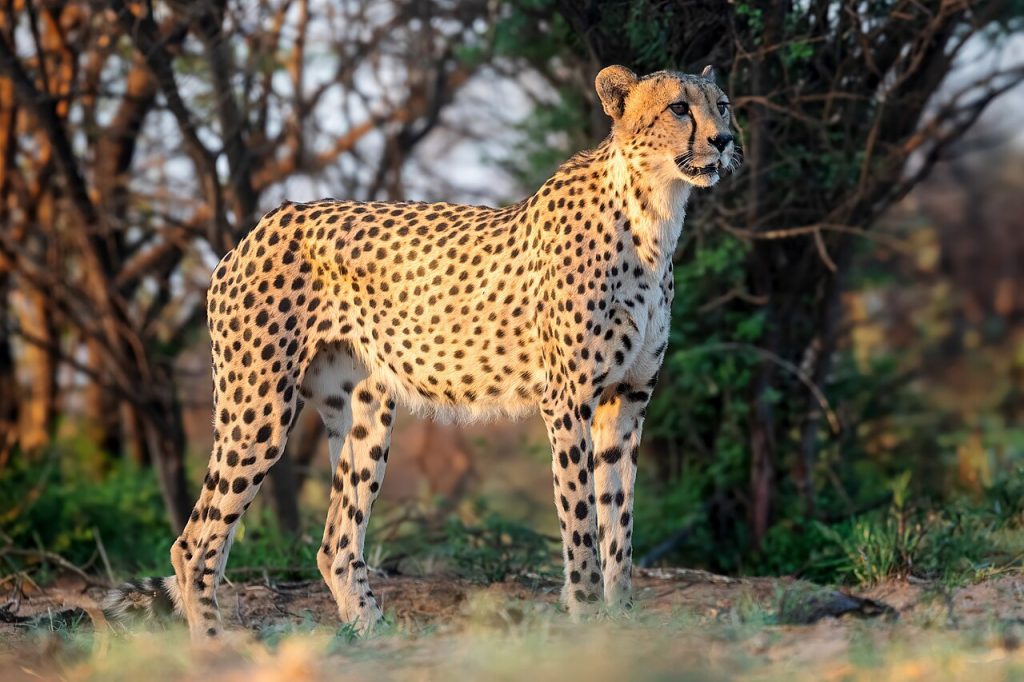
Cheetahs are built for open ground and fast chases, yet that speed does not guarantee safety or steady meals when the savanna is crowded with bigger mouths. Because they are lighter than many neighbors, they often abandon a hard-won kill when lions or hyenas arrive, and hunger can tighten the decision window to minutes.
In that context, cheetahs have been observed attacking smaller cats such as servals, a rare choice that may reflect scarcity, age, injury, or simple opportunity, and it shows how thin margins can flip a specialist hunter into a dangerous enforcer of space when boundaries blur at the edge of cover and water.
Jaguar
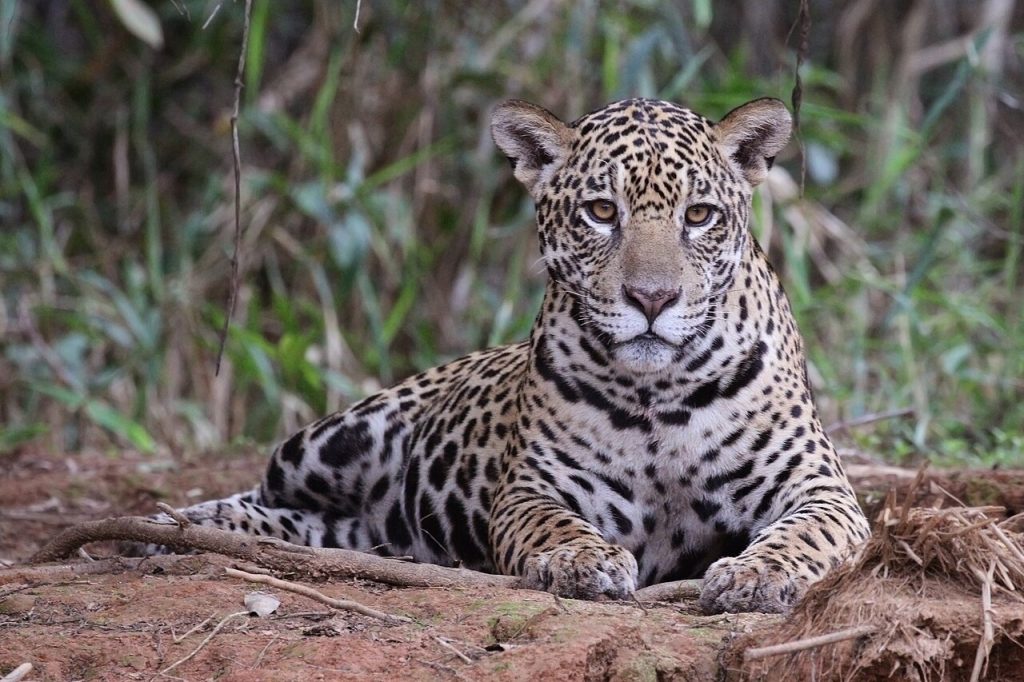
In the Americas, jaguars carry a deep-chested power that lets them control river corridors, forest edges, and the prey that funnels through them. Where jaguars and pumas share ground, pumas often adjust their movement and timing, a quiet concession that reduces the odds of a close-range confrontation at a carcass or trail pinch point.
Published field accounts include an instance of jaguars killing a puma in Brazil’s Pantanal, and studies of jaguar-puma interactions describe jaguars as the dominant cat, meaning territorial overlap can become a serious, sometimes fatal, gamble for the smaller rival when resources tighten.
Cougar
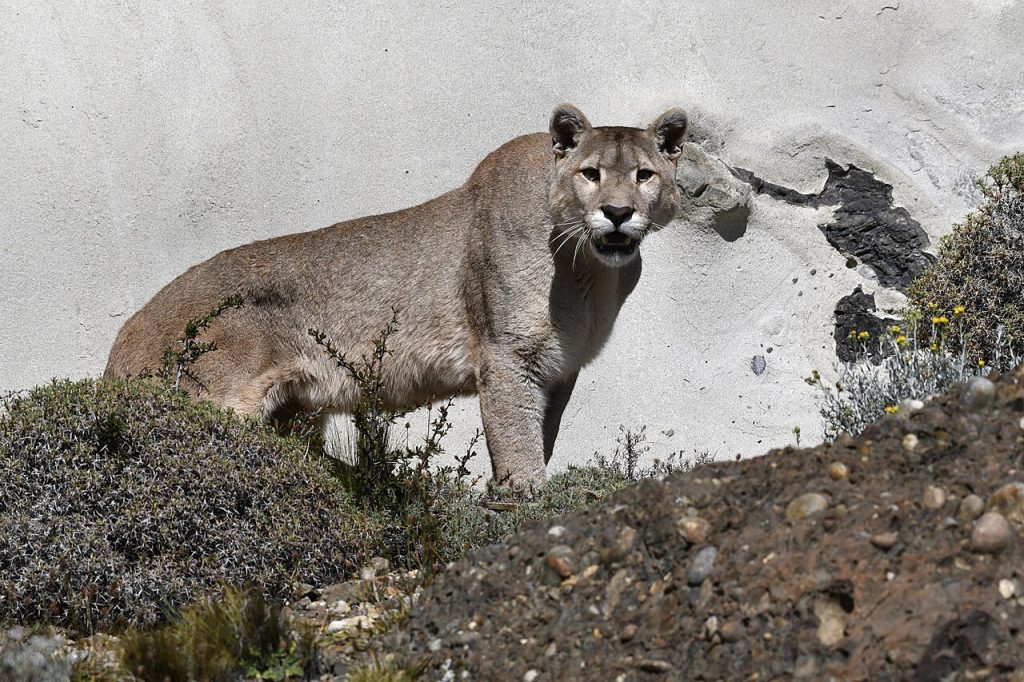
Cougars cover huge home ranges, and a single adult can treat an entire mountain chain as personal hunting ground. That scale creates overlap with smaller cats near deer trails, canyon funnels, and wintering areas, and the cougar’s size advantage leaves little margin once contact is made in thick cover.
Long-term research has reported interference competition where cougars killed bobcats, and territorial fights between cougars can also be fatal, especially when breeding access and narrow travel corridors force repeated, unwanted encounters over the same ridgelines, water sources, and fresh kills during lean seasons at dusk.
Eurasian Lynx
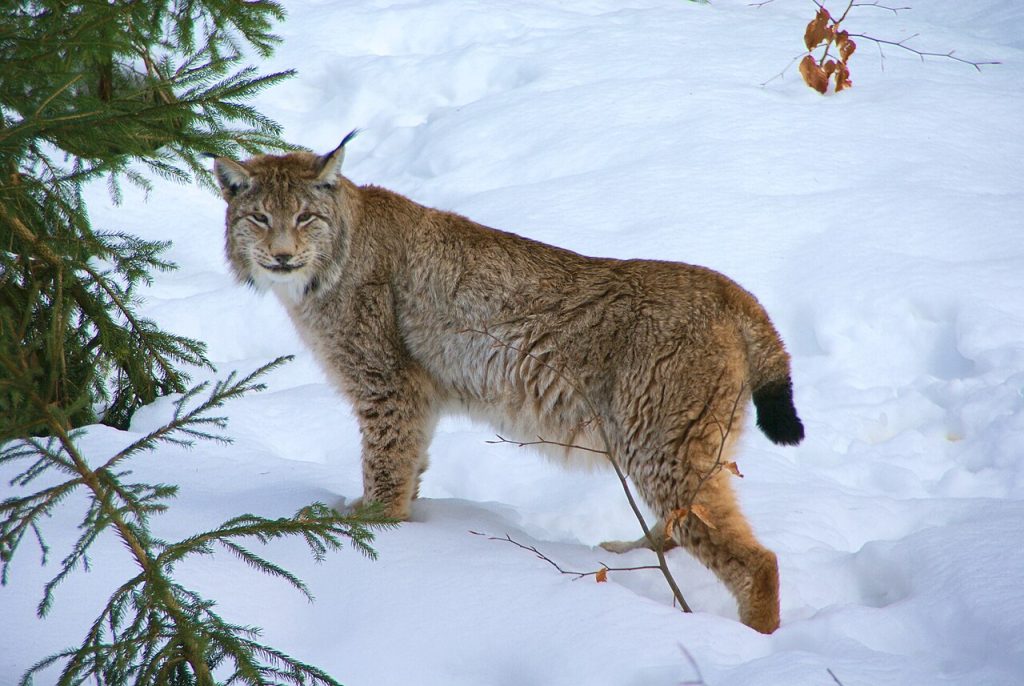
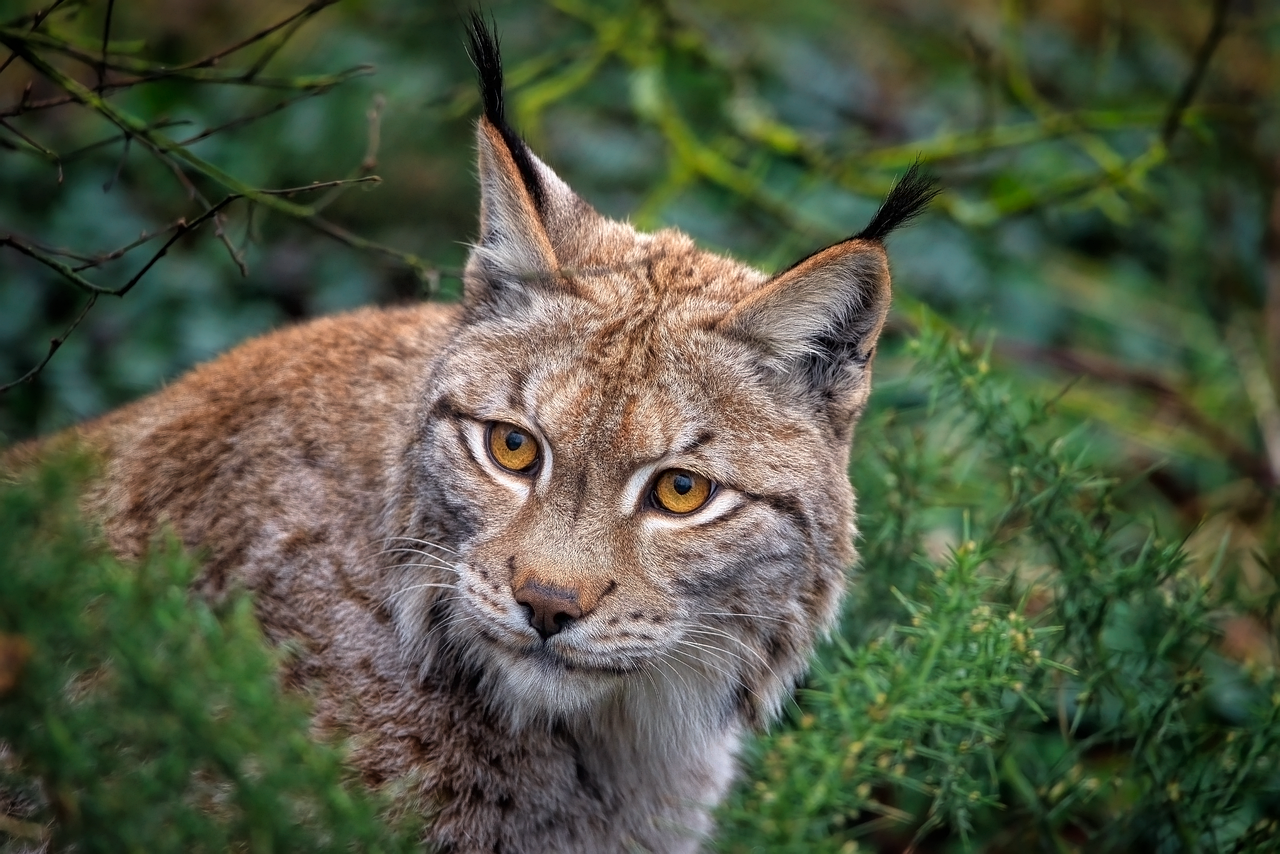
Eurasian lynx move like shadows through forests and rocky slopes, and their quiet approach makes surprise encounters hard to avoid. In parts of Europe where lynx return, smaller carnivores adjust where they travel and hunt, a sign that the lynx is not just a neighbor, but a risk.
Studies tracking lynx alongside wildcats and other mesocarnivores describe habitat segregation consistent with intraguild predation pressure, and documented lynx kills of competing predators reinforce the point: in tight terrain, a territorial overlap can end abruptly when the larger cat decides the forest has no room for rivals at all anymore.