

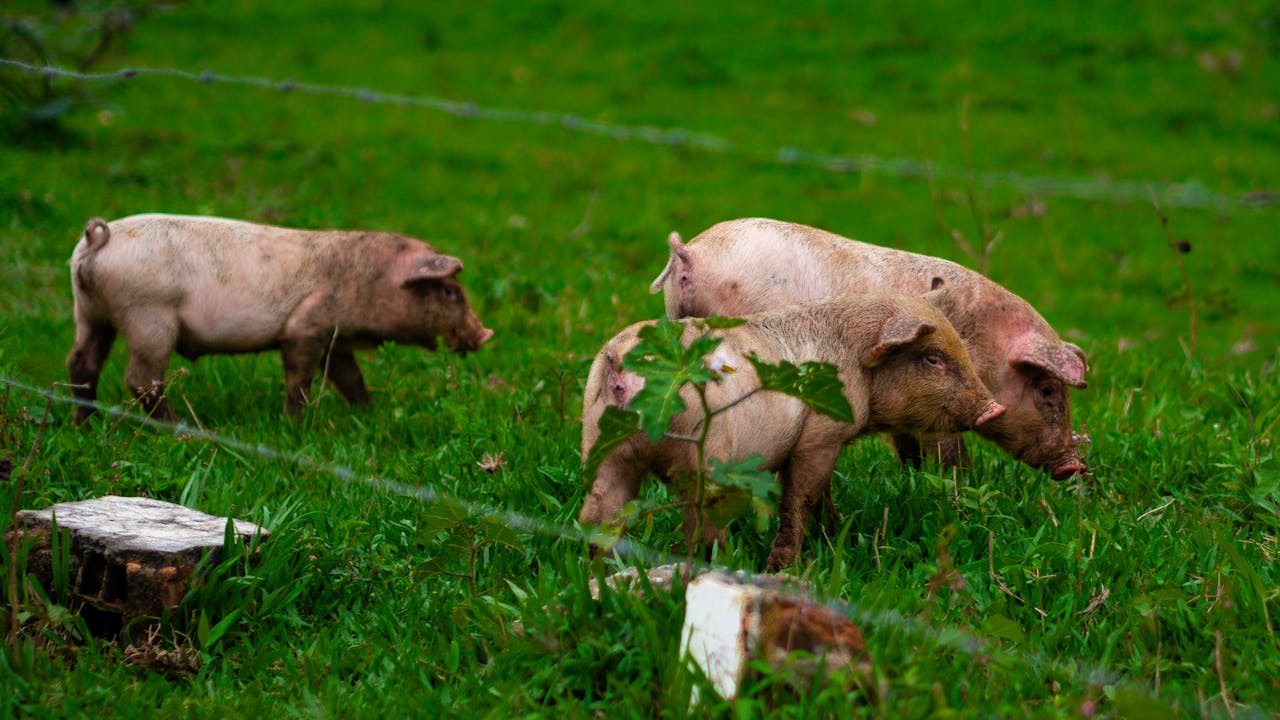
Across farms, wetlands, and forest edges, feral pigs keep forcing wildlife managers to rewrite plans that looked solid only weeks earlier. Teams may remove animals in one season, then watch new damage appear just beyond the last treatment zone. The problem is not one clever behavior. It is a layered survival package: rapid breeding, social learning, route shifts under pressure, and repeated human-assisted spread. What appears to be a clean win can unravel quickly when even a small remnant regroups, relocates, and starts the cycle again in nearby habitat. By the time evidence surfaces, costs usually have returned.
Rapid Reproduction Rebuilds Numbers Before Programs Scale
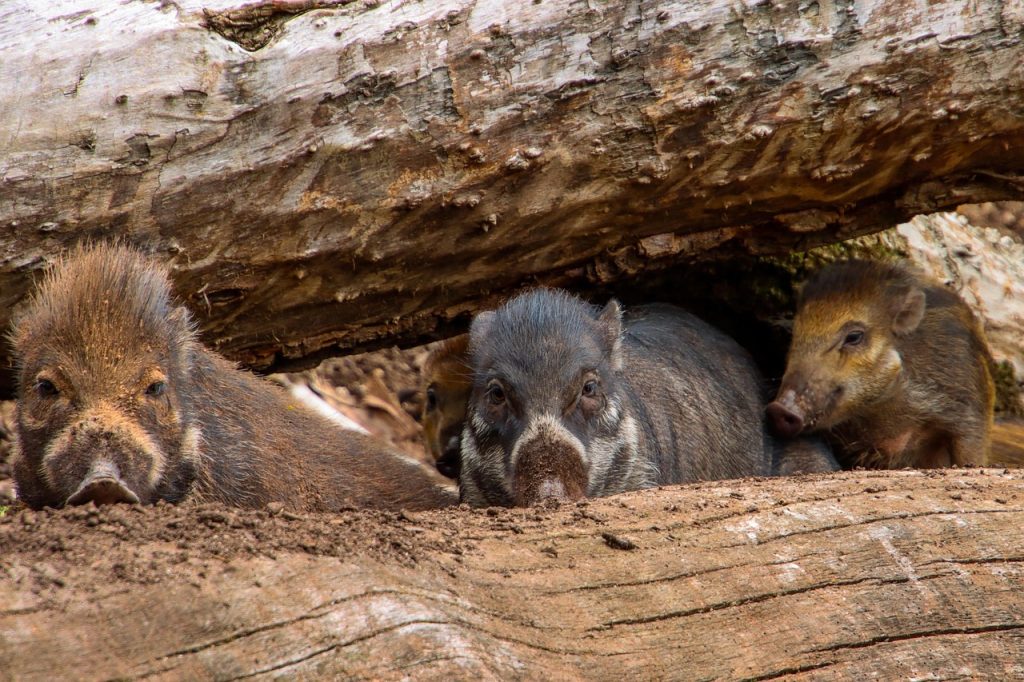
Feral pigs reproduce quickly for a large mammal, and that pace can erase gains before teams scale up. Federal guidance says breeding can begin as early as six to 12 months, with year-round farrowing possible. Average litters are about five piglets, and multiple litters per year can occur when forage is reliable and cover is nearby.
That biology changes control math. Removals must be timely, repeated, and broad enough to suppress breeding females, not only visible adults. When operations pause after one good month, recovery can be rapid, especially near crops, mast, and permanent water where food and shelter stay dependable.
Sounder Social Structure Helps Survivors Learn Fast
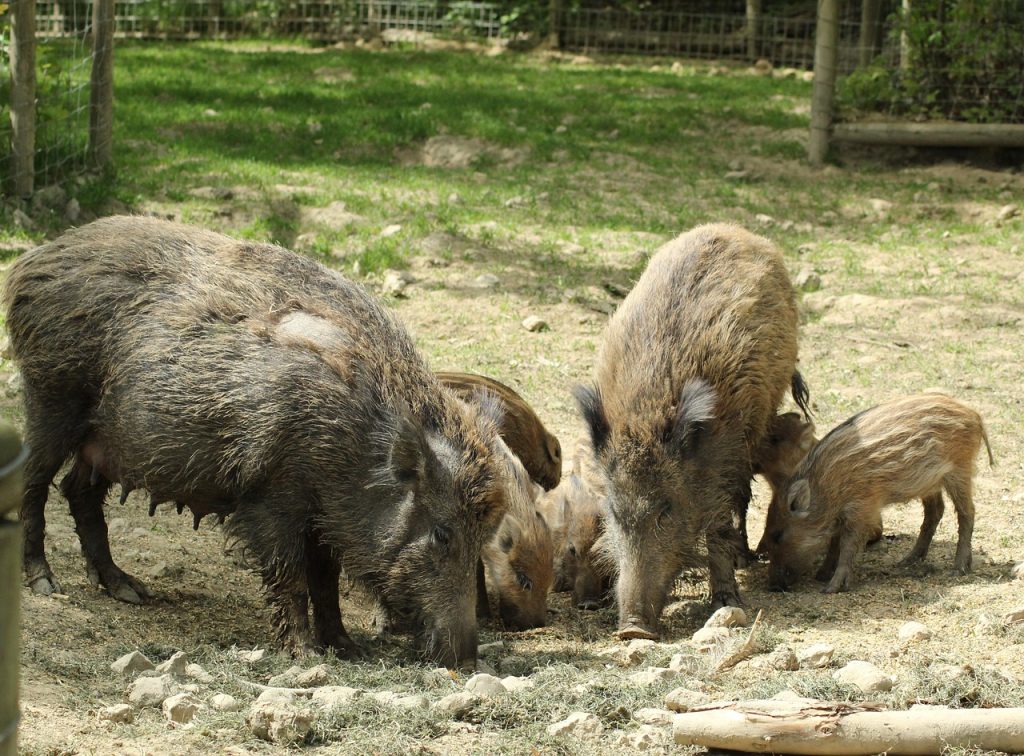
Many control plans fail because they remove animals one at a time while the social unit stays intact. Feral pigs live in family groups called sounders, usually centered on related females and young. If only a few are taken, the remainder often become harder to approach with the same route, bait setup, or trap rhythm, and they can shift patterns quickly.
Managers now push whole-sounder capture when conditions allow, often using large corral systems or remotely triggered tools. It takes planning and patience, but partial capture leaves behind pigs most likely to avoid the next attempt and rebuild pressure in the same general area.
Disturbance Pushes Activity Into Harder Night Windows
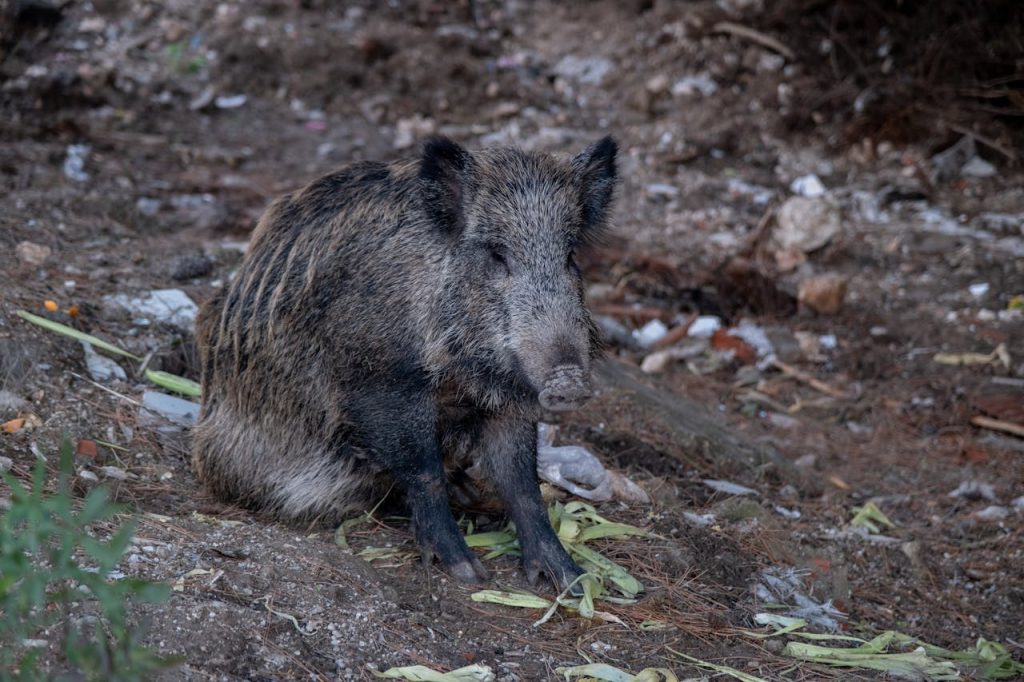
Pressure changes pig behavior faster than many people expect. With repeated daytime disturbance, feral pigs often shift toward nighttime feeding, thicker cover, and less predictable travel paths. Once that shift settles in, older camera data and bait schedules can go stale quickly, and crews end up chasing activity that moved away from earlier hot spots.
The practical result is fewer encounters unless tactics change at the same speed. Night operations, updated surveillance, and rotating access points can recover effectiveness, yet every adjustment adds labor, coordination, and cost for programs already stretched across large areas.
Selective Hunting Can Miss the Breeding Core
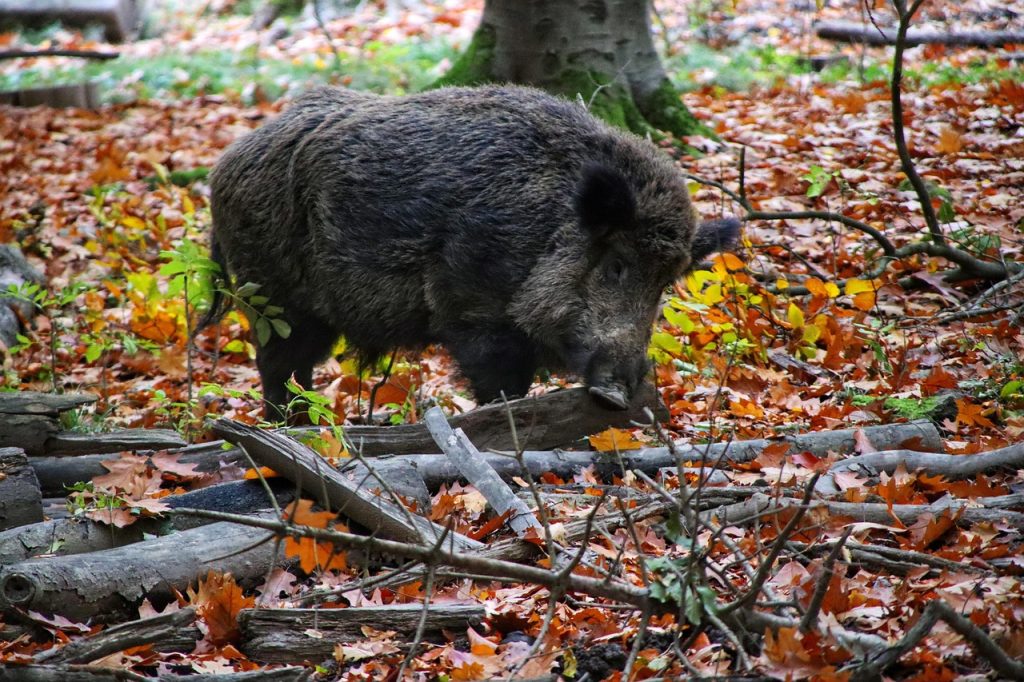
Hunting alone sounds straightforward, but selective pressure can undercut population goals. State and federal guidance warns that trophy-focused take, scattered effort, or bait-centered hunting may remove visible animals while leaving breeding structure mostly intact. In some areas, repeated pressure also alters movement and pushes pigs into harder terrain.
Bounty incentives add another complication. Agencies report cases where rewards fail to sustain pressure, create room for fraud, or encourage behavior that keeps pigs on the landscape longer. When payment tracks reported harvest count alone, lasting reduction can lose priority.
Property Lines Create Gaps Pigs Use as Recovery Lanes
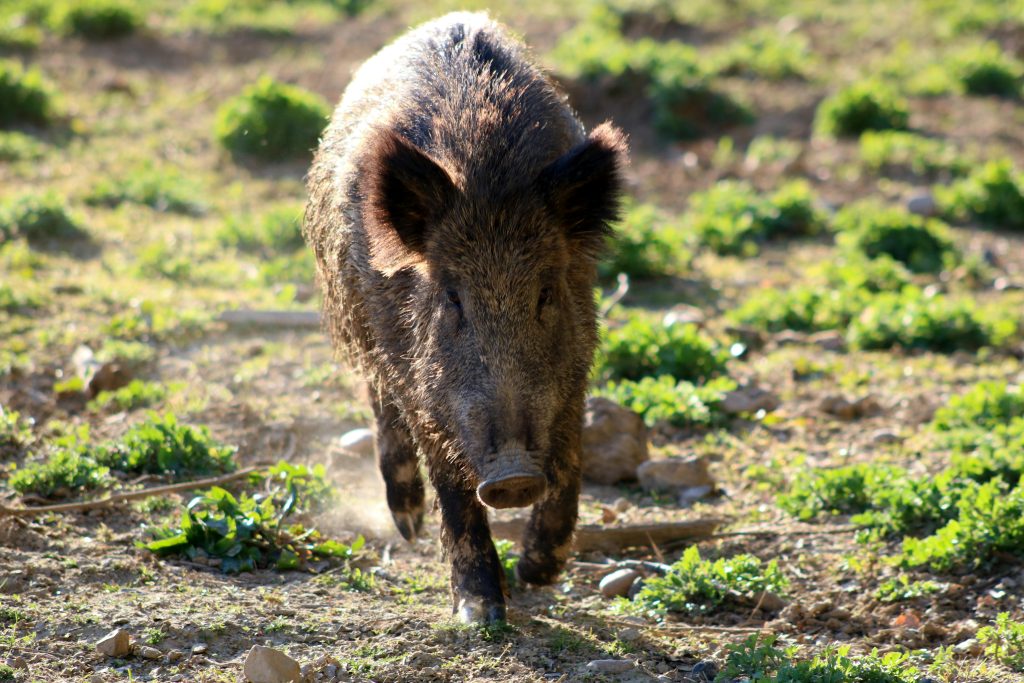
Control boundaries rarely match pig boundaries. Feral pigs cross property lines, move along riparian corridors, and exploit unmanaged pockets between active projects. One ranch may invest heavily while neighboring land remains untreated, and the result is reinvasion instead of durable decline. Teams then repeat work in the same zone the next season.
That mismatch is why managers frame feral pig work as a coordination problem, not only a trapping problem. Shared timing, adjacent landowner participation, and rapid response to fresh sightings matter as much as any single tool, because untreated gaps become reliable recovery zones.
Human-Mediated Moves Keep Restarting Local Outbreaks
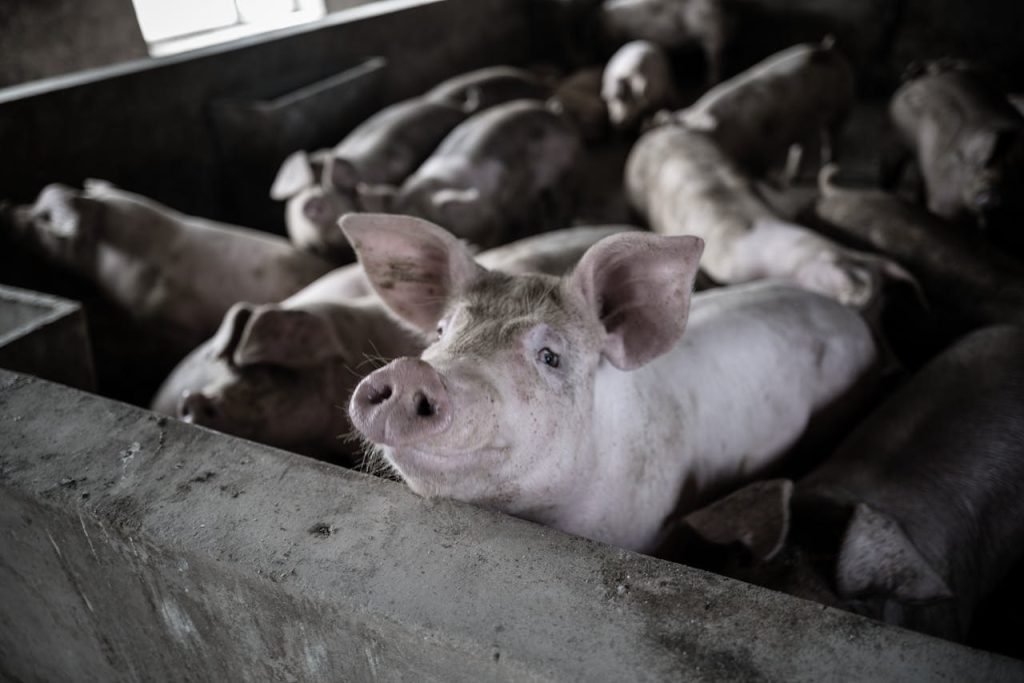
Human behavior can accelerate spread as much as pig behavior does. USDA and state agencies describe how transport and release tied to hunting opportunity helped establish populations far beyond early footholds. Even where transport is illegal, enforcement is difficult, especially when movement happens through private networks.
Once new groups appear, local teams split effort between long-standing damage zones and fresh incursions. That division drains staff time, equipment, and budgets, and it can make steady progress look weaker than it is. Suppression gets harder when managers are forced to defend two fronts at once.
Scale of Damage Demands Sustained, Coordinated Pressure
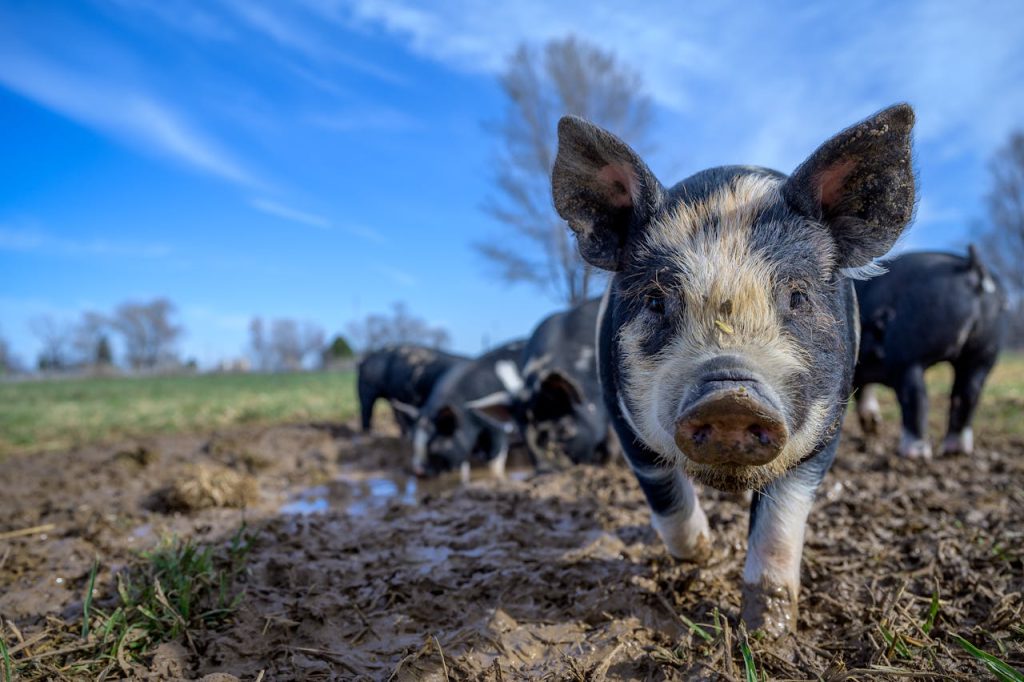
Managers are not chasing numbers alone. They are protecting crops, habitat, water quality, livestock health, and community trust at the same time. Federal estimates place U.S. feral swine damage and control costs at about $2.5 billion each year, with at least $800 million tied directly to agriculture and farming operations.
The hard truth is that partial effort rarely holds. Population modeling cited by state wildlife authorities suggests annual reductions around 66 to 70 percent may be needed just to keep numbers from growing. That threshold explains why coordinated, persistent programs matter more than short bursts of activity.
Across rural counties, the work can feel exhausting, yet the signal stays consistent. Where agencies, landowners, and neighbors share timing and tactics, damage drops for longer stretches. Each coordinated season protects crops, habitat, and local confidence at the same time, which is why persistence matters more than short-lived wins.