

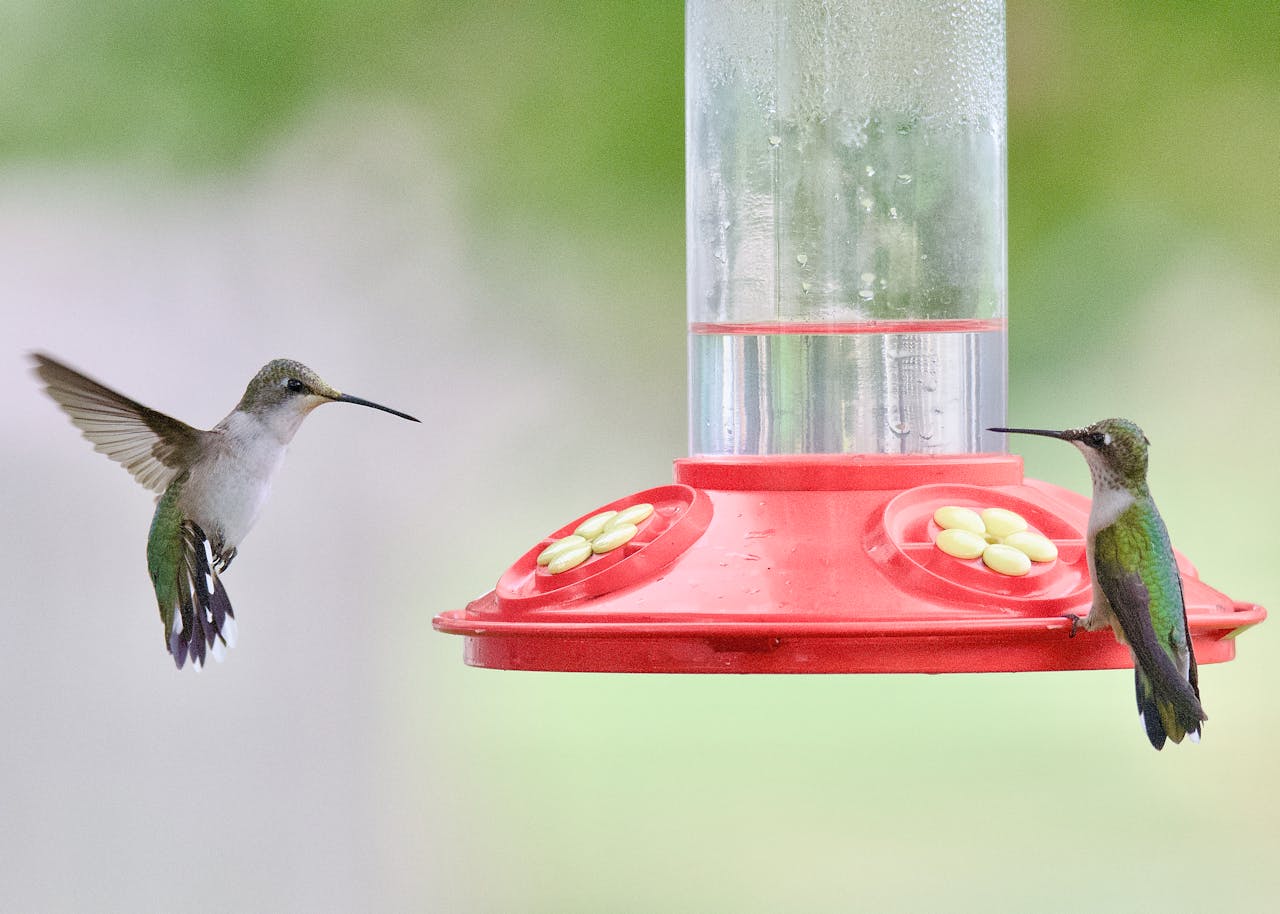
Winter hummingbird sightings can feel like a small miracle, a quick spark of color against bare branches. Along the Pacific coast, southern California, the Southeast, and the Gulf coast, some hummingbirds remain year-round or linger through much of winter. That surprise often inspires a feeder, but experts note the birds still need protein from tiny insects and can use torpor to conserve energy on cold nights.
In a normal season, natural food may be enough in places where hummingbirds have historically overwintered. During unusual multi-day freezes, a feeder can help, yet only if it is kept clean, unfrozen, and handled safely.
Migration Assumptions Can Mislead
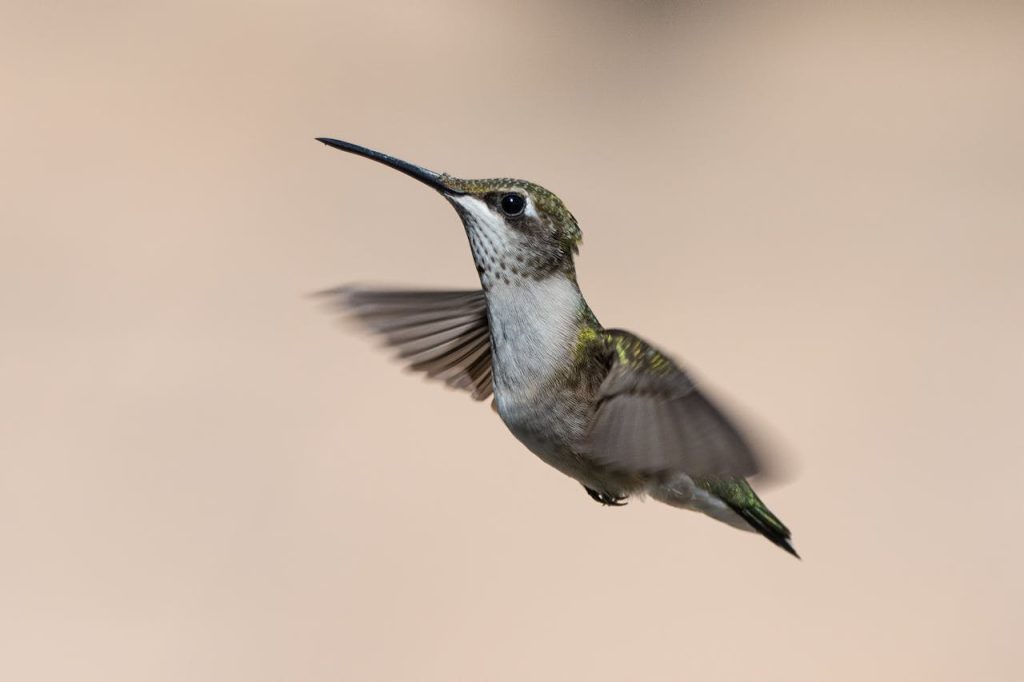
Not every winter hummingbird is off course, and the map matters more than guesswork. Cornell Lab’s FeederWatch notes that each species has its own strategy: some are obligate migrants that leave reliably, others are partial migrants whose movements vary by population, and some individuals stay.
On the Pacific coast or in parts of the Gulf, that can be normal, not an emergency. When a feeder appears out of worry, it can also lead to inconsistent care, quick DIY heating, or nectar left out through a freeze. Checking the forecast and sticking to simple, safe steps, day after day, matters more than the drama of the moment.
Nectar-Only Thinking Misses Protein
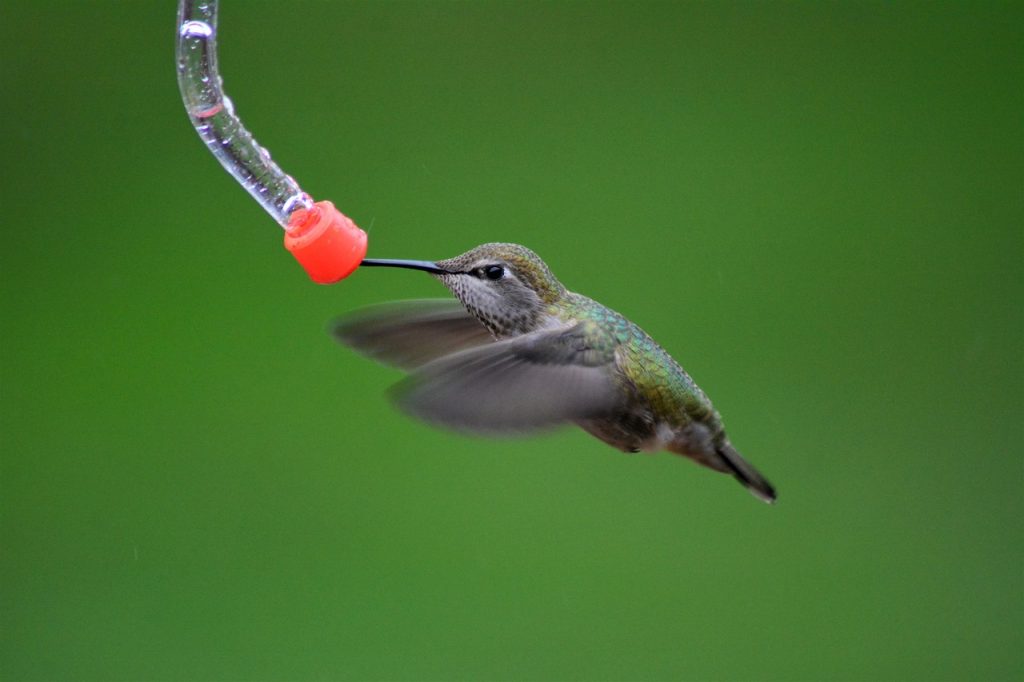
Sugar water looks like a complete answer, but experts treat it as one piece of a winter diet. Rebekah Rylander of American Bird Conservancy’s Rio Grande Joint Venture notes that hummingbirds also need protein, which they get by catching tiny insects or picking them off plants. In a typical season, those natural sources may be enough on many days.
A feeder can add a nectar boost, but it is not the only thing keeping a bird going. It backfires when it replaces habitat thinking, since cold snaps can knock down insects and flowers together. Keeping pesticides low and planting winter blooms supports what sugar water cannot.
Feeding Can Nudge Range Shifts

In places where hummingbirds have historically overwintered, experts say feeding is often not necessary. Still, Cornell Lab’s FeederWatch points to research suggesting supplemental food can support range expansions. Anna’s Hummingbirds, for example, have expanded northward, and feeders plus ornamental plantings are thought to help them persist through colder winters.
That can backfire when those extra calories become part of the routine, then vanish during the hardest stretch. A missed refill, a frozen feeder, or a sudden multi-day freeze can turn a familiar stop into an empty one. Consistency matters more than sheer sweetness.
DIY Heater Hacks Create Real Risks
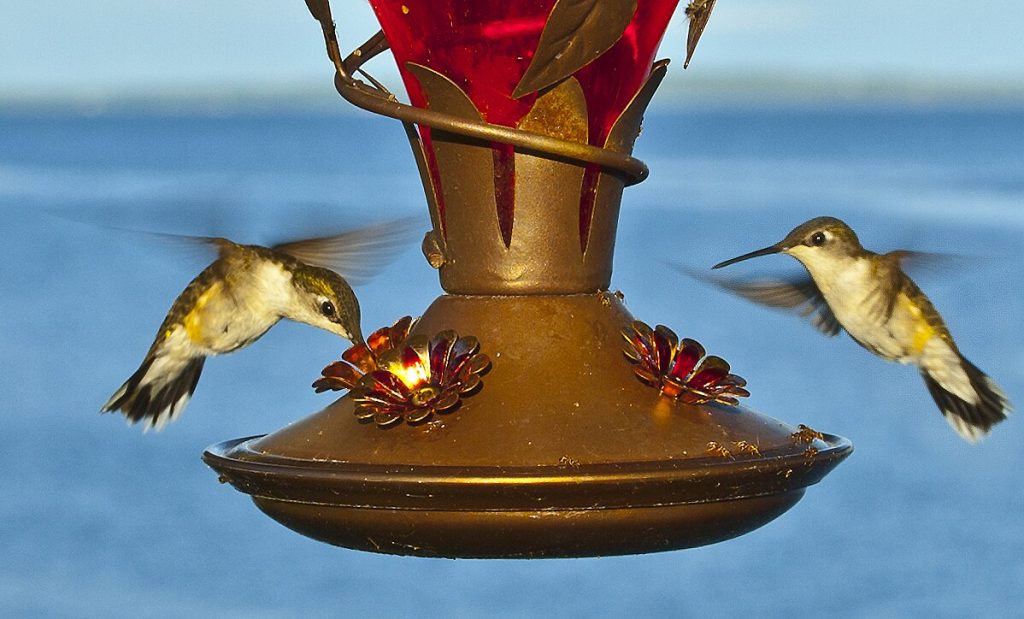
When nectar threatens to freeze, homemade heating can feel like the practical fix. Rylander says DIY options such as wrapping a feeder with incandescent Christmas lights are not recommended, because a bird could contact electricity or get tangled in cords. Modern LED strands also throw little heat, so the risk can arrive without the benefit.
The backfire is usually quiet and fast, happening before dawn when refueling matters most. Loose wires, hooks, and tape can turn a simple feeding stop into a hazard, especially in wind. If freezing is common, a purpose-built heated feeder or safe rotation of warm feeders is the better path.
Torpor Can Look Like Trouble
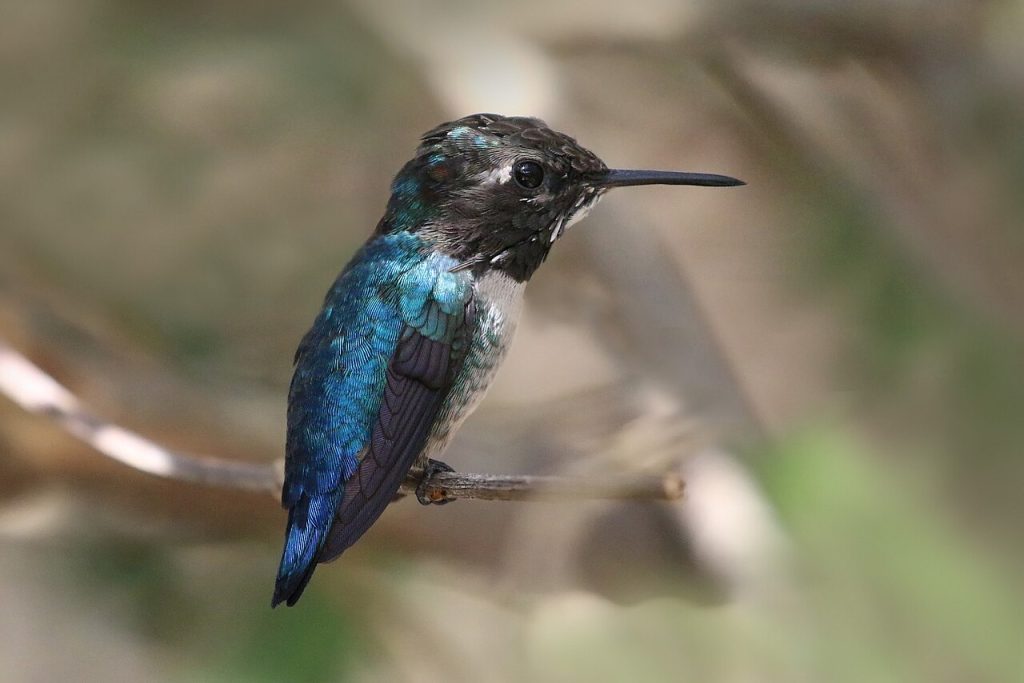
A cold morning can produce a scene that looks alarming: a hummingbird perched, still, and unresponsive. Rylander notes that many hummingbirds survive light freezes by entering torpor, a mini-hibernation state. FeederWatch’s Olivia V. Sanderfoot explains that in torpor they lower body temperature and metabolic rate to conserve energy.
Because torpor can look like a bird has gone lifeless, well-meant handling can backfire. Disturbing the perch, moving the bird, or crowding it adds stress during the very hours it is trying to warm up. The safer move is patience, then fresh nectar offered early once the day begins to lift.
Frozen Nectar Turns Help Into Empty Hours
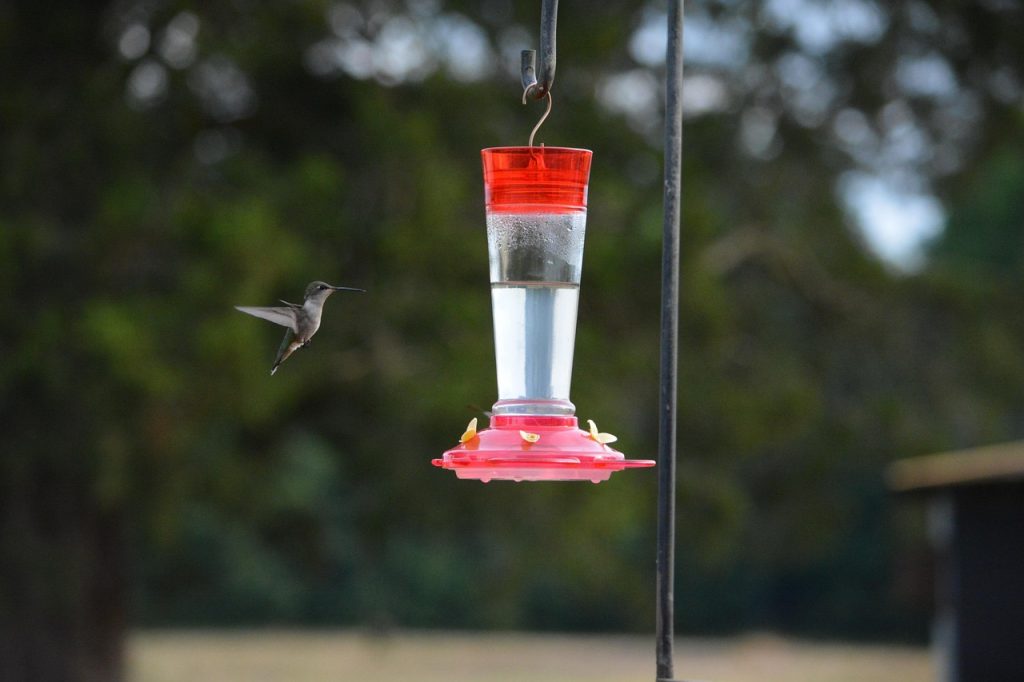
A feeder left outside through an overnight freeze can look fine from a window, yet offer nothing at dawn. Sanderfoot notes that if temperatures are forecast to drop, bringing the feeder indoors for the night is fine. Putting out sugar water the next morning can help a hummingbird refuel as it comes out of torpor and warms.
Rylander recommends rotating feeders during harsh cold spells, keeping a warm one indoors and swapping it out once the outdoor nectar begins to ice. The backfire comes when a single feeder turns solid for hours, right when the bird’s energy needs spike. Winter help is about timing, not just presence.
Heater Confidence Can Replace Vigilance
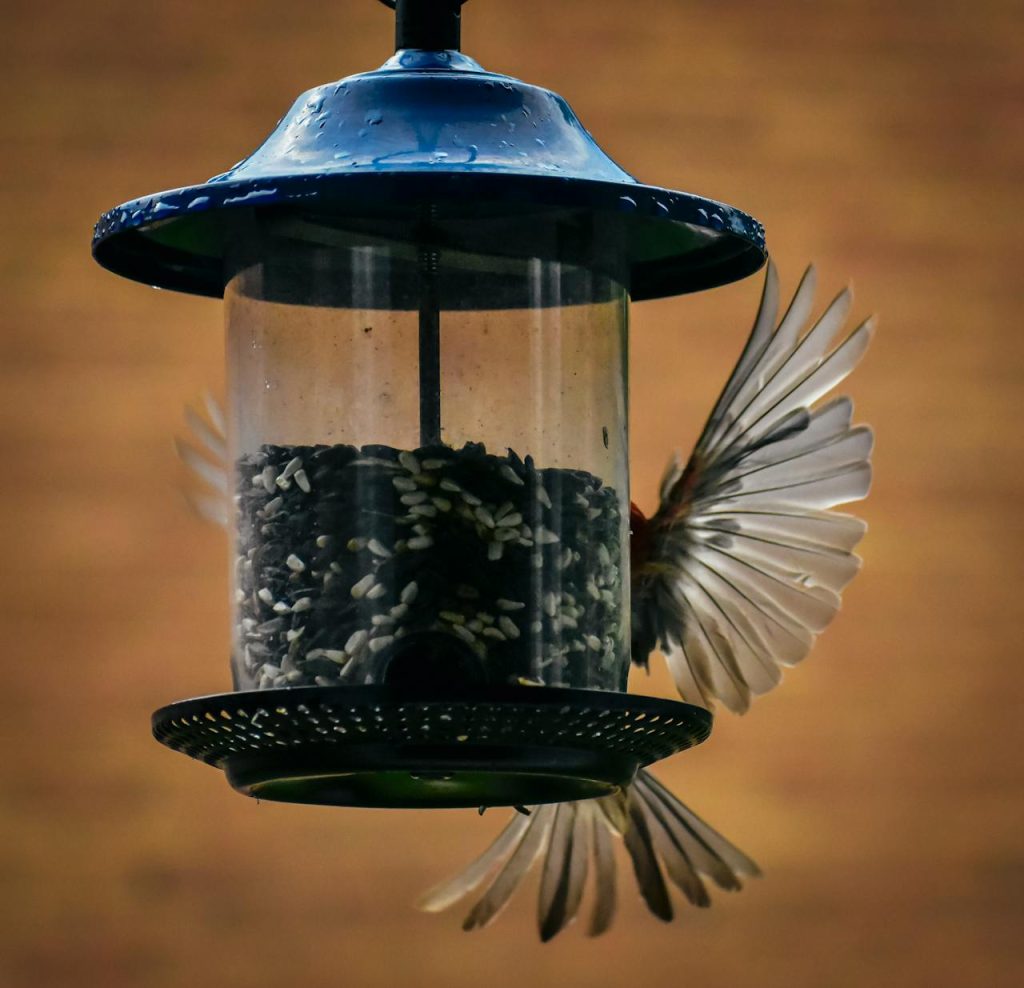
Heated feeders can prevent icing, but they can also create a false sense that the job is done. FeederWatch notes that hummingbirds are adapted to handle cold by using torpor, so a heater is not always required for survival. What matters is the basics: fresh nectar, safe placement, and steady maintenance through every cold snap.
The backfire shows up when heater confidence replaces attention to cleanliness and timing. Nectar can spoil, parts can leak, and a feeder can still run dry on a frigid morning. In winter, the most helpful setup is the one that is checked often, even daily, cleaned regularly, and adjusted to the forecast.